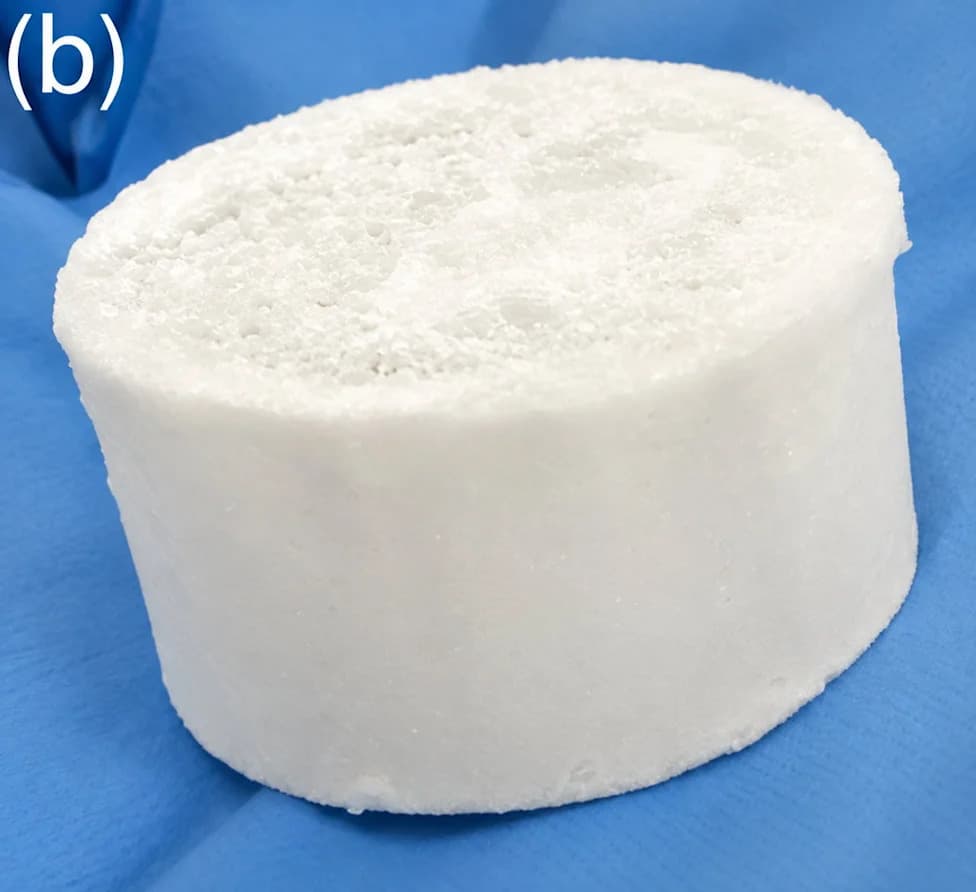
McGill researchers combined biological strategies from mussels and mistletoe to design protein–cellulose composites that self‑assemble via phase separation. The bioinspired scaffolds deliver strength, flexibility and adhesion while avoiding high‑temperature, energy‑intensive fabrication. Made from biorenewable feedstocks like wood‑pulp cellulose and recombinant proteins, the approach points to greener composites though further work on scalability and durability is required.
Mussels and Mistletoe Inspire a Greener Blueprint for High‑Performance Materials
Researchers at McGill University have combined strategies used by mussels and mistletoe to design protein–cellulose composites that self‑assemble into strong, flexible and adhesive materials without energy‑intensive processing.
Nature as a Design Guide
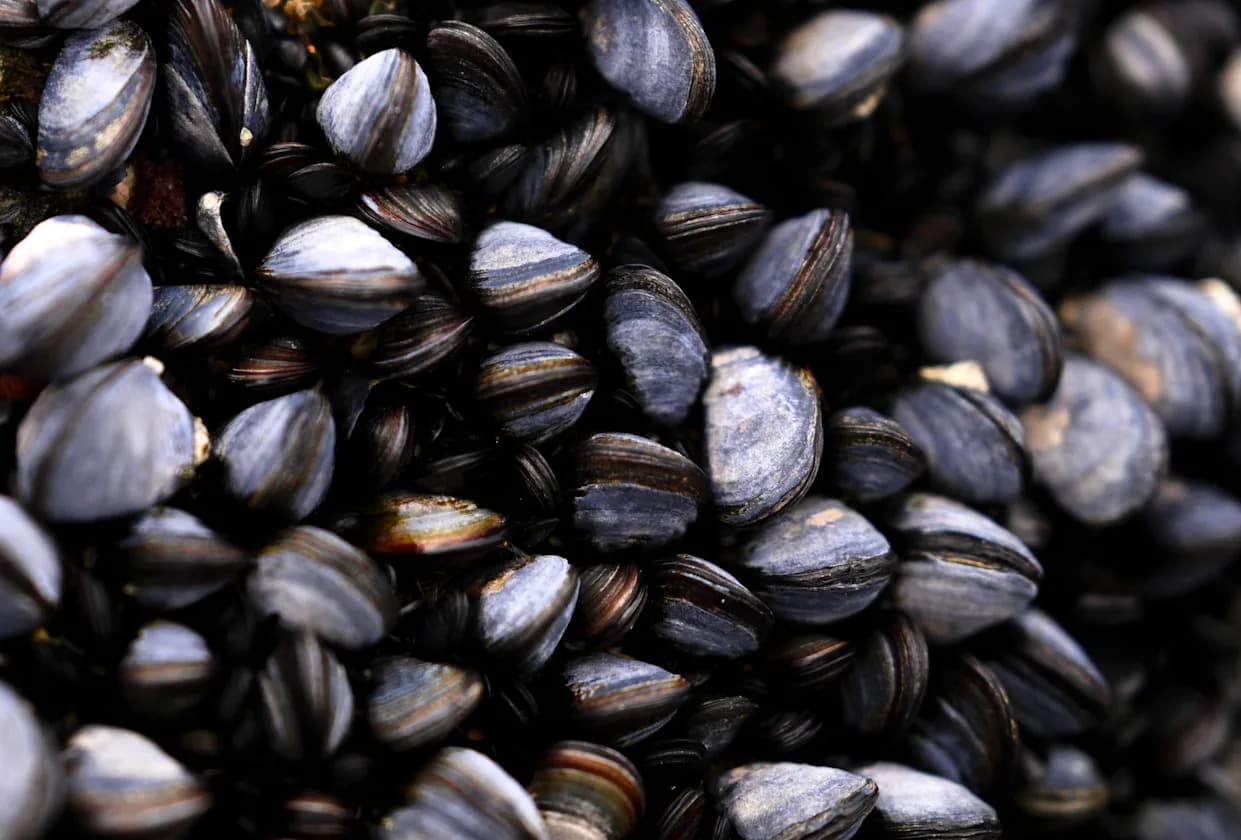
Mussels create robust underwater adhesives and fibers by concentrating adhesive proteins into dense droplets, while mistletoe builds rigid, fibrous networks using cellulose nanocrystals. The McGill team translated these biological design principles into a synthetic approach that merges dense protein domains with stiff cellulose building blocks.
Self‑Assembly Through Phase Separation
The researchers used phase separation — a process in which different components spontaneously segregate and organize — to produce hierarchical protein–cellulose scaffolds. These scaffolds act as supportive frameworks that can organize other components and give the composite desirable mechanical properties without high temperatures or heavy machining.
“Nature is able to build materials that are both strong and functional using very simple components and under mild conditions,” said Matthew Harrington, Professor of Chemistry at McGill and senior author of the study. “We wanted to understand those design principles and apply them to create more sustainable materials.”
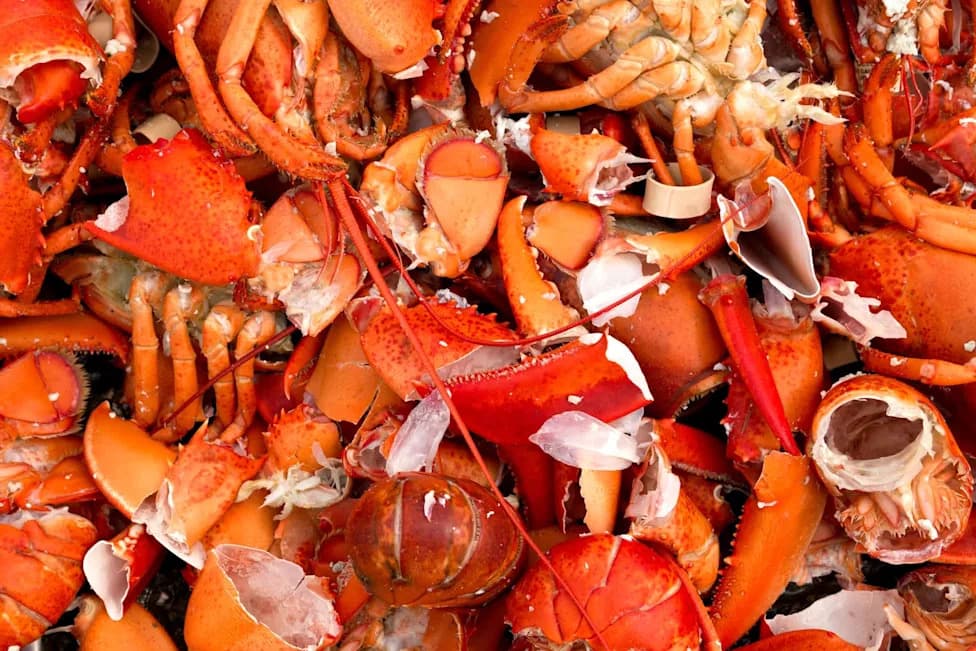
The resulting materials combine tensile strength, flexibility and adhesion while relying on biorenewable feedstocks — for example, wood‑pulp‑derived cellulose and recombinant proteins — that could reduce the environmental footprint of conventional composites.
Potential Uses and Next Steps
These protein–cellulose scaffolds may be useful in lightweight structural components, adhesives and other applications that demand durability with lower embodied energy. The authors note further work is needed to evaluate scalability, long‑term durability, process integration and cost before industrial adoption.
Funding: The study received support from the Natural Sciences and Engineering Research Council of Canada, the New Frontiers in Research Fund and the Fonds de recherche du Québec.
Help us improve.