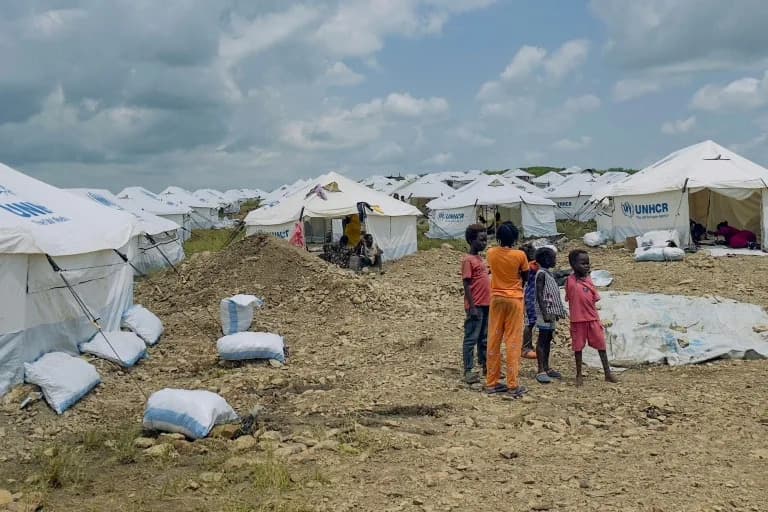
UNHCR says nearly 900 Rohingya were reported missing or dead at sea in 2025, making it the deadliest year on record for crossings through the Andaman Sea and Bay of Bengal. More than one in seven of an estimated 6,500 who attempted the route in 2025 were reported missing or dead, and crossings have continued into 2026 with over 2,800 departures through mid-April. UNHCR warns that funding shortfalls and violent conditions in Myanmar and overcrowded camps in Bangladesh are driving desperate maritime journeys; its $200 million appeal is only 32% funded.
Nearly 900 Rohingya Missing or Dead at Sea in 2025 — UNHCR Calls It Deadliest Year on Record
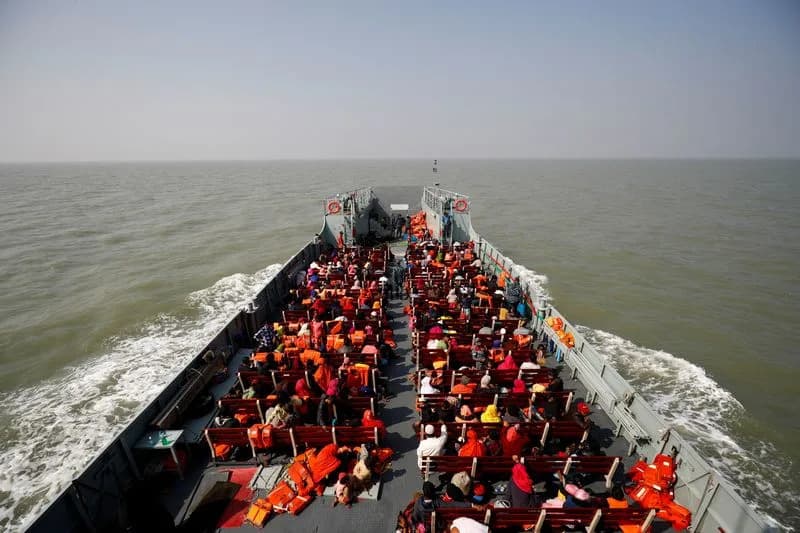
FILE PHOTO: A view of a navy vessel in the Bay of Bengal, carrying Rohingya refugees to the Bhasan Char island in Noakhali district, Bangladesh, December 29, 2020. REUTERS/Mohammad Ponir Hossain/File Photo
Geneva — The U.N. refugee agency said on April 17 that nearly 900 Rohingya refugees were reported missing or dead in the Andaman Sea and the Bay of Bengal during 2025, making it the deadliest year on record for that migration route.
Key figures and trends
UNHCR spokesperson Babar Baloch told reporters in Geneva that more than one in seven of an estimated 6,500 Rohingya who attempted the sea crossing in 2025 were reported missing or dead — the highest mortality rate recorded for refugee and migrant sea journeys worldwide. The perilous crossings have continued into 2026: as of April 13, more than 2,800 Rohingya had embarked on similar voyages.
“No one would put their family on a risky boat, knowing that the chances of survival are really low, if the sense of desperation is not there,” Baloch said, describing the driving force behind the sea departures.
Fatal maritime journeys have become a recurring element of the prolonged humanitarian crisis tied to conflict in Myanmar. Members of the Rohingya Muslim minority continue to risk their lives on overcrowded, unseaworthy vessels while seeking safety and better opportunities in countries such as Malaysia, Indonesia and Thailand.
Immediate triggers
Departures are driven by ongoing violence in Myanmar and the dire conditions inside crowded refugee camps in Bangladesh. This week, U.N. refugee and migration agencies reported roughly 250 people missing after a boat that left Teknaf in southern Bangladesh, carrying Rohingya refugees and Bangladeshi nationals, capsized in the Andaman Sea.
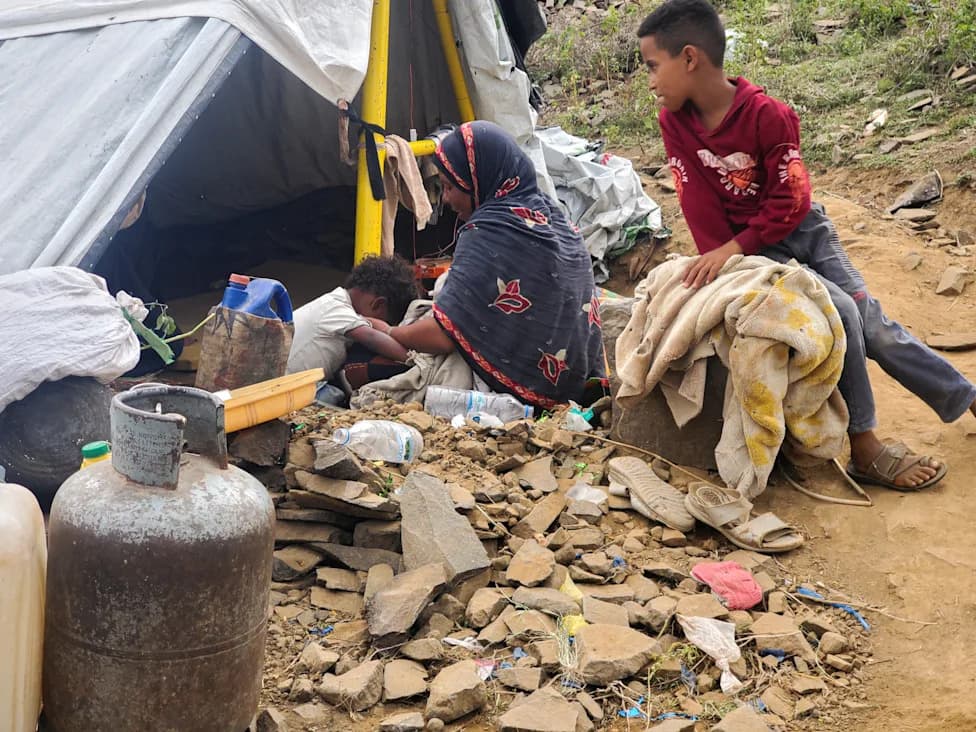
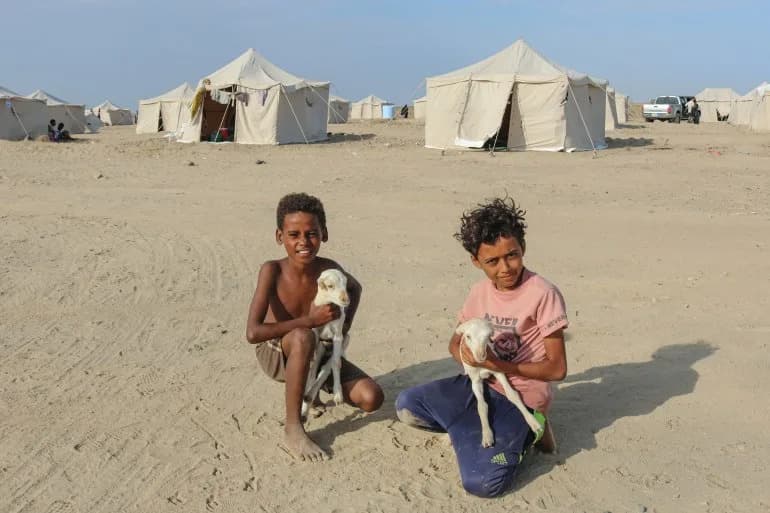
Global donor funding cuts are reducing humanitarian support and — according to UNHCR — increasing desperation among some of the roughly one million Rohingya refugees currently in Bangladesh. UNHCR has appealed for $200 million to support people in Cox's Bazar and on the island of Bhasan Char, who depend on aid for food, water, shelter and health services; the appeal is currently only 32% funded.
Regional displacement
Across the region, more than 1.3 million Rohingya refugees and asylum-seekers remain displaced, including about 1.2 million in Bangladesh, UNHCR said. In recent years, more than half of those attempting sea journeys have been women and children, underscoring the acute protection risks involved.
Reporting by Olivia Le Poidevin; editing by Friederike Heine, Aidan Lewis and Philippa Fletcher.
Help us improve.