NASA's SPHEREx mission has produced the first large-scale maps showing vast, continuous stretches of interstellar ice—likened to "glaciers"—spanning hundreds of light-years. By surveying the full sky in 102 infrared bands, SPHEREx detected water, carbon dioxide and carbon monoxide frozen on dust grains inside molecular clouds where stars and planets form. These icy reservoirs may be incorporated into newborn systems and could help explain the origin of planetary water. SPHEREx has completed its first full-sky pass and more data will refine how these ices influence star and planet formation.
NASA Maps Enormous Interstellar 'Glaciers' That May Seed Planetary Water
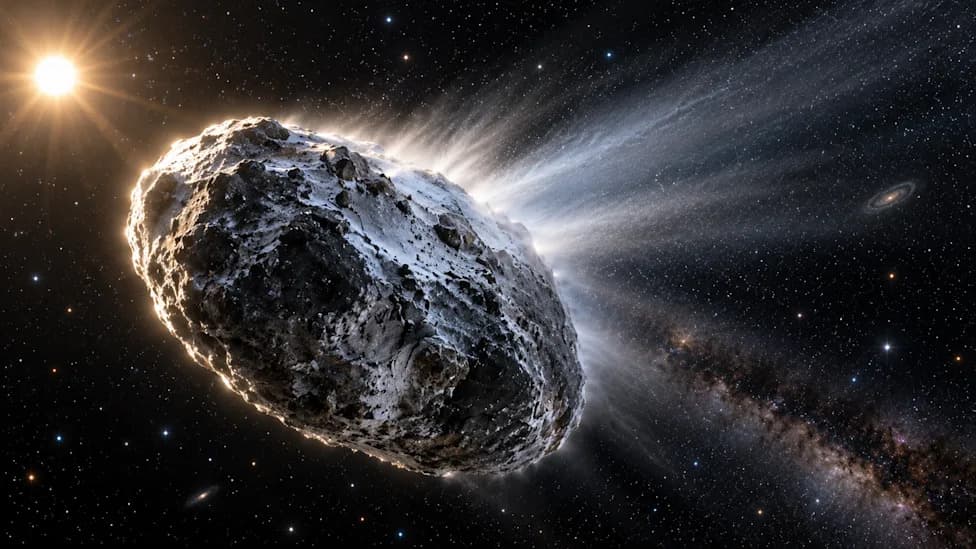
Massive interstellar glaciers are hiding in space and they’re way bigger than anything on Earth ©Image Credit: Unsplash / Bhautik Patel)
Imagine glaciers the size of star systems drifting through space—frozen reservoirs stretching across hundreds of light-years. That is the striking picture emerging from NASA's new maps produced by the SPHEREx mission.
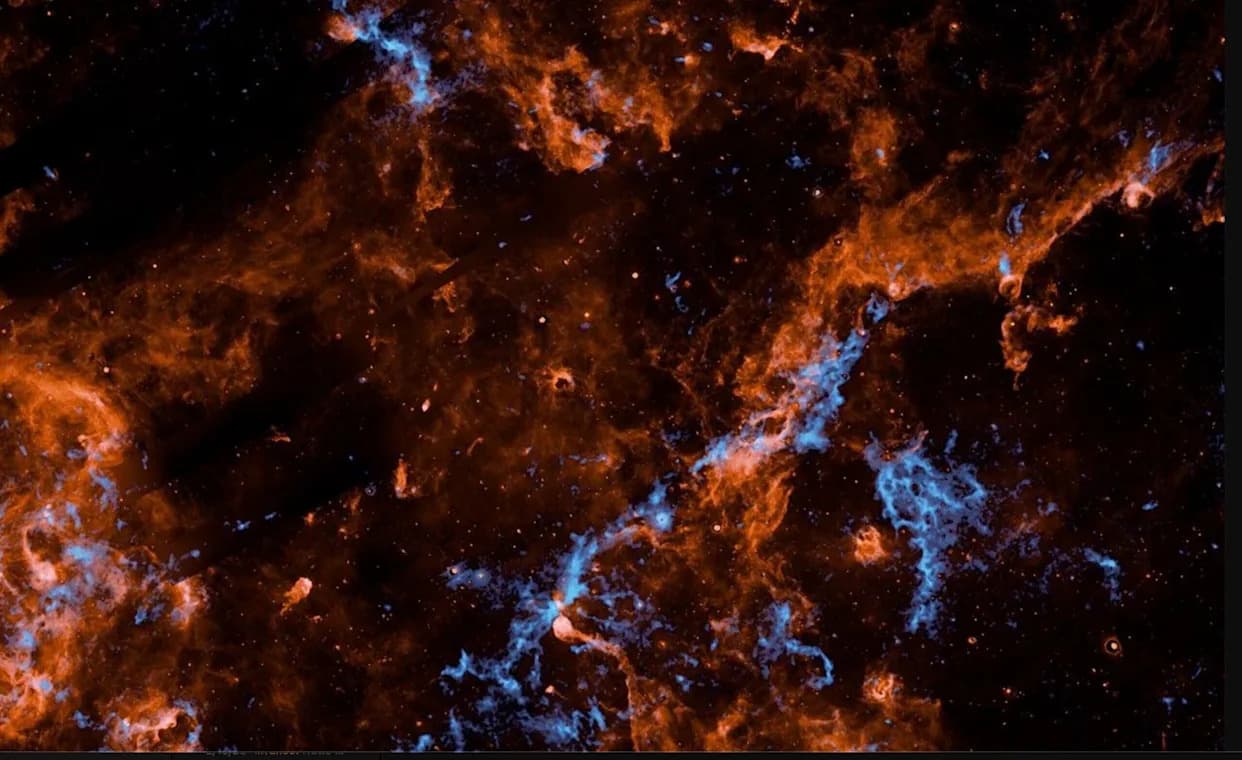
Using a full-sky infrared survey in 102 spectral bands, SPHEREx detects the chemical fingerprints of ices that ordinary telescopes cannot see. Rather than isolated pockets, the telescope has revealed vast, continuous sheets of frozen material embedded in massive molecular clouds—the cold, dense regions where stars and planets form.
“Interstellar glaciers” is a metaphor scientists use to describe these enormous frozen regions: dust grains coated with layers of water, carbon dioxide, carbon monoxide and other ices that collectively form ice-rich reservoirs across space.
Zoom in and the picture is microscopic: tiny dust grains—essentially cosmic soot—carry layered mantles of frozen molecules. Zoom back out and those coated grains add up to structures that can span hundreds of light-years. While these features do not erode landscapes like terrestrial glaciers, they play a crucial role in supplying volatile materials to emerging star systems.
Why This Matters
Researchers propose that these widespread ices serve as major reservoirs of water and other volatiles. As molecular clouds collapse to form stars and planets, icy grains can be incorporated into comets, planetesimals and planets, potentially delivering water and prebiotic molecules to young worlds. In other words, the water in Earth’s oceans and the ices on worlds such as Mars or Europa may trace their origins back to cold, dusty clouds like these.
Previous observatories—including the Spitzer Space Telescope and the James Webb Space Telescope—have detected ice signatures in specific locations. SPHEREx is different because it maps how that ice is distributed across entire regions of the sky, providing a large-scale census of interstellar ices for the first time.
SPHEREx has completed its first full-sky pass, and scientists expect more data and refined maps to follow. Those upcoming observations will help researchers better quantify how much ice is available in star-forming regions and how this material influences the formation of planets and the potential for life.
Bottom line: SPHEREx has revealed immense, ice-rich structures inside molecular clouds—metaphorical "interstellar glaciers"—that could be key reservoirs supplying the raw materials for planets and possibly life.
Help us improve.