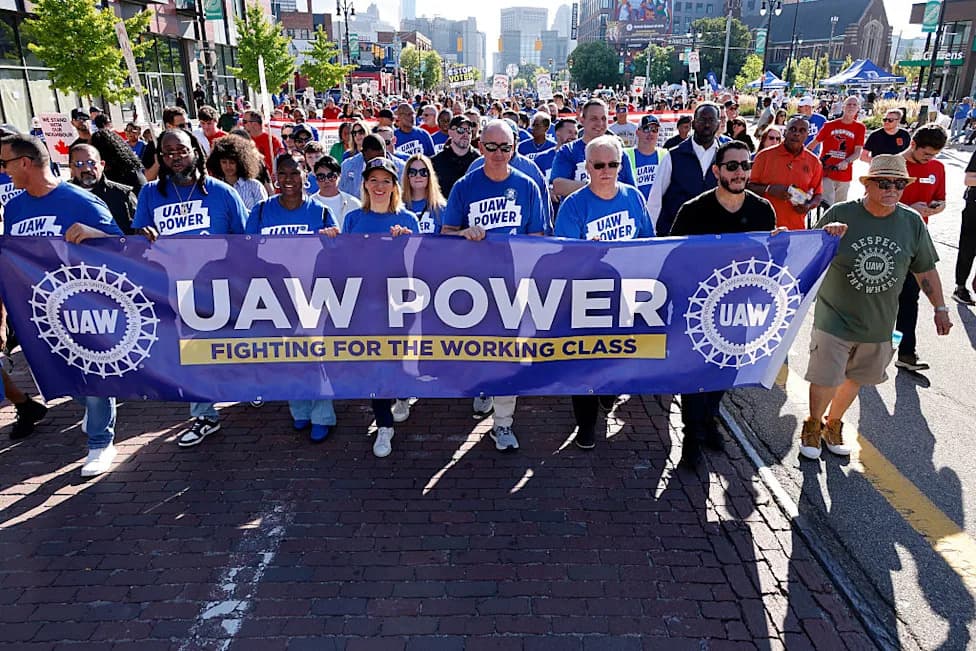
Blue Power by Stuart Schrader traces how police organizations evolved from informal clubs into powerful political actors, using unions, arbitration, and public campaigns to shield officers from oversight. Schrader shows how binding arbitration, political lobbying, and work stoppages amplified police influence from the 1960s through the Black Lives Matter era. The book argues that the combination of political leverage and the unique authority to use force gives police unions outsized sway in local and national politics.
Blue Power: How Police Unions Built Political Clout — And What That Means for Democracy
'Blue Power' and the Rise of Police Union Politics
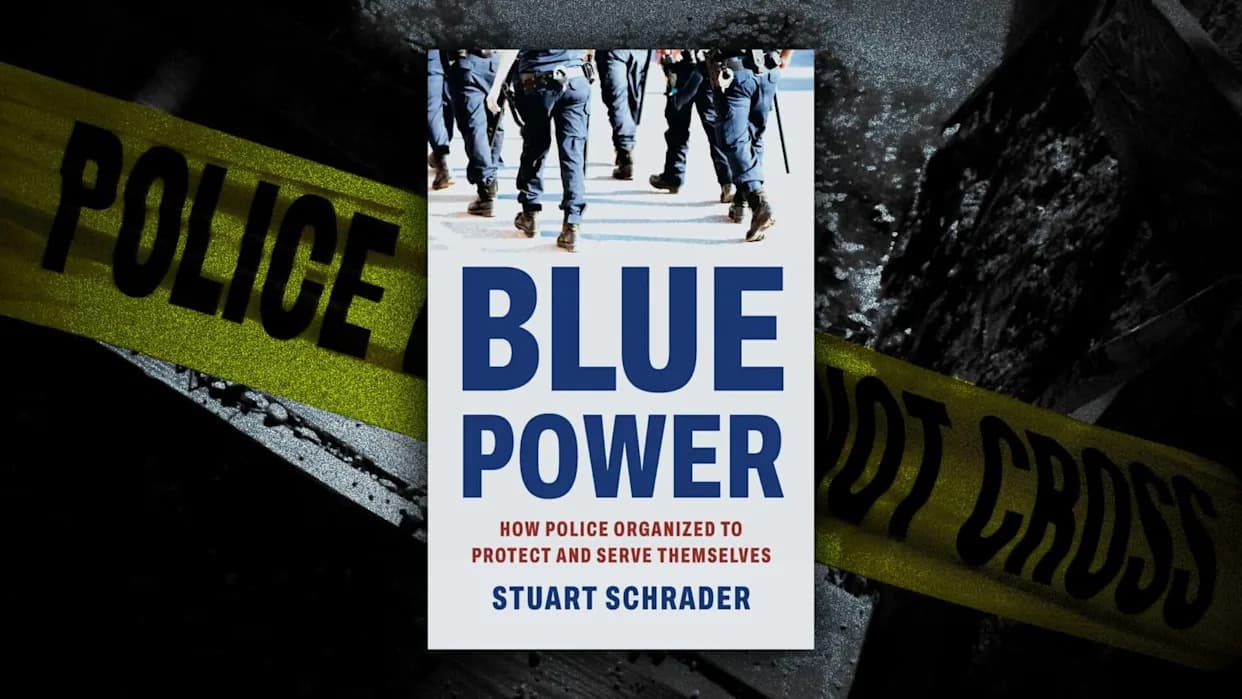
Blue Power: How Police Organized to Protect and Serve Themselves, by Stuart Schrader. Basic Books, 432 pages, $34.
Stuart Schrader’s Blue Power traces the rise of police union politics in America, showing how rank-and-file officers moved from informal fraternal groups to powerful bargaining units that reshaped local and national policy. Schrader, an associate professor of history at Johns Hopkins University, follows this development from the 1960s through the 1994 crime bill and into the Black Lives Matter era.
Origins: From Professionalism to Political Organizing
In 1969 Carl Parsell, then president of the Detroit Police Officers Association, asked, "Everybody else can indulge in politics—every black group, every political party group, every church group. Why are police officers so different?" That question anchors Schrader’s study. After midcentury reforms detached police departments from machine politics and promoted a professional model, officers found themselves responsible for public safety but without reliable internal protections. They turned to collective organizing to protect pay, promotions, and working conditions.
Tactics and Political Growth
Police unions learned to translate technical bargaining issues into public safety narratives. They combined traditional labor tools—collective bargaining, political lobbying, litigation—with uniquely coercive tactics such as sick-outs, ticket slowdowns, and other forms of partial noncompliance. Schrader documents episodes including a 1966 New York petition drive that blocked a civilian review board (conservative columnist William F. Buckley Jr. delivered 40,000 signatures), a 1967 Detroit ticket slowdown that cost the city an estimated $583,000, and a controversial 1992 New York City protest in which thousands of officers surrounded City Hall to oppose civilian oversight.
Operational Power Meets Political Power
Schrader’s key insight is the duality of police influence: political power—through unions, contracts, and lobbying—paired with "operational power," the unique discretion officers hold to use force. This combination lets policing shape policy in ways other public-sector unions cannot. Binding arbitration, strong contract protections, and generous benefits have made it difficult to discipline or dismiss officers even after serious misconduct, contributing to large municipal payouts for settlements in cities such as New York, Chicago, and Los Angeles.
Cultural Conflicts and Consequences
The book highlights cultural skirmishes too: from the Houston Police Officers' Union suing punk band AK-47 in 1980 over the song "The Badge Means You Suck" to episodes of "blue flu" and retaliatory policing. Schrader also explores the tensions this creates for the broader labor movement, since politically conservative police unions often sit uncomfortably alongside progressive public-sector unions.
Costs and Political Impact
Beyond reputational harm, policing’s political rise has fiscal consequences. Contracts, pensions, and arbitration procedures have burdened municipal budgets and limited elected officials’ ability to hold departments accountable. Schrader argues that while reasonable compensation should be available to all public employees, reforms must prevent policing from dominating civic life through disproportionate political and operational clout.
Conclusion
Blue Power is a thorough and engaging history of how police organizing reshaped American governance. It is essential reading for anyone seeking to understand modern policing, municipal power, and the obstacles to meaningful civilian oversight.
Help us improve.