Summary: A rushed Special Intensive Revision (SIR) of West Bengal's electoral rolls removed more than nine million names — nearly 12% of registered voters — ahead of assembly elections on April 23 and April 29. Independent analyses and community leaders say Muslim voters, especially in key districts, were disproportionately affected, while authorities insist the exercise targeted duplicates and ineligible electors. Legal experts warn women and poorer residents are at higher risk of disenfranchisement due to inconsistent documentation and transliteration errors. Tribunals face a large backlog, and the Supreme Court allowed only supplementary lists, barring those with pending tribunal cases from voting in April.
Millions Removed From West Bengal Voter Rolls: Critics Say Muslims Disproportionately Affected Ahead Of Crucial Polls
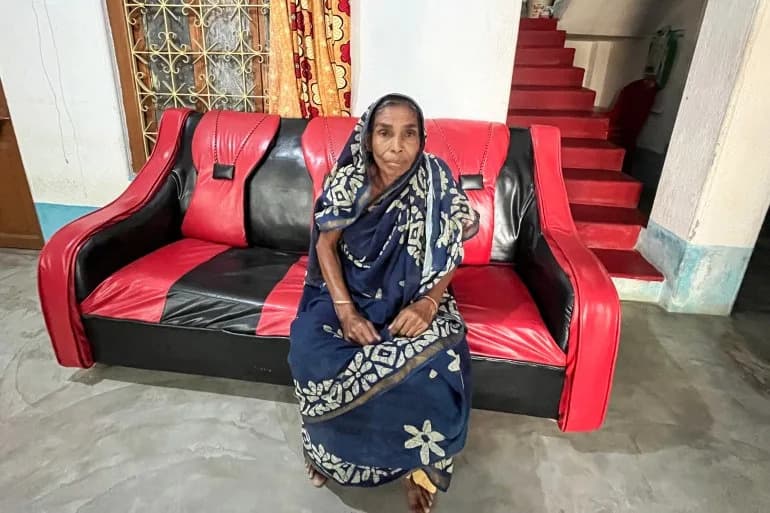
Nabijan Mondal at her home in Gobindapur village, North 24 Parganas, West Bengal [Ritwika Mitra/Al Jazeera]
Nabijan Mondal, 73, who has voted in every national, state and local election for five decades, discovered this year that her name had been removed from West Bengal's voter rolls as the state prepared for two-phase assembly elections on April 23 and April 29, with counting on May 4.
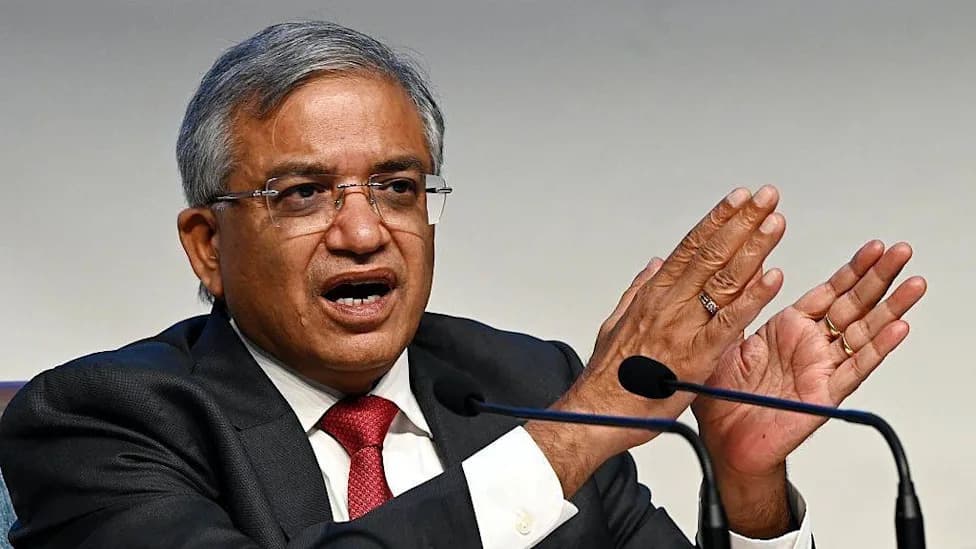
The Election Commission of India (ECI) carried out a Special Intensive Revision (SIR) of electoral rolls this month. The exercise resulted in the removal of more than nine million names — nearly 12% of West Bengal's roughly 76 million registered voters. Of those removed, almost six million were placed in ASDD categories (Absent/Shifted/Deceased/Duplicate), while about three million remain excluded pending tribunal hearings.
Local residents say many removals stem from administrative issues: inconsistent use of nicknames and official names across documents, transliteration and spelling differences (especially with Urdu or Arabic-origin names), changed surnames after marriage, and missing proofs of continuous residence. Nabijan, for example, appears as 'Nabijan' on her voter card but as 'Nabirul' on Aadhaar and ration cards — a discrepancy that her family says led to her exclusion.
Who Is Affected?
Independent researchers, community leaders and opposition parties say the SIR deletions have disproportionately affected Muslim voters, particularly in districts where the community is numerous and could influence electoral outcomes. Analysts point to large deletion totals in Murshidabad (around 460,000), North 24 Parganas (about 330,000) and Malda (about 240,000).
The SABAR Institute's constituency-level analysis found striking disparities in two high-profile seats: in Nandigram — where Muslims are roughly 25% of the population — more than 95% of deleted names were Muslim; in Bhabanipur — about 20% Muslim — Muslims represented roughly 40% of deletions. SABAR says the ECI initially placed over five million people in ASDD categories, then applied AI tools that flagged 'logical discrepancies' tied to transliteration and name-format issues, producing disproportionate deletions among Muslim voters.
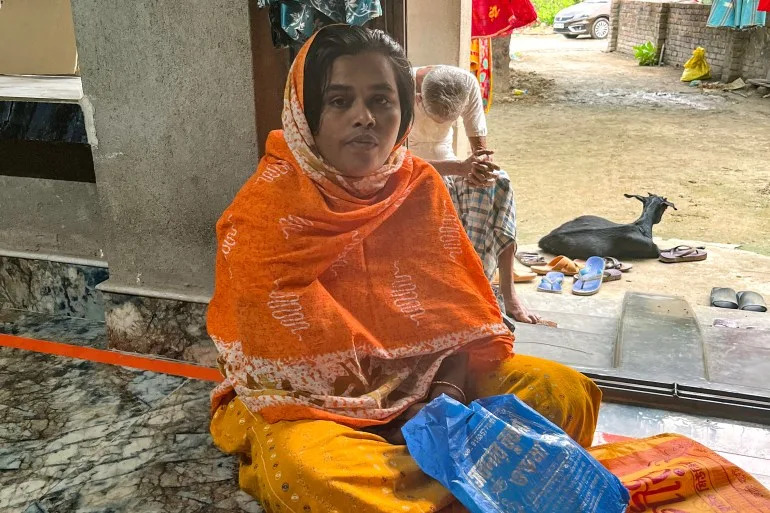
Jesmina Khatun at her home in Gobindapur village, North 24 Parganas, West Bengal [Ritwika Mitra/Al Jazeera]
Official Rationale And Political Claims
The ECI says the SIR is intended to remove duplicate and deceased voters and to add legitimately omitted electors. The ruling Bharatiya Janata Party (BJP) frames the exercise as necessary to identify 'illegal infiltrators,' pointing to West Bengal's long, porous border with Bangladesh. BJP leaders have also alleged demographic changes in some border areas.
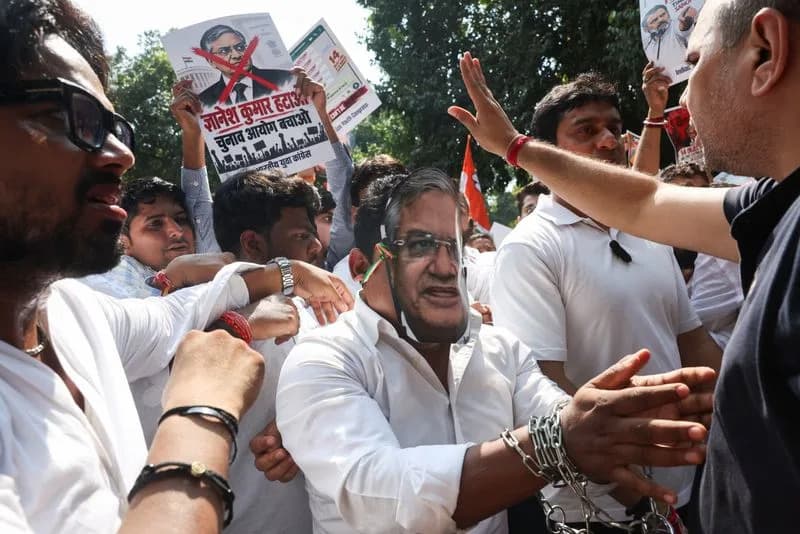
Opposition parties — most prominently Mamata Banerjee's Trinamool Congress (TMC) — and several civil society groups accuse the ECI of conducting a partisan or targeted purge aimed at removing voters unlikely to support the BJP, with Muslims seen as particularly vulnerable. Banerjee challenged the process in the Supreme Court, which said it could not allow people with pending tribunal cases to vote in April but permitted the ECI to publish supplementary lists before polling.
Disproportionate Impact On Women And The Poor
Legal scholars and election experts warn that women and poorer citizens face greater risk of disenfranchisement because they more often lack consistent documentation. In patrilocal societies, women frequently change residence after marriage and may be recorded under different names or nicknames across documents. Psephologist Yogendra Yadav and others say the SIR places an 'excessive burden' on women, who must often gather papers from their parental homes to prove identity or continuity.
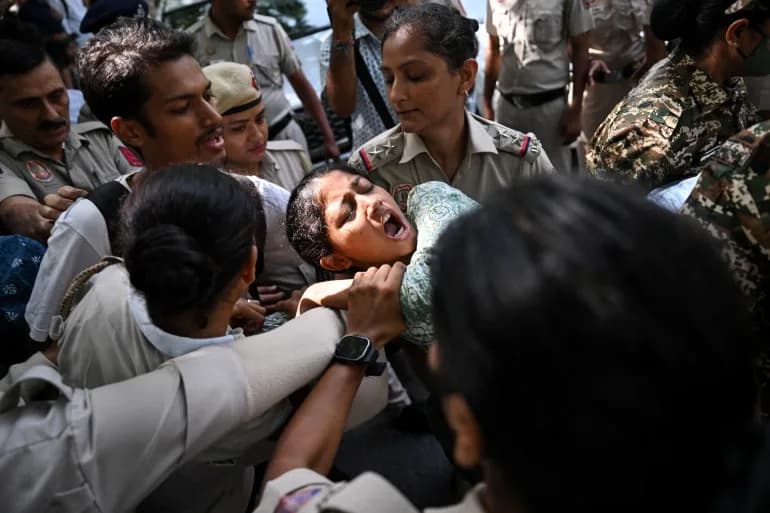
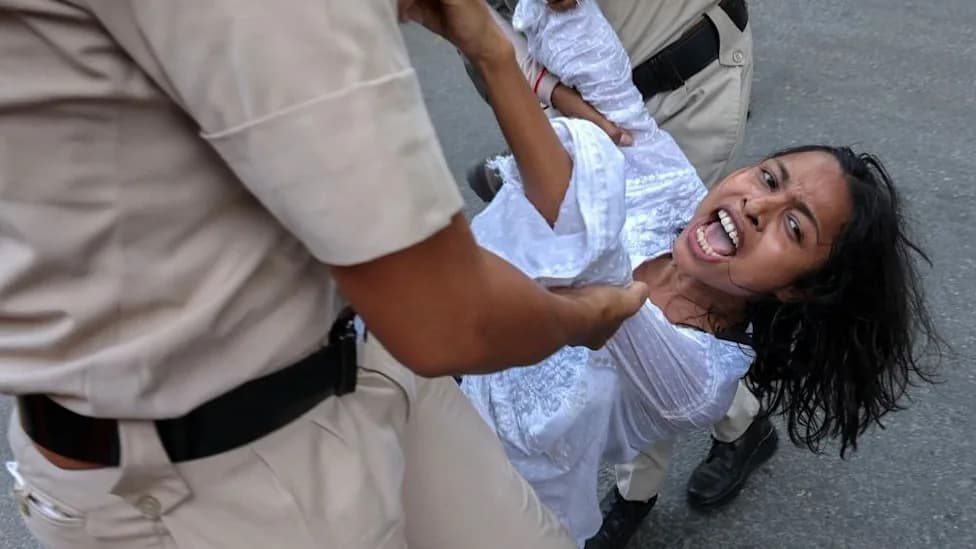
Community groups have set up helplines and legal assistance to help people appeal deletions at tribunals, but observers say tribunals will struggle to process the large backlog before polling. Many disenfranchised voters also report attending SIR hearings and submitting documents without success, increasing anxiety and concern about losing the ability to vote.
Voices From The Ground
'I am in deep pain. Who will I approach? I never thought my name would be deleted from the list,' said Sohidul Islam, 49, of Murshidabad, who previously voted but now finds himself excluded. 'If you dig this land, you can find our umbilical cords here. I am a Muslim man... We will vote here, and we will die here.'
Mohammad Bakibillah Molla of the All India Imam Association said his organisation has established helplines across the state to assist people with tribunal appeals. Independent researchers called for greater transparency, a less hurried revision process and better safeguards to protect eligible voters, particularly marginalized groups.
What Comes Next?
The immediate questions are whether the ECI will publish supplementary voter lists, how many tribunal appeals can be processed before polling, and whether the courts or election authorities will take further remedial steps to prevent large-scale disenfranchisement. The controversy has intensified political tensions ahead of the polls and raised broader concerns about administrative practices, technology use in roll revisions, and the protection of voting rights for vulnerable populations.
Help us improve.