Greek archaeologists have identified a Hellenistic ceremonial complex on Ithaca as an Odysseion — a sanctuary for the Homeric hero Odysseus. Excavations recovered inscribed tiles reading "Odysseos" and "the School of Homer," plus ceramics and votive offerings. The votive record spans from the Mycenaean era (c.1600–1100 B.C.) to the Hellenistic period, indicating continuous cultic reverence for over a millennium. While the finds do not prove Odysseus was a historical figure, they highlight the deep influence of Homeric myth on ancient Greek religious and civic life.
Odysseus’ Sanctuary Unearthed on Ithaca — Greek Ministry Calls It 'Most Significant' Find in Years
Greek Ministry of Culture
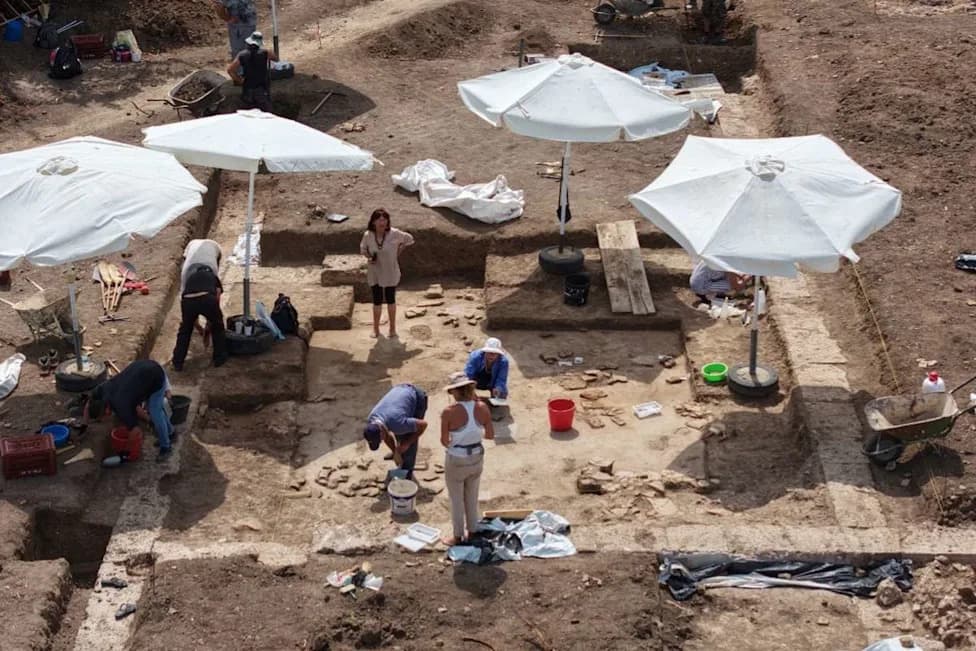
Greek archaeologists working on the Ionian island of Ithaca have uncovered a Hellenistic-era ceremonial complex identified as an Odysseion — a sanctuary or hero shrine dedicated to the legendary King Odysseus. Officials have described the excavation as one of the country’s "most significant" archaeological discoveries in recent years.
What Was Found
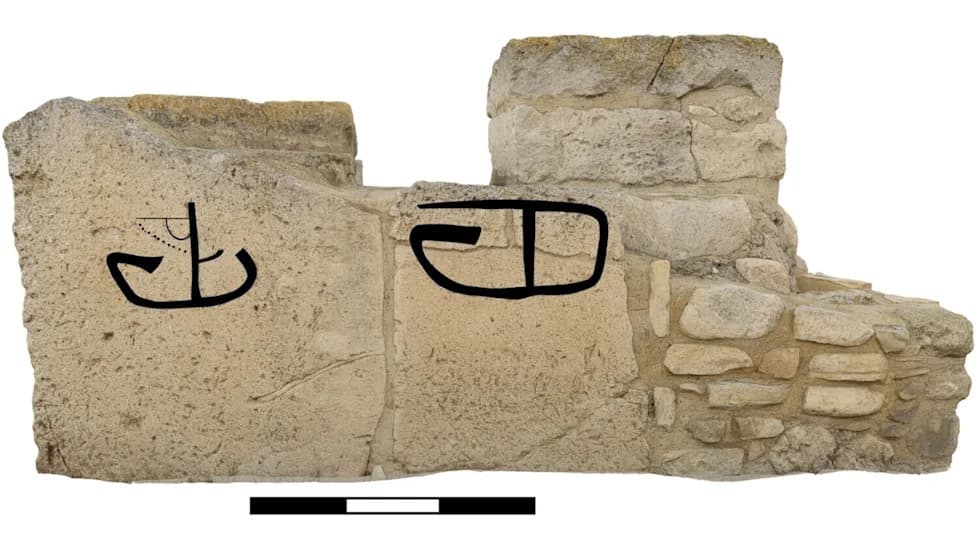
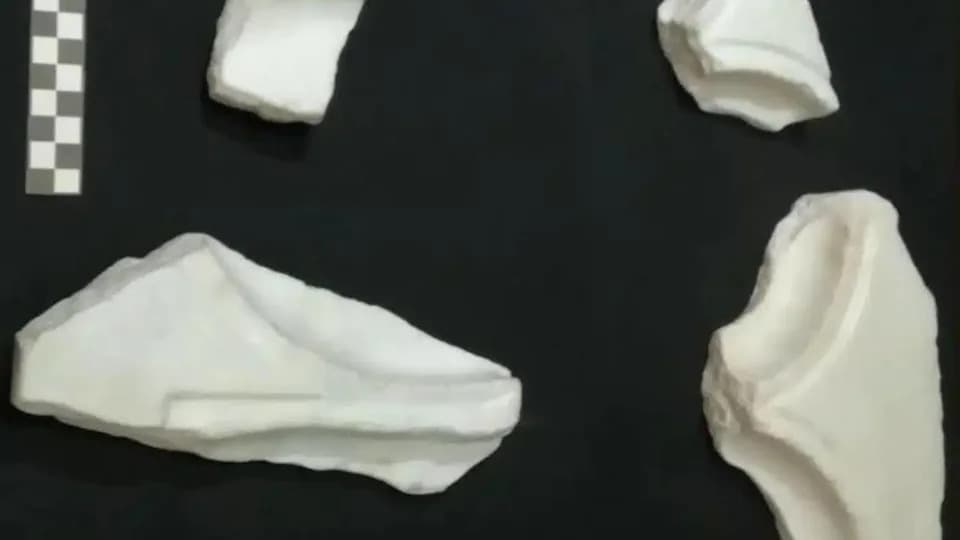
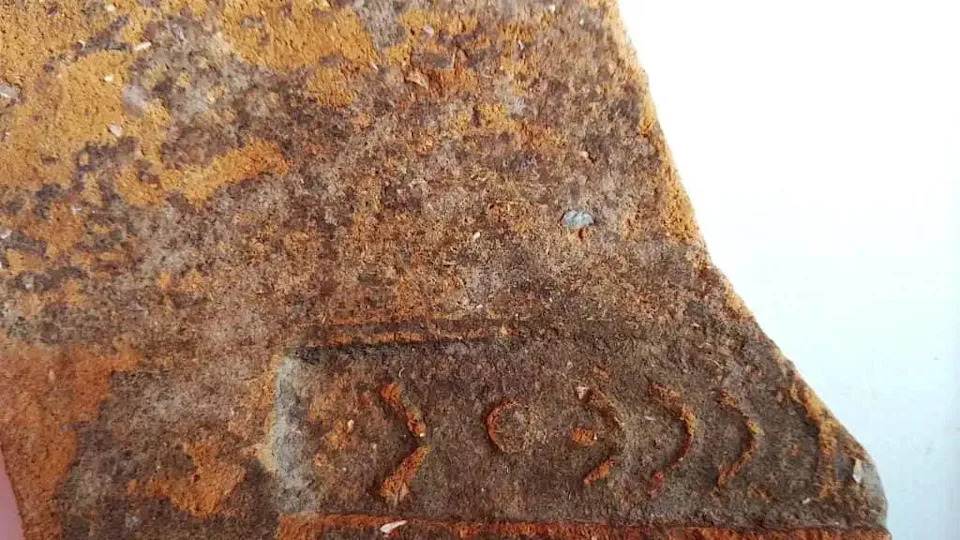
Excavators report they uncovered a ritual hall long nicknamed the "School of Homer," interpreted as a center for ceremonies honoring Odysseus, the protagonist of Homer's Odyssey. At the site researchers recovered inscribed fragments — one tile fragment incised with the name "Odysseos" (Odysseus) and another bearing the phrase "the School of Homer" — along with numerous ceramics and votive objects scattered across the complex.
Chronology And Significance
Votive remains at the site span a remarkable chronological range from the Mycenaean era (circa 1600–1100 B.C.) through the Hellenistic period (ending 31 B.C.), suggesting continuous local veneration of the hero for more than a millennium. Because some Mycenaean finds predate the composition of the Odyssey (traditionally assigned to the eighth century B.C.), the material record indicates that Odyssean legend or related local cult practices existed long before Homeric epic was written down.
Greek Ministry of Culture
"The Hellenistic monumental complex can now be confidently identified with the Odysseion of Ithaca (including a sanctuary/hero shrine of Odysseus), which is mentioned…in a decree of the people of Ithaca from around 207 B.C.," the Greek Ministry of Culture said, noting the site’s central role in religious and civic life during the Hellenistic–early Roman periods.
Context And Caution
The most recent phase of excavation has been active since 2018, supplementing systematic fieldwork from 1994–2011 and earlier investigations by W. Vollgraff in 1904. The ministry also linked the new inscriptions to an earlier Late Hellenistic clay-mask fragment from the Cave of Polis Bay inscribed with the dedicatory formula "Euchen Odyssei." Together, these findings suggest a well-established local cult and a complex that likely hosted religious, social and possibly political activities, as well as pilgrims from a wider region.
Scholars emphasize that archaeological evidence of cult and inscriptional references does not prove that Odysseus was a historical individual. Rather, the assemblage powerfully illustrates how myth and epic tradition shaped communal identity and ritual practice in ancient Greece.
Source: Initial reporting by Men's Journal (published Apr 13, 2026) and statements from the Greek Ministry of Culture.
Help us improve.