The Paris court will rule Monday in the case against Lafarge, accused of paying at least €4.7 million to Islamic State and other armed groups in 2013–2014 to keep a Syrian cement plant operating. This follows Lafarge's 2022 guilty plea in the United States and a $778 million fine. French prosecutors seek a €1.12 million corporate fine, €30 million in asset seizures and a six-year sentence for ex-CEO Bruno Lafont; Lafont denies wrongdoing and Holcim says it was unaware.
Paris Verdict Looms in Lafarge Trial Over Alleged Payments to IS and Other Jihadists
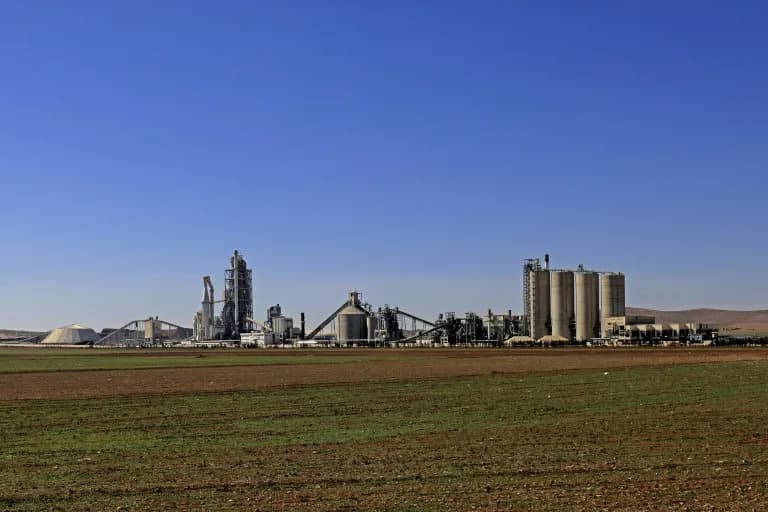
Lafarge is accused of paying millions of dollars in 2013 and 2014 to jihadist groups and intermediaries to keep its plant operating in northern Syria (Delil souleiman)(Delil souleiman/AFP/AFP)
A Paris court is set to hand down its verdict on Monday in the high-profile trial of cement company Lafarge, accused of paying protection money to the Islamic State group and other armed Islamist factions to keep its Syrian operations running during the civil war.
Background
Lafarge, which was acquired by Swiss group Holcim in 2015, completed a $680 million cement plant in Jalabiya, northern Syria, in 2010. Syria's civil war began in 2011. While many multinationals withdrew from the country in 2012, Lafarge evacuated its expatriate staff but continued operations with Syrian employees until September 2014, when Islamic State fighters took control of the site.
Allegations
French prosecutors say Lafarge's local unit, Lafarge Cement Syria (LCS), channelled millions of euros in 2013 and 2014 through intermediaries to armed groups, including the Islamic State group and Jabhat al-Nusra, to secure raw materials and guarantee the movement of trucks and personnel. The national counter-terrorism prosecutor (PNAT) says payments to groups designated as terrorist organisations amounted to at least €4.7 million.
Legal Stakes
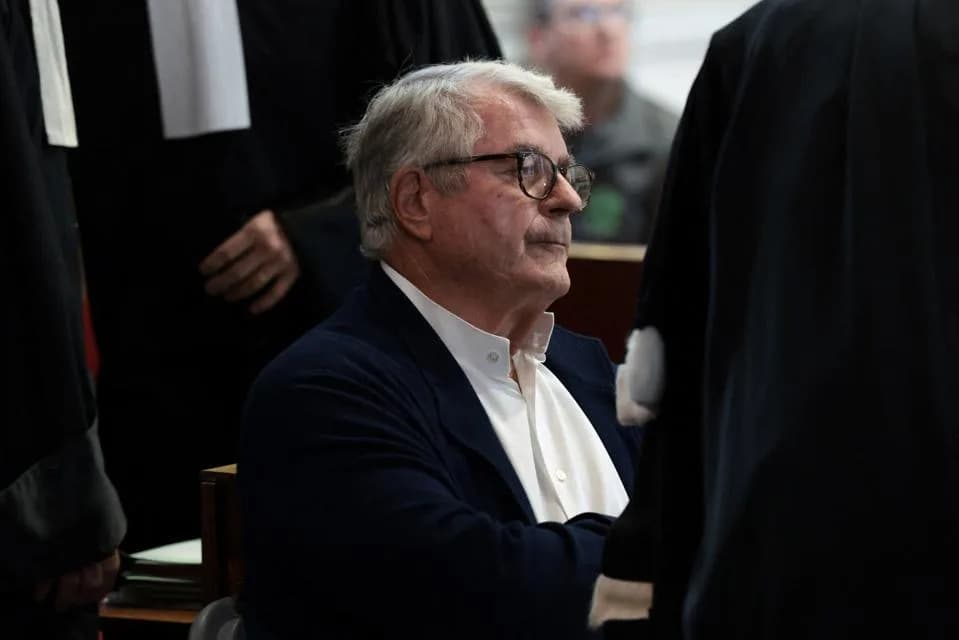
Defendants in the French case include Lafarge itself, former CEO Bruno Lafont, five ex-operational and security staff members and two Syrian intermediaries. Charges include financing terrorism and breaching international sanctions. Prosecutors have sought the maximum corporate fine of €1.12 million, confiscation of €30 million in assets, and a six-year prison term for Lafont.
Related U.S. Case
In 2022 Lafarge pleaded guilty in the United States to conspiring to provide material support to groups designated as terrorists and agreed to pay a $778 million fine — the first time a corporation had been convicted on that charge in the U.S. Department of Justice said Lafarge had effectively operated a "revenue‑sharing" arrangement with the Islamic State to squeeze out competitors.
Defence And Context
Bruno Lafont denies knowledge of illicit payments. During the trial, former deputy managing director Christian Herrault said the company kept the plant running out of concern for local employees:
"We could have washed our hands of it and walked away, but what would have happened to the factory's employees?"Holcim has said it had no knowledge of the Syria dealings. Lafont has previously described the inquiry as "biased."
Why This Case Matters
Beyond the individual charges, the trial raises broader questions about corporate responsibility and accountability for commercial operations in conflict zones: how companies balance employee safety, commercial interests and legal and ethical obligations when armed groups control territory. A separate French investigation into alleged complicity in crimes against humanity is ongoing.
Outcome Watch: The Paris verdict is expected to be closely followed by legal experts, human rights groups and corporations that operate in unstable regions, as it could influence how businesses assess and manage risks in war zones.
Help us improve.