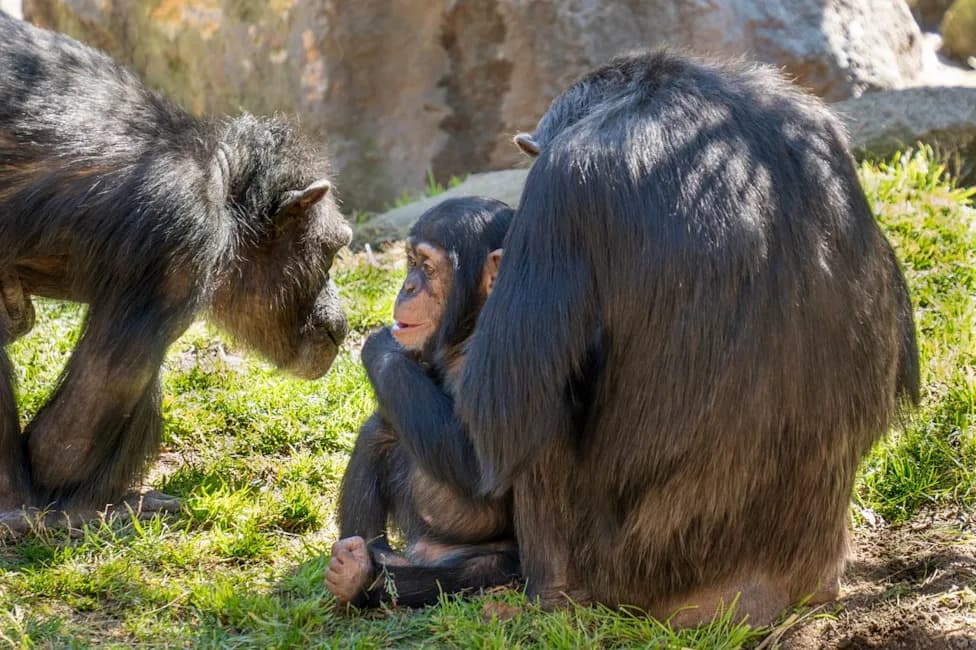
Nearly 30 years of observations at Ngogo in Uganda show a once-cohesive chimpanzee community splitting into Western and Central clusters, culminating in sustained lethal violence. Between 2018 and 2024 researchers recorded at least seven adult male and 17 infant deaths as Western chimpanzees attacked former group members. Scientists point to large group size, competition for resources, male-hierarchy shifts and recent deaths as likely contributors, and say the case challenges ideas that language or cultural markers are required for lethal intergroup conflict.
Study: 200 Ngogo Chimpanzees Split Into Violent Rival Clusters, Sparking Years of Lethal Conflict
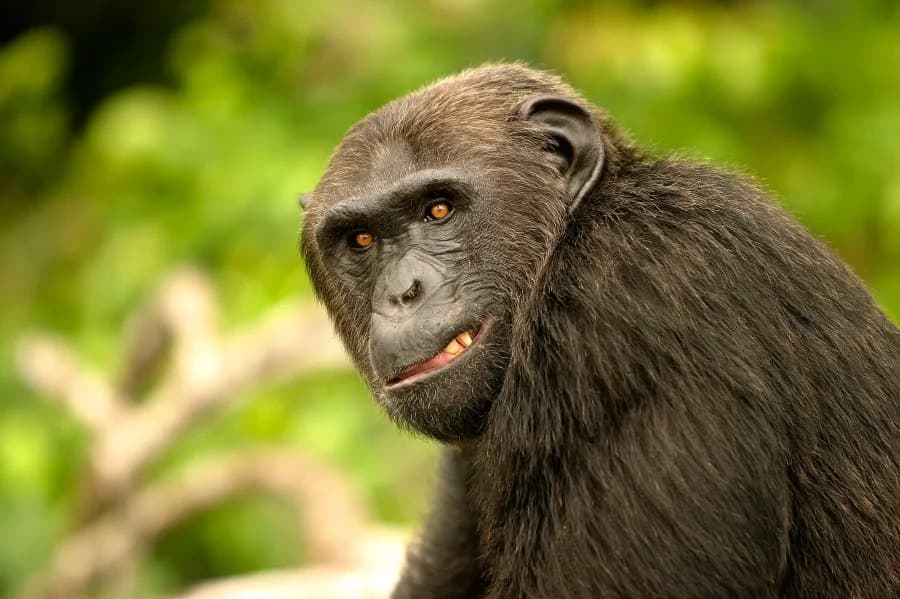
Scientists have documented a rare and prolonged factional conflict among the largest known community of wild chimpanzees, according to a study published Thursday in the journal Science. The research draws on nearly 30 years of field observations of roughly 200 Ngogo chimpanzees in Kibale National Park, Uganda.
From Cohesion To Fission
For decades the Ngogo community functioned as a cohesive unit made up of overlapping social subgroups. Observers identified two primary clusters — the Western and Central clusters — that coexisted peacefully until 2015, when members of the Western cluster were first seen fleeing from individuals in the Central cluster. Avoidance escalated over the next three years, and by 2018 the clusters were effectively and permanently separated: socially, geographically and reproductively.
Lethal Violence Recorded
Between 2018 and 2024, field teams documented lethal attacks by Western chimpanzees against former group members in the Central cluster. Researchers recorded at least seven adult male and 17 infant deaths during this period — a pattern of violence that, the authors note, resembles an intra-community “civil war.”
“What’s especially striking is that the chimpanzees are killing former group members,” said Aaron Sandel, the study’s lead author and an associate professor of anthropology at the University of Texas, Austin. “The new group identities are overriding cooperative relationships that had existed for years.”
What Might Have Driven The Split?
The researchers point to multiple, interacting factors that likely contributed to the fission and subsequent violence: the unusually large size of the Ngogo community, heightened competition for food and reproductive partners, shifts in the male dominance hierarchy, and the deaths of six chimpanzees immediately prior to the first avoidance behaviors. Based on genetic data, the team estimates that permanent fissions of this kind occur in chimpanzees only about once every 500 years.
Broader Implications
The findings challenge a prominent line of research that places language, religion, ethnicity or other cultural markers at the center of group identity and intergroup hostility. The authors argue that relational dynamics — patterns of alliance, competition and social structure — can by themselves generate polarization and even lethal conflict in a species without language or formal ideology. The study urges caution in directly extrapolating from chimpanzees to humans but suggests that some basic social forces underpin both primate and human group violence.
Study Source: Science (peer-reviewed article); Lead author: Aaron Sandel, University of Texas at Austin; Location: Ngogo, Kibale National Park, Uganda.
Help us improve.