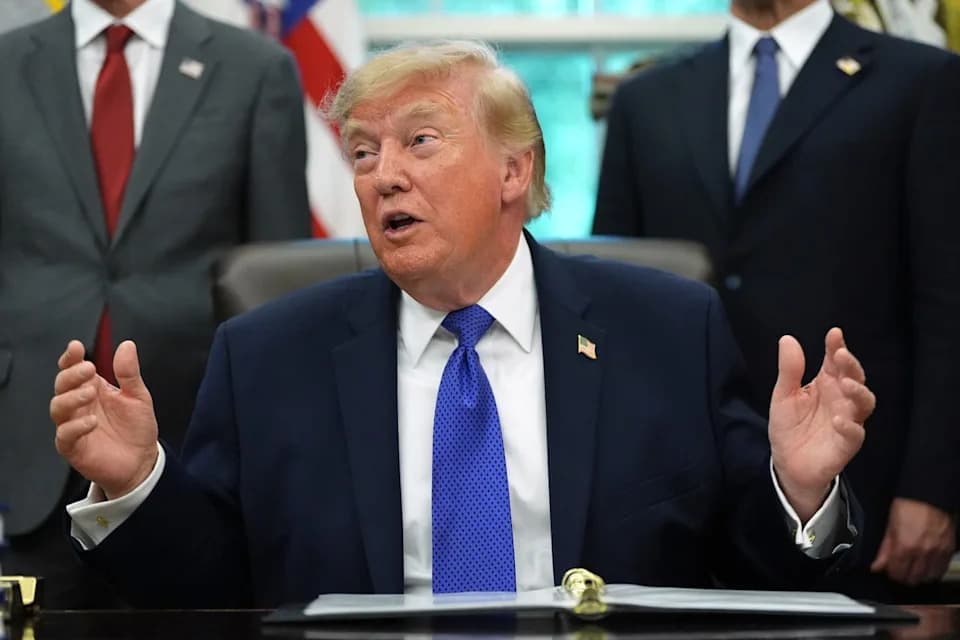
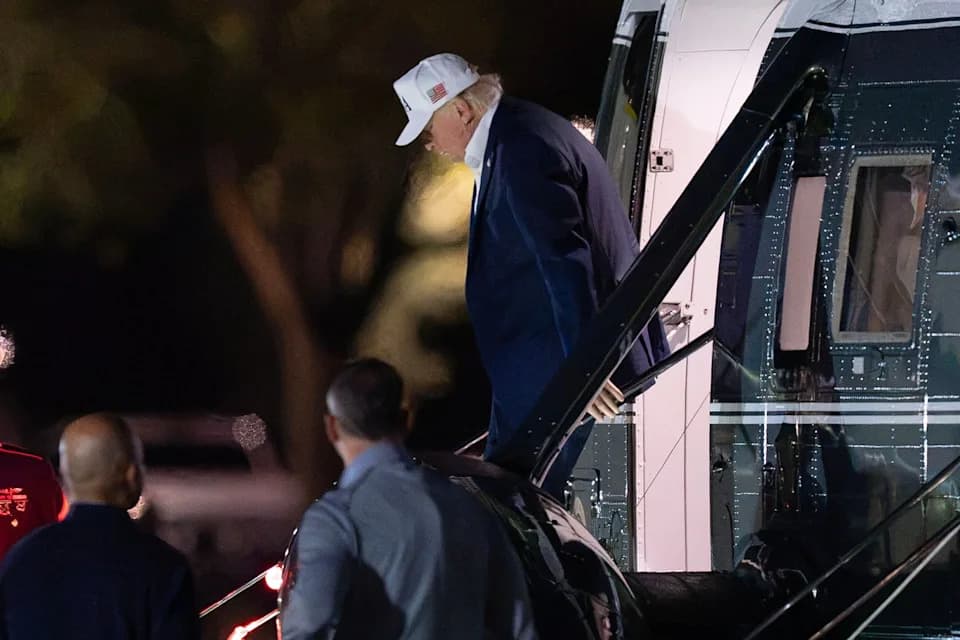
A U.S.-Iran ceasefire and the reopening of the Strait of Hormuz eased an immediate crisis after President Trump threatened to "end the Iranian civilization." Megyn Kelly’s admission that she would still back Trump even if he used a nuclear weapon highlights how some supporters tolerate extreme actions. Columnist Robby Soave warns that employing Nixon’s "madman theory" and making idle nuclear threats undermines U.S. credibility, risks emboldening rivals, and could carry electoral consequences if conflict drags on.
Ceasefire Averts U.S.-Iran Showdown — But Megyn Kelly’s 'Ride-or-Die' Support Underscores Danger of Nuclear Rhetoric
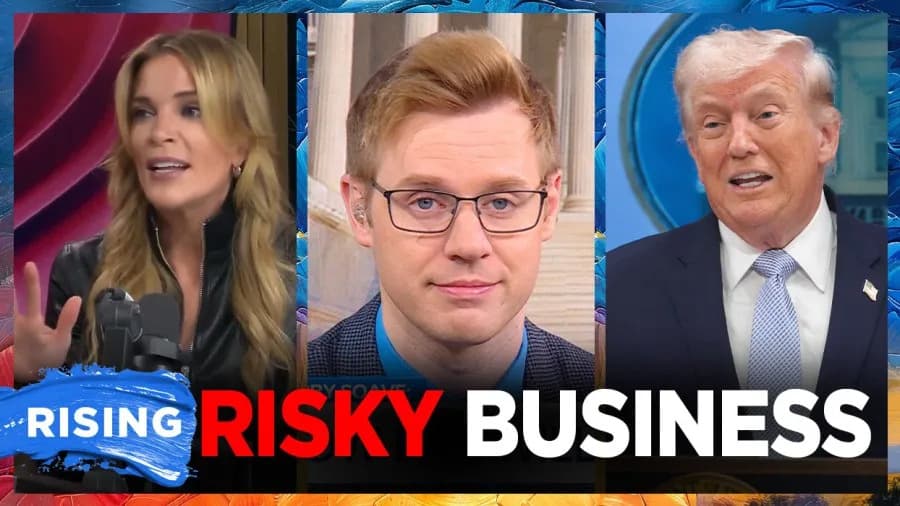
Opinion - Megyn Kelly: I’d still back Trump even if he dropped a nuke — Dems are worse!
A ceasefire between the United States and Iran has eased immediate tensions, allowing the Strait of Hormuz to reopen and removing an explicit presidential threat to "end the Iranian civilization." While that development is welcome, the episode exposed a dangerous willingness to use extreme rhetoric — and revealed the depth of unconditional loyalty among some of President Trump’s defenders.
Conservative commentator Megyn Kelly told a panel she would continue to support Trump even if he used a nuclear weapon — a remark that echoes the president’s old assertion that he could "shoot someone on Fifth Avenue" and not lose supporters. Emily Jashinsky, another panelist, noted the striking parallel: such comments suggest that some backers will tolerate almost any action in service of opposing Democrats.
I hope the pressure on Tehran produces a diplomatic outcome: Iran dismantles pathways to nuclear weapons, curbs support for militant groups, and adopts more moderate policies. A negotiated settlement that reduces the risk of conflict would be a clear win. But even with a ceasefire in place, it is troubling for the United States to casually threaten nuclear annihilation against a country that does not pose an imminent, direct threat to U.S. territory.
One explanation for the administration’s posture is the so-called "madman theory," associated with President Richard Nixon: the idea that projecting unpredictability and willingness to use extreme force will compel adversaries to back down. Conservative commentator Erick Erickson argues that this is the strategy at work and warns it misreads Iran’s motivations and religious-political calculus.
“What’s actually happening here is the president has embraced the ‘mad man’ theory and is trying to convince the Iranians that he’s willing to do whatever to wipe them out in hopes of getting a deal. The failure is that the president, like so many others, doesn’t actually appreciate that the Iranians are mad men who live in a fundamentally religious world where they really do believe they are to wipe out Israel and their citizens are expendable.”
I do not accept the premise that Iranian leaders seek their own destruction, but it is clear Tehran has shown a willingness to accept great suffering among its people for political goals. Equally important, Iranian leaders may doubt the credibility of U.S. threats: the economic and geopolitical fallout of nuclear attack or all-out war would be devastating for Americans as well, reducing the likelihood that Washington would actually carry out such extreme measures.
History demonstrates the long-term costs of nuclear coercion. In World War II, failure to secure immediate Japanese surrender preceded two atomic bombings; such actions ripple across diplomacy and credibility. If the United States repeatedly threatens civilization-level attacks and then fails to follow through, rivals like China and Russia could interpret that inconsistency as weakness and be emboldened — a strategic consequence we should avoid.
Politically, millions of voters remain loyal to Trump because they view Democrats as a worse alternative. But sustained or expanding military conflict that brings economic pain and prolonged sacrifice could shift public sentiment and carry electoral consequences for Republicans in 2026 and 2028. Supporters who want to avoid that outcome should recognize their votes are not guaranteed.
Ultimately, the present moment shows two things: a ceasefire can avert catastrophe, and reckless rhetoric — especially about nuclear options — carries real risks to U.S. credibility, strategic stability, and domestic politics.
Robby Soave is co-host of The Hill’s commentary show "Rising" and a senior editor at Reason Magazine. This column is an edited transcription of his daily commentary.
Copyright 2026 Nexstar Media, Inc. All rights reserved. This material may not be published, broadcast, rewritten, or redistributed.
Help us improve.