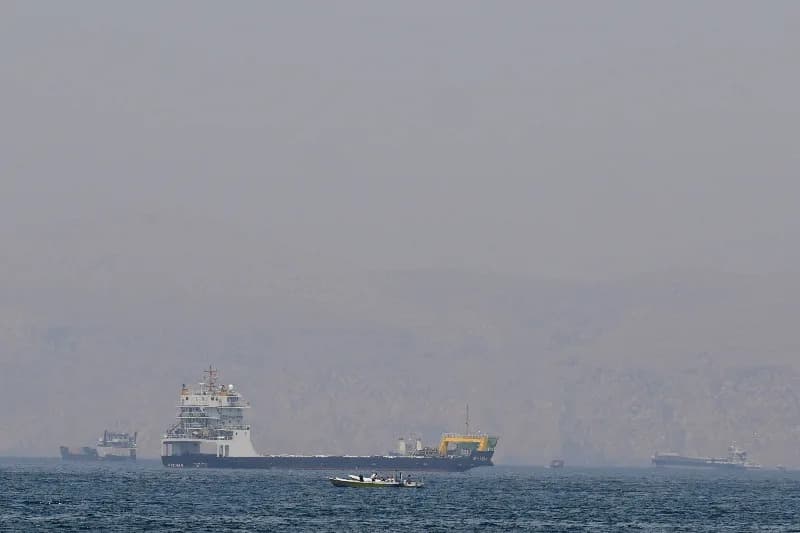
The Strait of Hormuz saw only three vessels transit on Wednesday despite statements from the US and Iran that the waterway would reopen. More than 800 ships remain stuck in the Gulf and traffic through the strait has dropped by about 95%. Shipping groups and the IMO call for clearer arrangements, including clarification of Iran's 10-point plan and coordination between the US, Iran and regional partners, before traffic can safely resume.
Only Three Ships Cross Strait Of Hormuz As Reopening Remains Fragile
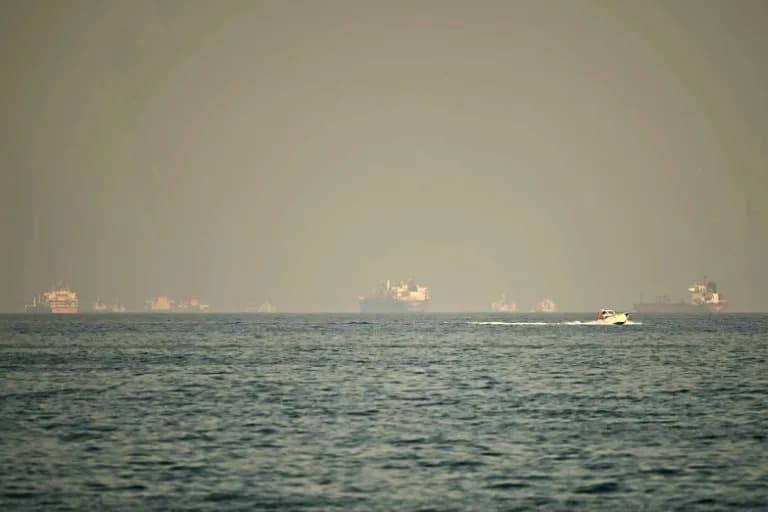
Some 800 ships remain stuck in Gulf waters (Giuseppe CACACE)(Giuseppe CACACE/AFP/AFP)
Only three vessels transited the Strait of Hormuz on Wednesday, underscoring how cautious shipping operators remain about using the strategic waterway despite statements from both the United States and Iran that the chokepoint would reopen.
Who Is Taking The Risk?
MarineTraffic tracking shows only a handful of additional vessels were heading toward the strait beyond the three that passed after a two-week ceasefire was announced. That limited movement does not yet signal a broad return to normal: maritime data provider Kpler reports an average of eight commodities carriers have transited the strait daily since March 1.
Maritime intelligence firm Lloyd's List Intelligence says more than 800 vessels remain stranded in the Gulf, and overall traffic through the strait has plunged by roughly 95 percent. "Everybody on the shipping side is obviously nervous," Lloyd's List editor-in-chief Richard Meade told AFP.
Is It Safe?
Industry experts urge caution. Jakob Larsen, Bimco's chief safety and security officer, told AFP that leaving the Gulf "would not be advisable" without coordination between the United States and Iran. The Japanese Shipowners' Association warned that it is still not clear whether conditions are safe for routine passages.
"We still don't know if the area has really become safe to pass through,"
John Stawpert of the International Chamber of Shipping said Iran's reported 10-point plan needs clarification before ship operators can be confident about returning. The International Maritime Organization (IMO) said it is working on a mechanism to guarantee "safe transit." Industry voices also warn that an uncoordinated surge of departures could cause collisions or groundings as traffic resumes.
What About Tehran's 'Toll Booth'?
Reports that Iran set up a mechanism — dubbed the "Tehran Toll Booth" by Lloyd's List — under which some ships reportedly paid for permission to pass have raised concern. Iran's 10-point plan is said to include maintaining Iranian control over the strait, but U.S. officials have said Iran's proposal does not fully match the White House's conditions.
An Iranian diplomatic source told journalists a new passage mechanism had been organised with Oman to ensure a right of passage; Oman welcomed the ceasefire but has not publicly detailed any arrangement on transit control. The Financial Times reported that Tehran may seek about one dollar per barrel of oil transiting the strait to be paid in cryptocurrencies — a claim that, if pursued, would add another layer of commercial and legal complexity.
What Precedents Exist?
An effective closure of the Strait of Hormuz would be unprecedented in modern times. The strait remained open during the 1980–1988 Iran–Iraq war despite tanker attacks that periodically slowed traffic. More recently, 2024 attacks by pro-Iranian Houthi militias contributed to a significant reduction in maritime traffic through other key chokepoints, such as the Suez Canal and Bab al-Mandeb Strait.
Outlook
For many ship crews stranded in the Gulf, the ceasefire offers the first sign of hope in weeks. But shipping companies, insurers and international bodies say they need clear, verifiable coordination and rules — including clarification of Iran's 10-point plan and any new passage mechanisms involving Oman — before regular transit can safely resume. In the near term, cautious, coordinated movement with verified guarantees from relevant authorities is likely to shape how quickly traffic recovers.
Help us improve.