Bangladesh’s foreign minister visited New Delhi to request increased fuel and fertiliser shipments and to thank India for recent diesel deliveries. Talks with Indian ministers focused on energy cooperation, easing visas for medical and business travel, and bolstering security ties. The visit — the first ministerial outreach by Tarique Rahman’s new administration — signals a cautious thaw after a period of strained relations, though tensions over extradition requests and attacks on minority communities remain.
Bangladesh Asks India to Boost Fuel and Fertiliser Supplies as Ties Begin to Thaw
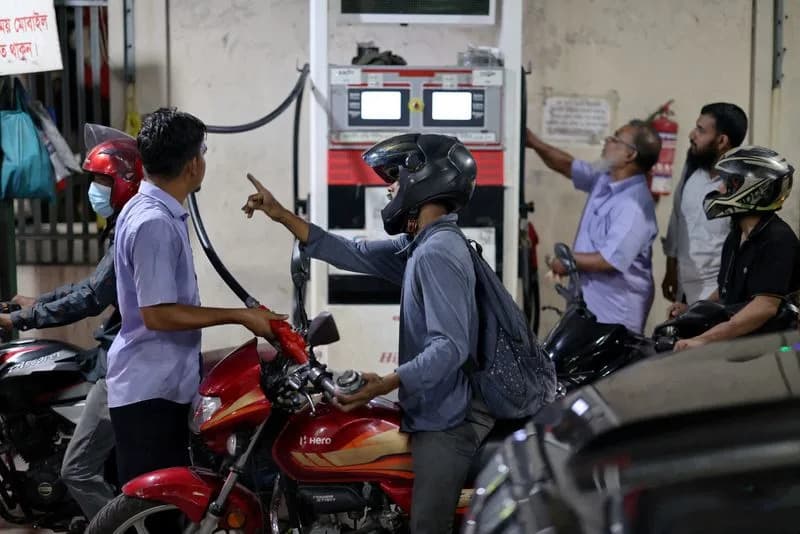
Vehicles refuel at a fuel station, as concerns grow over fuel supply amid the U.S.-Israel conflict with Iran, in Dhaka, Bangladesh, April 6, 2026. REUTERS/Mohammad Ponir Hossain
DHAKA/NEW DELHI, April 8 (Reuters) — Bangladesh on Wednesday asked India to increase shipments of fuel and fertiliser during Foreign Minister Khalilur Rahman’s first ministerial visit to New Delhi under the new government, a sign that strained relations between the neighbours may be easing.
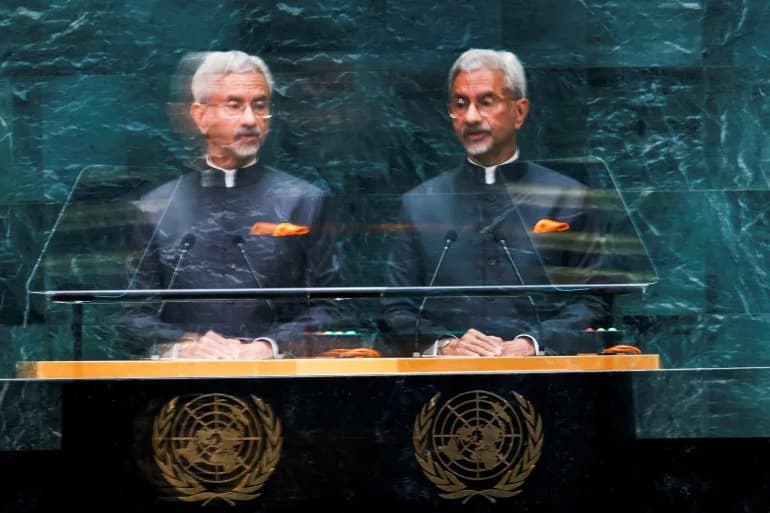
During the two-day trip, Rahman held talks with External Affairs Minister S. Jaishankar and Petroleum and Natural Gas Minister Hardeep Singh Puri that focused on energy cooperation and bilateral ties. Rahman thanked India for recent diesel deliveries and requested larger volumes of fuel and fertiliser; Bangladesh’s foreign ministry said Puri indicated the request would be considered "readily and favourably."
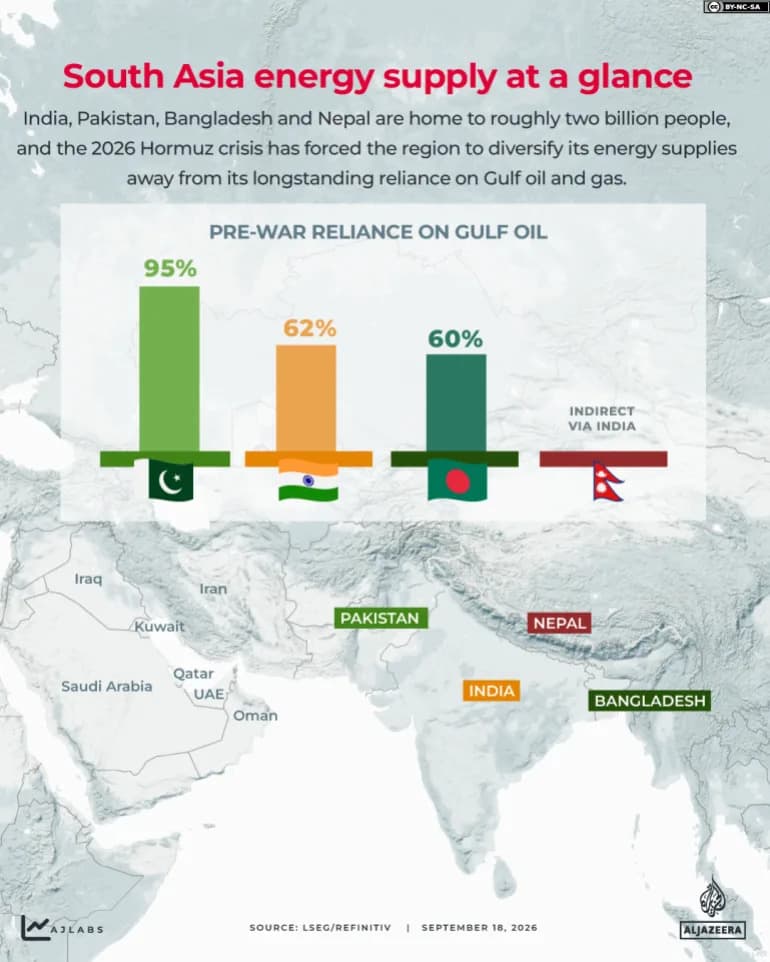
The statement noted Bangladesh is heavily dependent on energy imports, which have been disrupted amid the U.S.-Israeli war against Iran. Securing steady supplies is a priority for the new administration after Prime Minister Tarique Rahman took office in February following a landslide election victory.
Discussions also covered easing travel restrictions and strengthening security cooperation. India said it would relax visa procedures for Bangladeshis, particularly for medical and business travel, in the coming weeks, according to the foreign ministry.
Ties between the two neighbours had deteriorated after former prime minister Sheikh Hasina fled to New Delhi in 2024 following mass protests; Dhaka has renewed calls for her extradition after she was sentenced by Bangladesh’s International Crimes Tribunal, the statement added. Relations were further strained by attacks on Hindu minorities, prompting suspensions of some visa services and Indian port restrictions on certain Bangladeshi goods.
Still, officials pointed to recent signs of a thaw: Indian Foreign Minister S. Jaishankar visited Bangladesh in December to attend the funeral of Tarique Rahman’s mother and former Prime Minister Khaleda Zia, and Prime Minister Narendra Modi was among the first world leaders to congratulate Tarique Rahman on his election win. Rahman also met India’s National Security Adviser Ajit Doval to discuss broader regional and international issues and the need to expand cooperation across sectors.
(Reporting by Ruma Paul in Dhaka and Sakshi Dayal in New Delhi; Editing by Kirsten Donovan)
Help us improve.