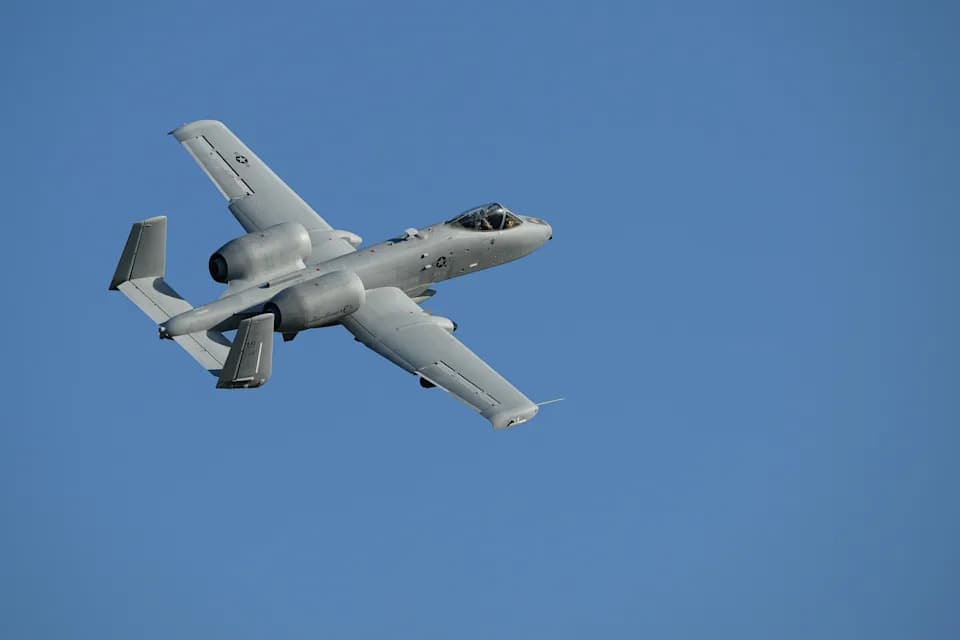
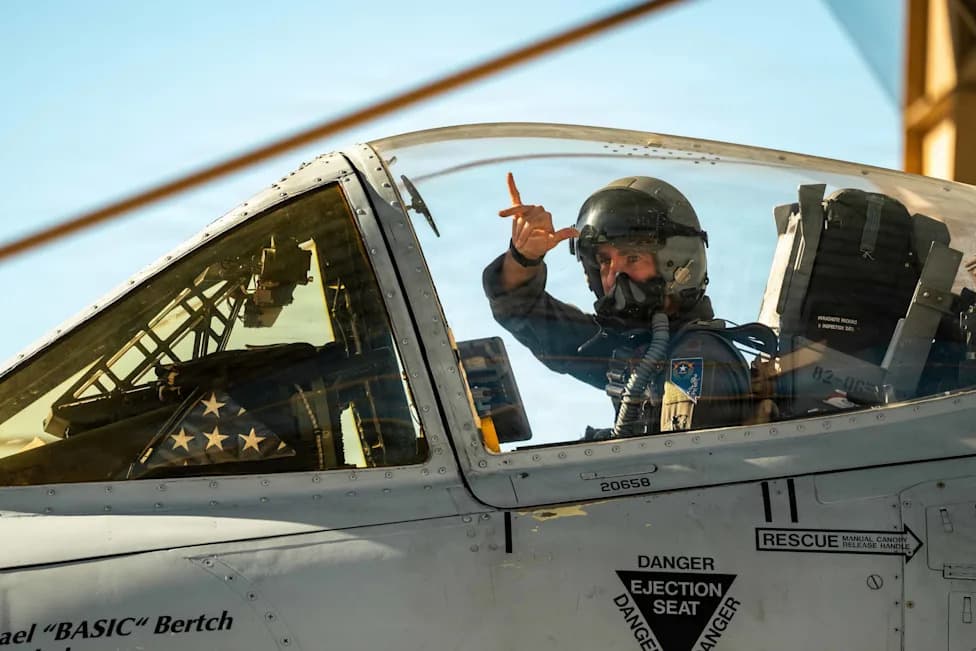
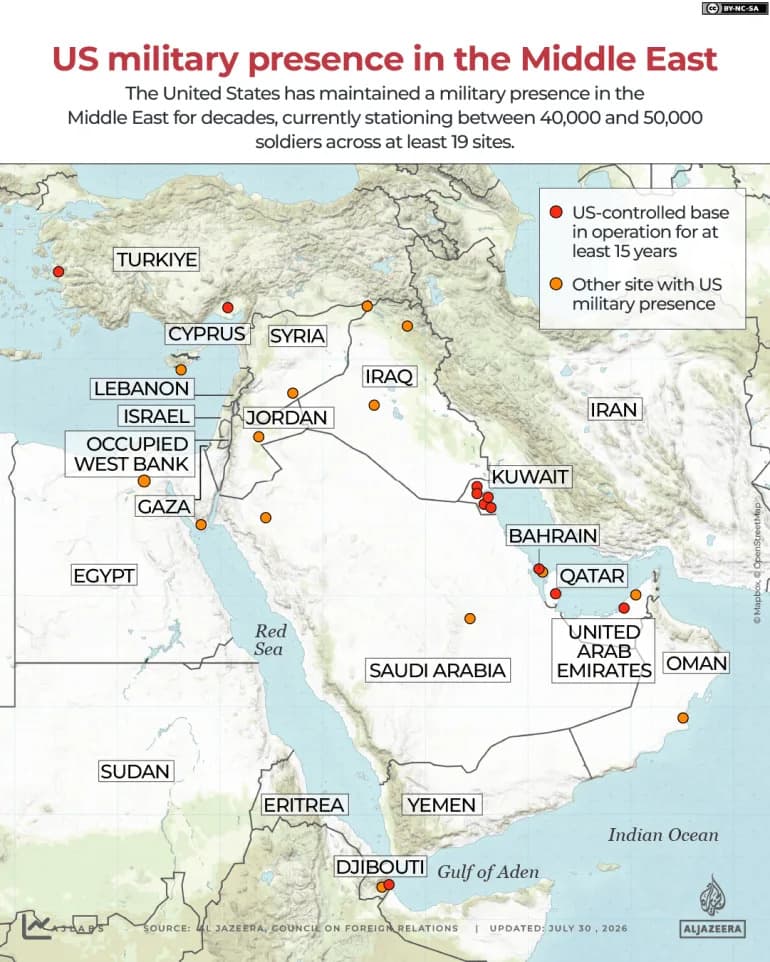
The A-10 Warthog has been repurposed for maritime operations against small Iranian boats and coastal targets, a role that may extend the aircraft’s service life despite Air Force plans to retire it. Pentagon officials report A-10s operating across the southern flank, including the Strait of Hormuz, and taking part in strikes on maritime and mine-related facilities. Congress has restricted retirements, requiring the fleet not fall below 103 aircraft in FY2026, while the Air Force currently fields roughly 280 A-10s. Though vulnerable in heavily defended airspace, the jet’s loiter time and visual targeting make it effective against fast-attack craft.
A-10 Warthog Redeployed To Hunt Iranian Fast-Attack Boats — Maritime Role May Extend Fleet's Service
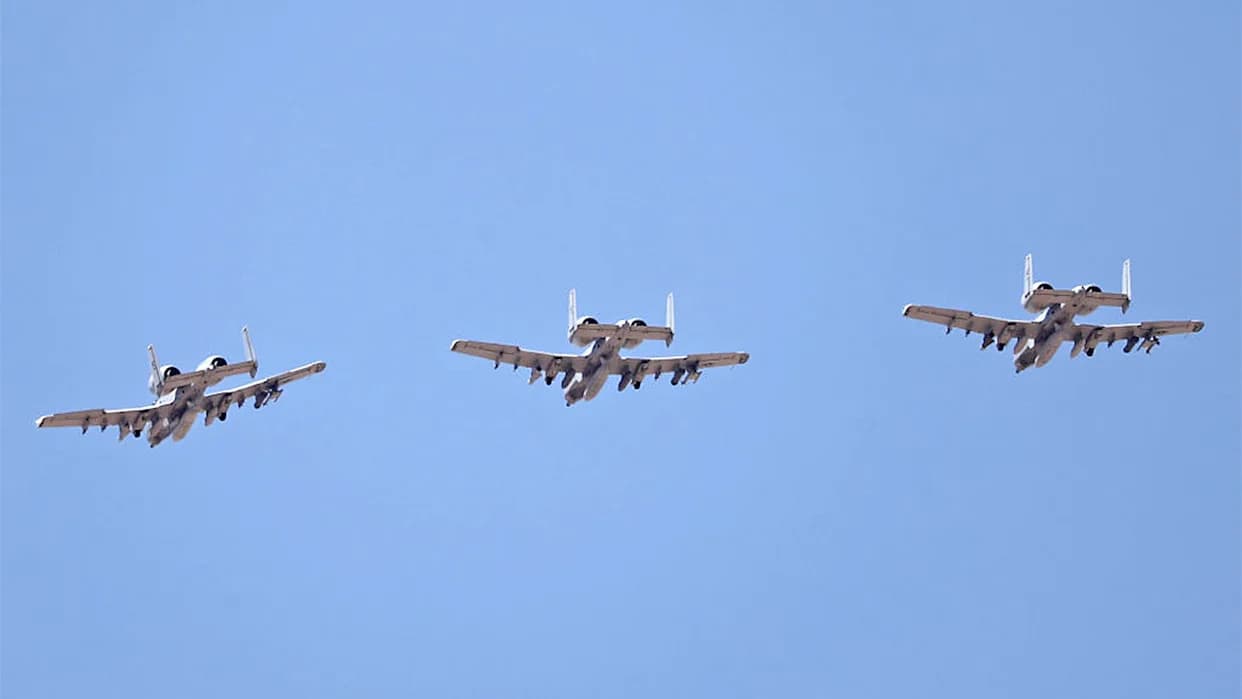
A-10 Warthog given new maritime role targeting boats in Iran after efforts to retire aircraft
The A-10 Warthog has been assigned a new maritime mission targeting small, fast-attack boats and coastal threats in the operations involving Iran — a shift that could prolong the jet’s operational life despite long-running U.S. Air Force plans to retire the type.
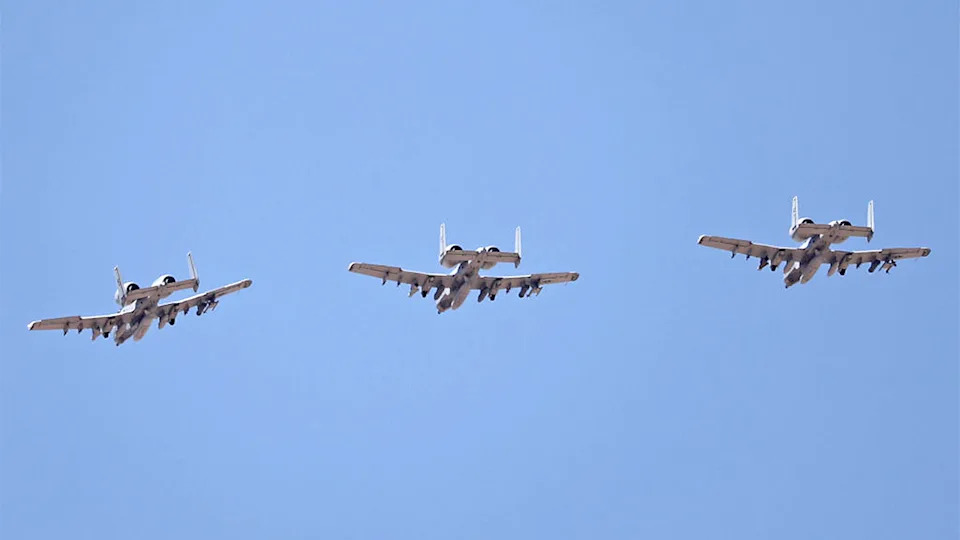
The A-10 Warthog has a new maritime role in targeting boats in the war in Iran.(Getty Images)
Operational Use And Impact
Pentagon officials say the A-10’s long loiter time and precision-engagement ability make it especially useful for visually identifying and striking small maritime targets. U.S. A-10s have been employed across the southern flank of the conflict, including operations in the Strait of Hormuz, where commanders have directed strikes against ships, mine-related infrastructure and coastal ammunition depots.
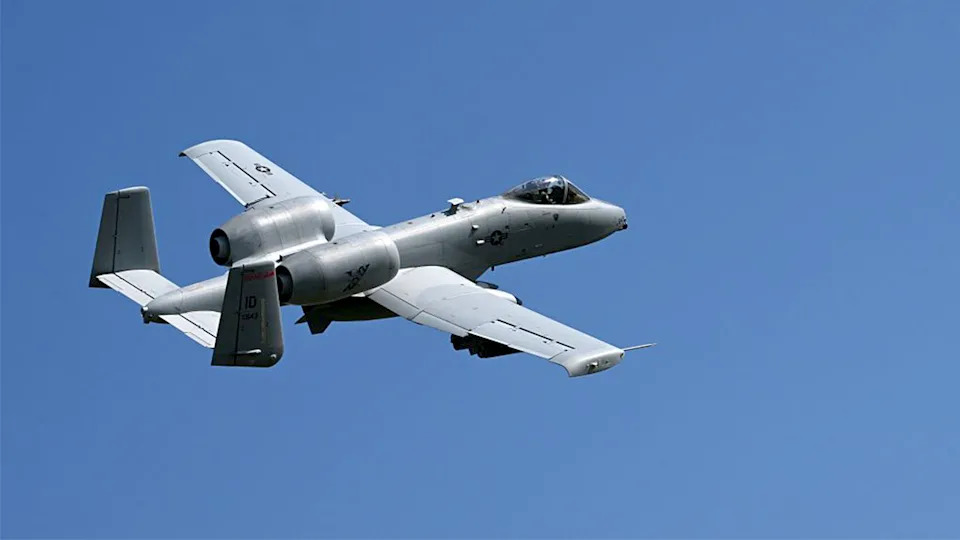
Despite the Air Force trying to phase out the A-10, Congress has resisted its efforts and blocked attempts to reduce the number of these aircraft.
"The A-10 aircraft were 'in the fight' and operating across the southern flank of the conflict, including targeting Iranian boats in the Strait of Hormuz," said Chairman of the Joint Chiefs of Staff Gen. Dan Caine during a Pentagon briefing on March 19.
"We continue to hunt and kill mine storage facilities and naval ammunition depots. We continue to hunt and kill afloat assets, including more than 120 vessels and 44 mine layers, and the pressure will continue," Caine said.
Congressional Limits And Fleet Size
As of 2026, the Air Force fields roughly 280 A-10s. The Fiscal Year 2026 National Defense Authorization Act includes a provision preventing the fleet from falling below 103 aircraft, a congressional constraint that has helped preserve a significant portion of the force.

President Donald Trump has escalated threats against Iran, including its civilian infrastructure, over its blockade of the Strait of Hormuz.
Advantages And Risks
Although the A-10 is slower and less stealthy than modern fighters and would be at greater risk in heavily contested airspace protected by advanced integrated air defense systems, its ability to remain on station for long periods and to visually acquire targets makes it well suited for countering small maritime threats. That utility has revived debate over the Air Force’s decade-long effort to retire the jet, as commanders find new mission sets for the Warthog.
Context
The deployment comes amid heightened U.S.-Iran tensions tied to disruptions in the Strait of Hormuz. Reports say the campaign included strikes on maritime and coastal infrastructure; the two sides also agreed to a temporary ceasefire on one occasion, hours before a U.S. deadline for potential strikes on selected infrastructure targets. AH-64 Apaches and allied platforms have also been operating on the southern flank, including use against one-way attack drones.
Bottom line: Repurposing the A-10 for maritime counter–small-boat operations highlights the platform’s adaptability and may extend the jet’s service life, while also sharpening discussions about force modernization and the balance between legacy and new aircraft capabilities.
Help us improve.