Two backpacks containing explosives and detonators were found in Kanjiža, northern Serbia, a few hundred metres from a Russian gas pipeline, Serbian President Aleksandar Vučić said. Authorities have launched an investigation and informed Hungary's prime minister, who called an emergency defence meeting. Hungarian officials have hinted at Ukrainian involvement; Kyiv denies the claim and suggested a possible Russian "false-flag" operation. The incident intensifies debates about energy dependence on Russia amid Hungary's election campaign.
Two Explosive-Laden Backpacks Found Near Russian Gas Pipeline on Serbia–Hungary Border — Accusations Fly
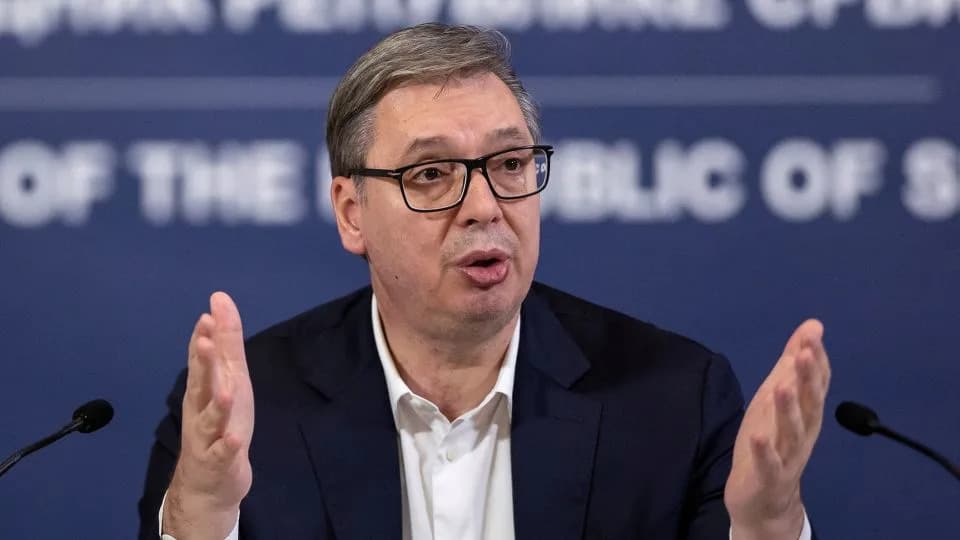
Serbia's President Aleksandar Vucic pictured during a press conference in his office in Belgrade, Serbia, October 9, 2025. - Marko Djurica/Reuters
Serbian President Aleksandar Vučić announced on Sunday that two backpacks containing explosives and detonators were discovered in Kanjiža, northern Serbia, a few hundred metres from a gas pipeline that carries Russian gas toward Hungary.
What Happened
Vučić said the backpacks contained "two large packages of explosives with detonators." Serbian media circulated footage showing an extensive police presence, roadblocks and helicopters over the area as military and police units investigated the site.
Investigation And Immediate Response
Serbian authorities have opened an investigation. Vučić said investigators had found "certain traces" linked to the origin of the devices but declined to provide details at this stage. He warned the explosives could have "endangered many lives" and caused significant damage to the pipeline.
Vučić also said he had informed Hungary's Prime Minister Viktor Orbán of the "initial results of the investigation by our military and police authorities into the threat to the critical gas infrastructure." Orbán, campaigning ahead of a national election, announced on X that he would convene an emergency defence council meeting.
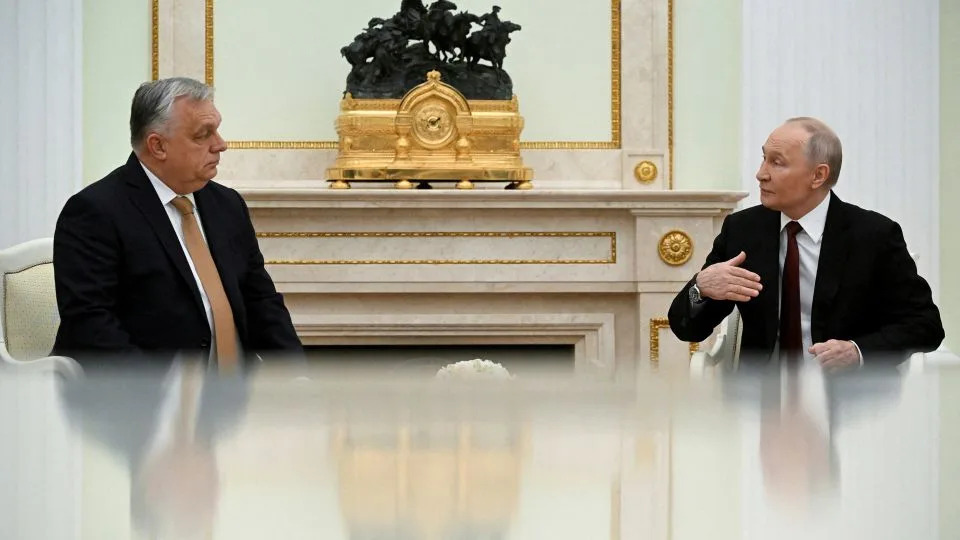
Hungarian Prime Minister Viktor Orban and Russian President Vladimir Putin speak during a meeting in Moscow, Russia, November 28, 2025. Orban is considered to have strong relations with Russia. - Alexander Nemenov/Pool/Reuters
Accusations And Denials
The discovery quickly prompted political finger-pointing. Some Hungarian officials compared the incident to the September 2022 Nord Stream explosions and suggested Ukrainian involvement. Kyiv has repeatedly denied responsibility and pushed back against such claims.
A spokesperson for Ukraine's foreign ministry suggested the possibility that the explosives were part of a Russian "false-flag" operation intended to shift blame. Hungarian opposition figures echoed concerns that the incident could be exploited for political gain during the election campaign.
Context And Regional Implications
The incident comes amid heightened sensitivities over European energy security. Both Serbia and Hungary remain heavily dependent on Russian energy supplies; Serbia recently secured an additional three-month extension of gas imports from Russia after talks between Vučić and President Vladimir Putin. Hungary has also used exemptions from EU restrictions to sustain Russian energy deliveries.
Beyond immediate safety concerns, the discovery adds tension to a volatile political moment in Hungary, where Prime Minister Orbán faces a competitive election, and draws international attention to pipelines and other critical energy infrastructure in the region.
Note: Investigations are ongoing. Authorities have not publicly confirmed motives, perpetrators or any arrests. Independent verification of the origin of the explosives is still pending.
Help us improve.