UC Davis researchers report that male frogs' mating calls change as pond water warms, shifting from slow and languid to faster and more urgent. Female frogs tend to arrive when calls are most attractive, often at warmer temperatures, which may influence breeding timing. With about 41% of amphibian species threatened, these temperature-driven changes could have meaningful conservation consequences. Scientists recommend continued monitoring of calls to better understand phenological responses to climate change.
Warmer Ponds Are Changing Frog Mating Calls — Listen for the Shift
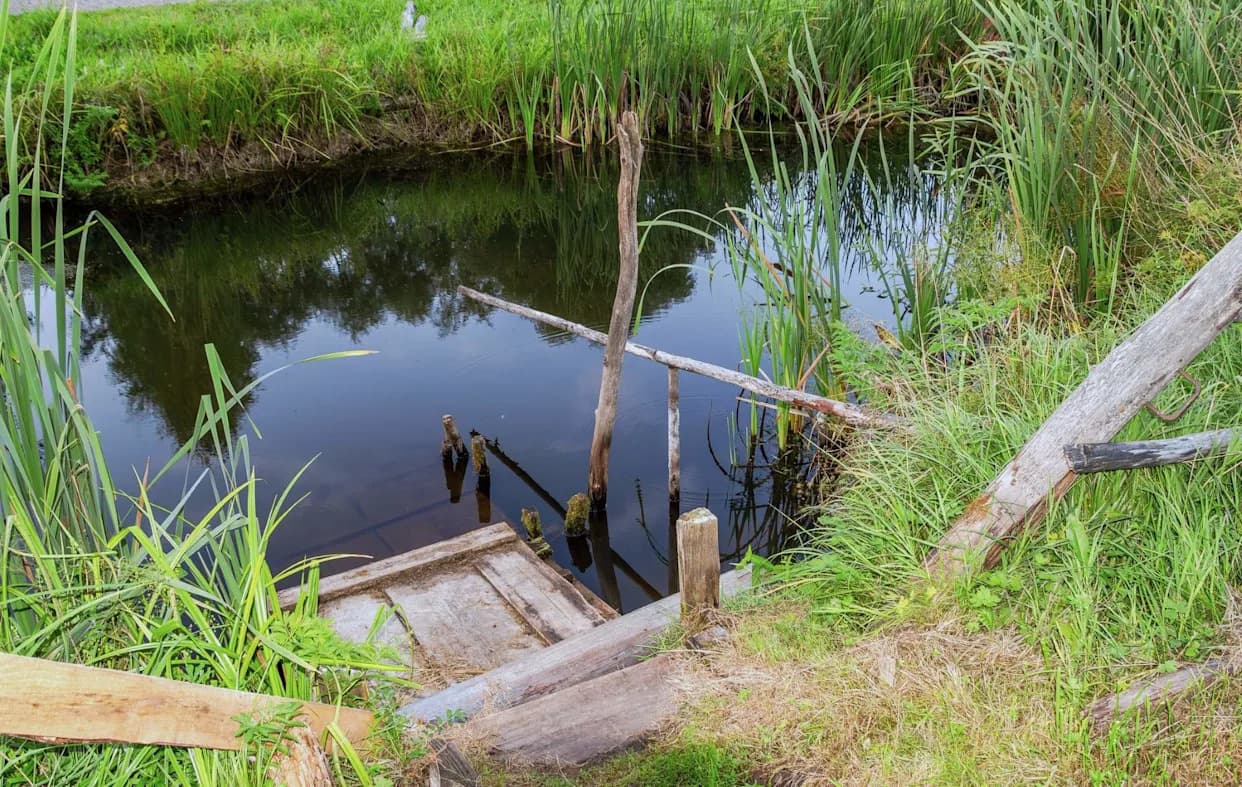
Photo Credit: iStock
A new study from the University of California, Davis, shows that rising pond temperatures are altering the mating calls of male frogs — and that change could affect when and how amphibians breed.
Temperature Alters Tone and Tempo
Researchers found that as water warms, male frogs' calls shift in both sound and quality: calls that are slow and languid at cooler temperatures become faster, higher-pitched, and more urgent in warmer water. These changes are noticeable to human listeners and, importantly, attract attention from female frogs.
“The song of frogs really depends on the temperature of the environment,” said Julianne Pekny, the study's lead author. “As ponds warm, male frogs go from sounding slow and sluggish to faster and almost desperate. I can hear it with my human ears, and female frogs are also paying attention.”
The work, published in the journal Frontiers in Ecology and the Environment, highlights how a warming climate can alter basic mating behavior in amphibians — a group that faces steep conservation challenges.
Timing Matters for Breeding
Rather than arriving at ponds as soon as males start calling, female frogs appear to time their visits to when male calls are most attractive — typically when water temperatures are higher and calls are less sluggish. This suggests that males may unwittingly signal environmental suitability for breeding, and females interpret these acoustic cues when making reproductive decisions.
“This could potentially revolutionize the study of phenological responses to climate change,” said Eric Post, a UC Davis professor and the study’s senior author. “Males may be unwittingly signaling nuances about the appropriateness of environmental conditions for breeding, and females interpret these signals beyond the intentions of males.”
Conservation Implications
Amphibians are the most threatened vertebrate class: UC Davis researchers note that roughly 41% of amphibian species are at risk of extinction. Temperature-driven shifts in mating signals and breeding timing could disrupt reproductive success and complicate conservation efforts.
The study adds to growing evidence that warming climates are already reshaping animal behavior — from shifting fish feeding patterns in the Baltic Sea to earlier penguin breeding in the Antarctic. The authors recommend continued monitoring of vocal and phenological changes to inform conservation planning.
Practical tip: If you live near a pond, try listening to frog calls over several weeks during the breeding season — you may notice shifts in tempo and tone as temperatures change.
Help us improve.