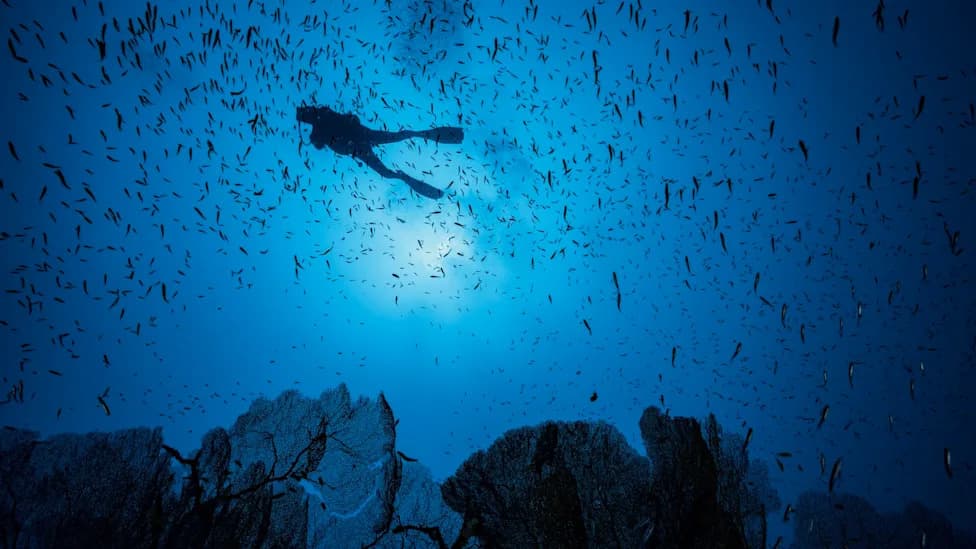
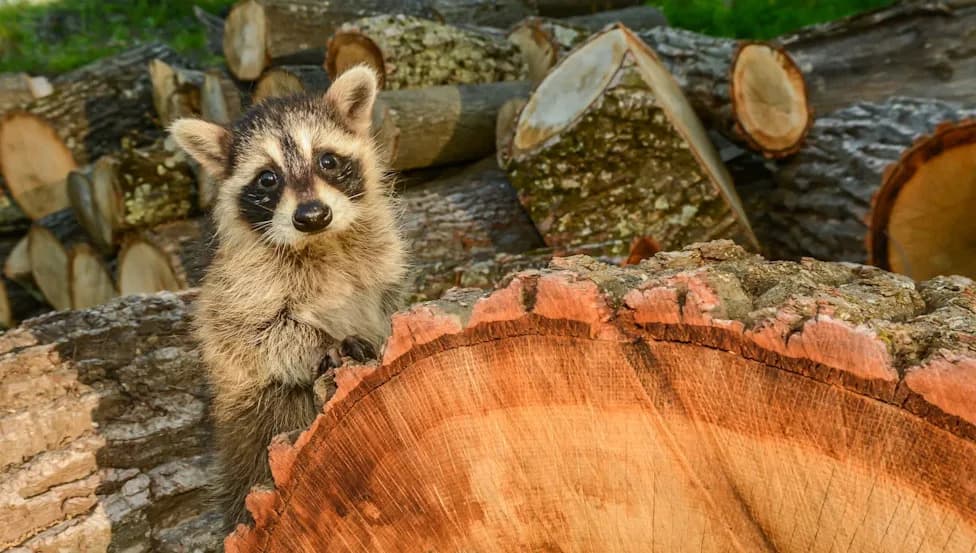
The U.N. Convention on the Conservation of Migratory Species (CMS) announced new international protections for 40 at-risk migratory species at a meeting in Campo Grande, Brazil, on March 29. Participants from 132 countries and the EU approved additions that expand the CMS list to more than 1,200 species, including cheetahs and great hammerhead sharks. Delegates warned that habitat loss, overexploitation and emerging threats such as deep-sea mining and plastic pollution are accelerating declines. CMS officials urged swift implementation to turn commitments into on-the-ground conservation.
U.N. Strengthens Protections for 40 Migratory Species — From Cheetahs to Great Hammerhead Sharks
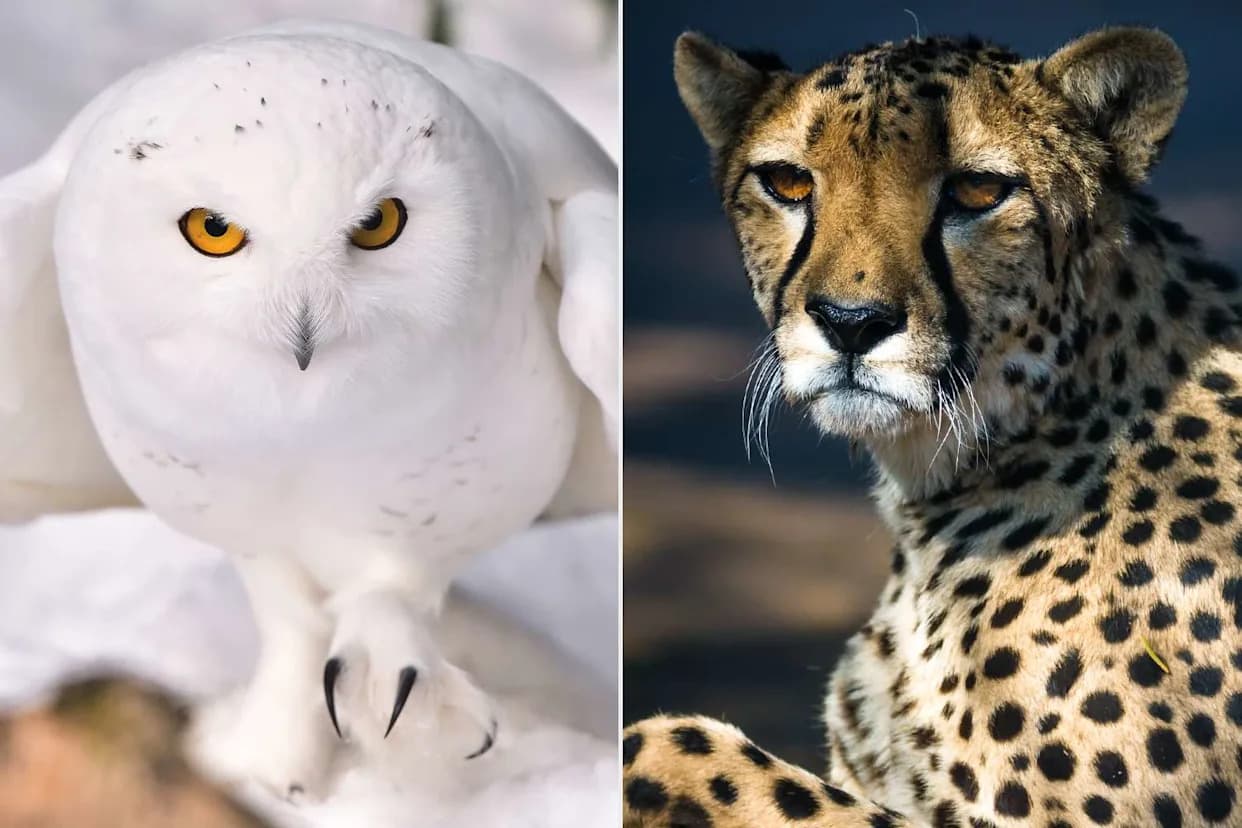
A snowy owl and a cheetah, two species set to benefit from new U.N. conservation measuresCredit: James Devaney/WireImage; Cedric Favero/VW Pics/Universal Images Group via Getty
Forty migratory animal species have gained new international protections after representatives from 132 countries and the European Union agreed to expand listings under the U.N. Convention on the Conservation of Migratory Species of Wild Animals (CMS). The decision was taken at a week-long CMS conference held in Campo Grande, Brazil, on March 29, aimed at boosting coordinated conservation action for species that cross national borders.
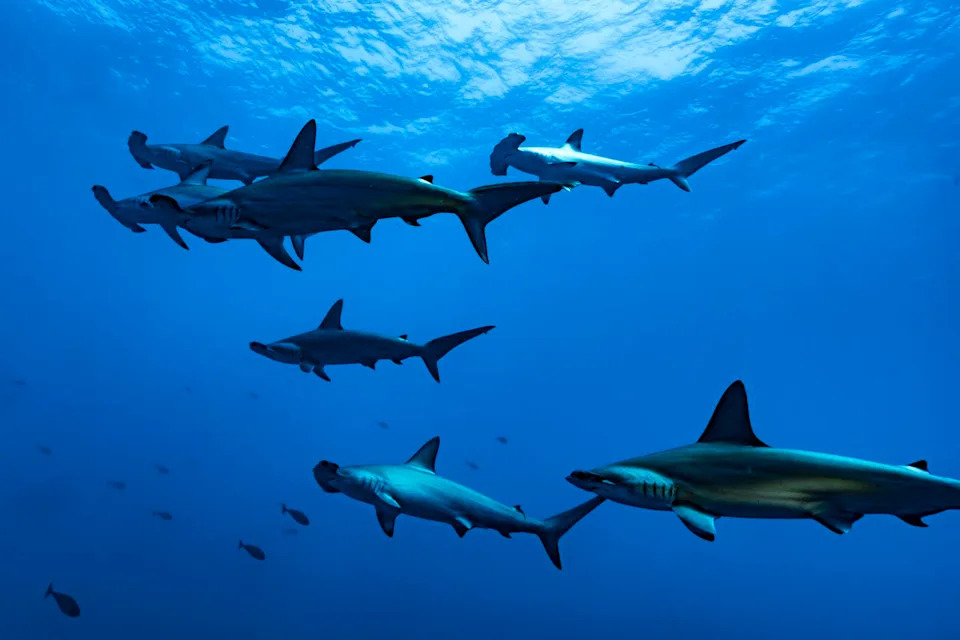
A school of hammerhead sharks in 2017.Credit: Alexis Rosenfeld/Getty
Which Species Benefit
The new measures extend protections to a diverse group of animals, including cheetahs, snowy owls, spotted and striped hyenas, giant otters, great hammerhead sharks and several shorebird species. In total, CMS lists now cover more than 1,200 unique migratory species.
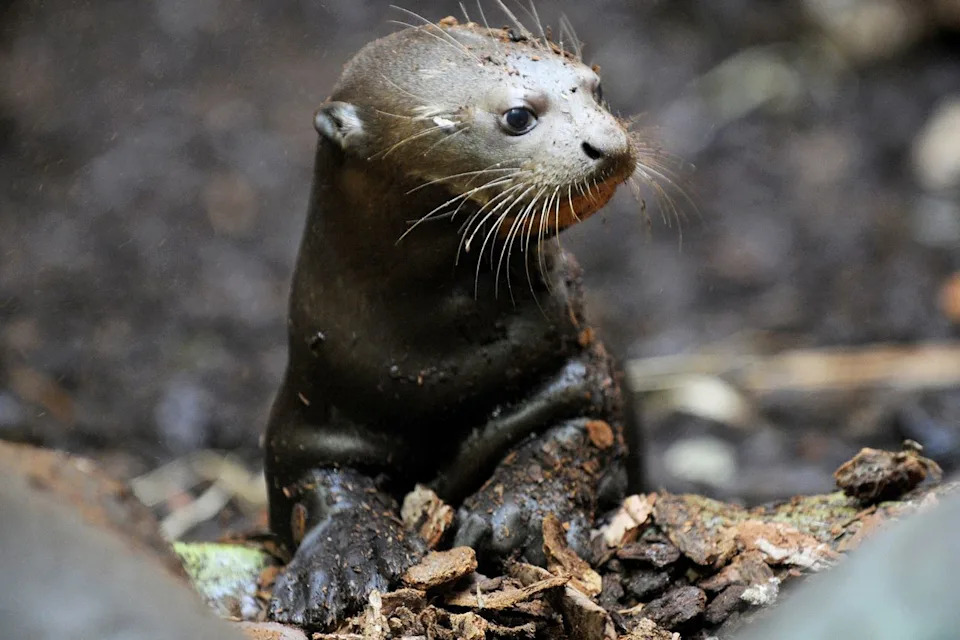
An otter in GermanyCredit: VOLKER HARTMANN/DDP/AFP via Getty
Main Drivers of Decline
Delegates reviewed new evidence showing that many treaty-protected populations are still decreasing. Experts cited habitat loss, overexploitation, and infrastructure barriers as longstanding pressures. Emerging and intensifying threats highlighted at the conference include deep-sea mining, climate change, plastic pollution, underwater noise, illegal killing of wildlife, fisheries impacts and broader marine pollution.
We came to Campo Grande knowing that the populations of half the species protected under this treaty are in decline. We leave with stronger protections and more ambitious plans, but the species themselves are not waiting for our next meeting. Expanded protections for striped hyena, snowy owls, giant otters, great hammerhead sharks and many more demonstrate that nations can act when the science is clear. Our duty now is to close the distance between what we've agreed and what happens on the ground for these animals.
What Comes Next
The new listings commit CMS Parties to stronger international cooperation, targeted conservation measures and, where relevant, regional agreements to address threats that cross borders. Conservationists say rapid implementation, funding and on-the-ground actions will be vital to translate these agreements into real population recoveries for the species now covered.
Why this matters: Migratory species connect ecosystems and economies across countries; protecting them requires coordinated policies and urgent action to address both long-standing and novel threats.
Help us improve.