Workers at the Mississippi Department of Public Safety found a blue suitcase full of 1960s Ku Klux Klan materials while moving to a new headquarters. The collection — now in the custody of the Mississippi Department of Archives and History — includes a hood and robe, meeting notes, membership lists, a harassment guide and a charter linked to the White Knights of Mississippi. Archivists say cataloging and preservation will take months, and historians say the discovery raises questions about how such items ended up in a public agency's building.
Suitcase of 1960s KKK Materials Found During Mississippi DPS Move — White Knights Charter Included
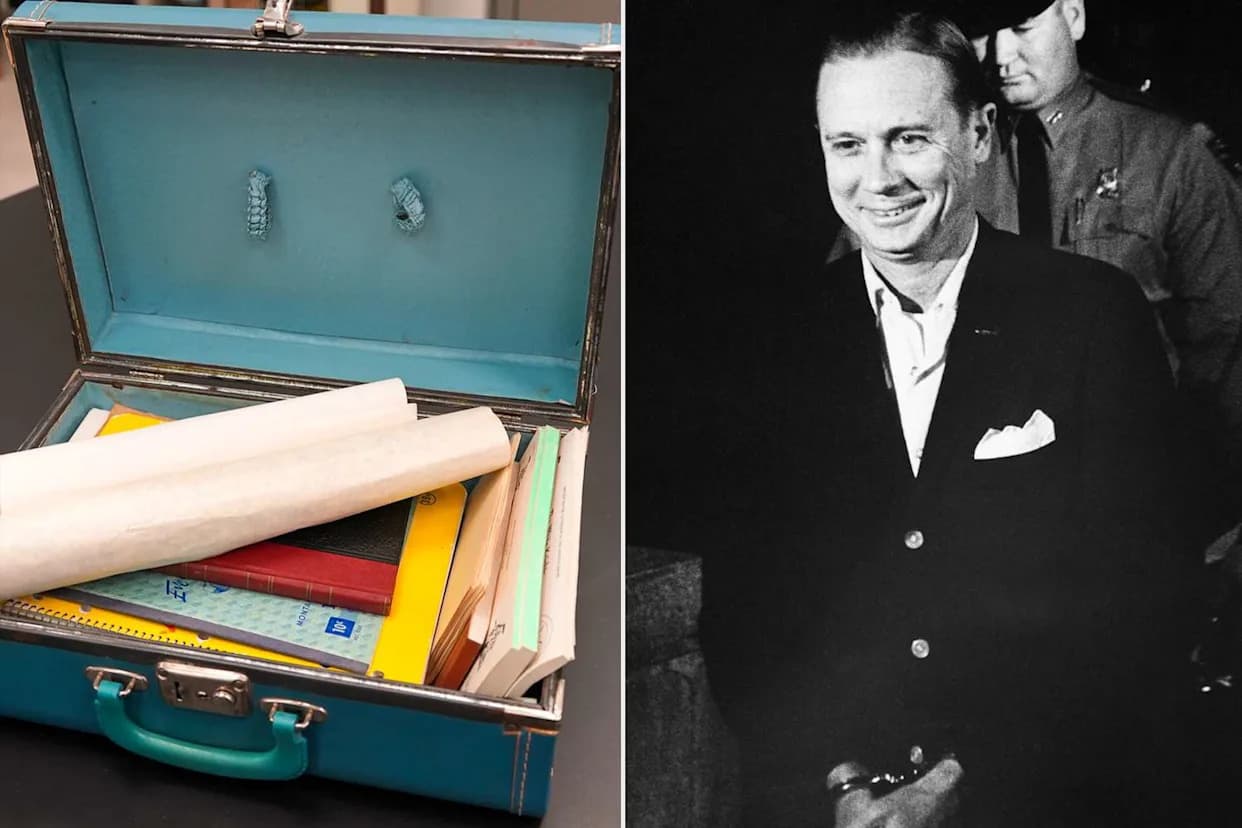
The suitcase found at DPS; Samuel H. Bowers Jr., imperial wizard of the Mississippi White Knights.Credit: Mississippi Department of Archives and History; Bettmann
Employees at the Mississippi Department of Public Safety (DPS) discovered a blue suitcase containing Ku Klux Klan regalia and documents dating to the 1960s while preparing to move to new headquarters. The cache, transferred to the Mississippi Department of Archives and History (MDAH), includes a hood and robe, meeting notes, membership lists, a harassment tactics guide and a charter linked to the White Knights of the Ku Klux Klan of Mississippi.
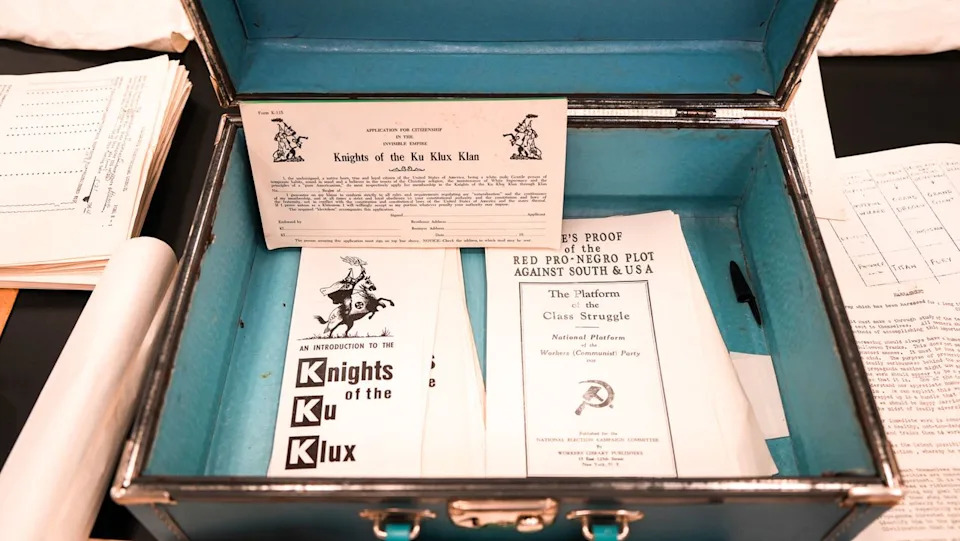
A wide array of KKK materials were found in the suitcase.Credit: Mississippi Department of Archives and History
What Was Found
- KKK robe and hood
- Meeting notes, membership lists and organizational charters
- A pamphlet titled The Ugly Truth About Martin Luther King from the United Klans of America
- Instructions recommending harassment tactics (from using lizards and snakes to slingshots)
- Folders labeled by the Mississippi Highway Patrol as "Communist Agitators" and "Freedom Riders"
Context and Reactions
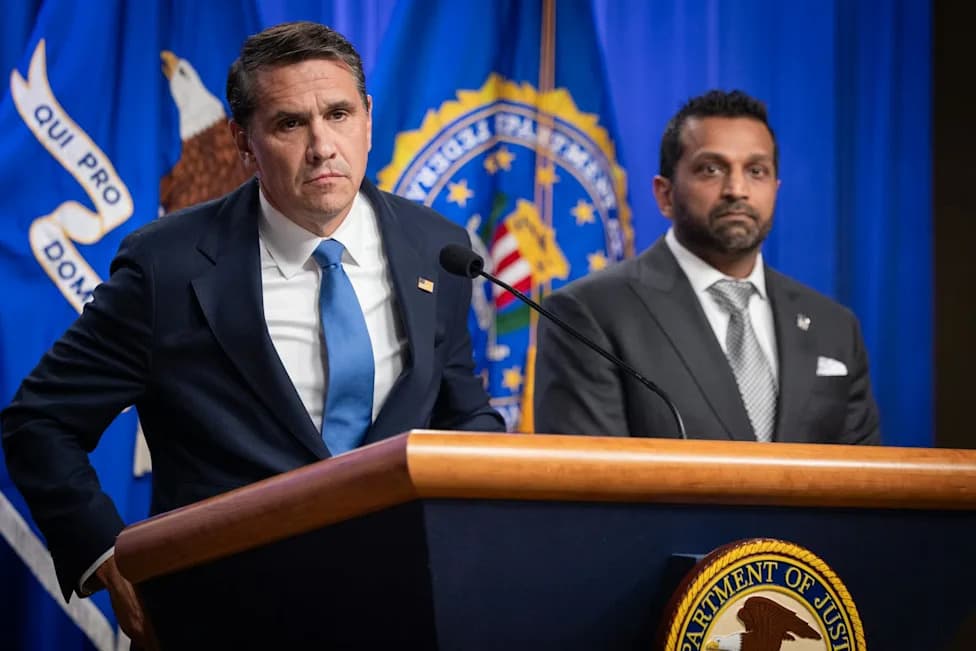
Archivists at MDAH said the collection will take months to inventory, catalogue and properly preserve before it can be made available to researchers or the public. DPS Commissioner Sean Tindell stressed the importance of preserving the artifacts so future generations understand the harm caused by white supremacist groups.
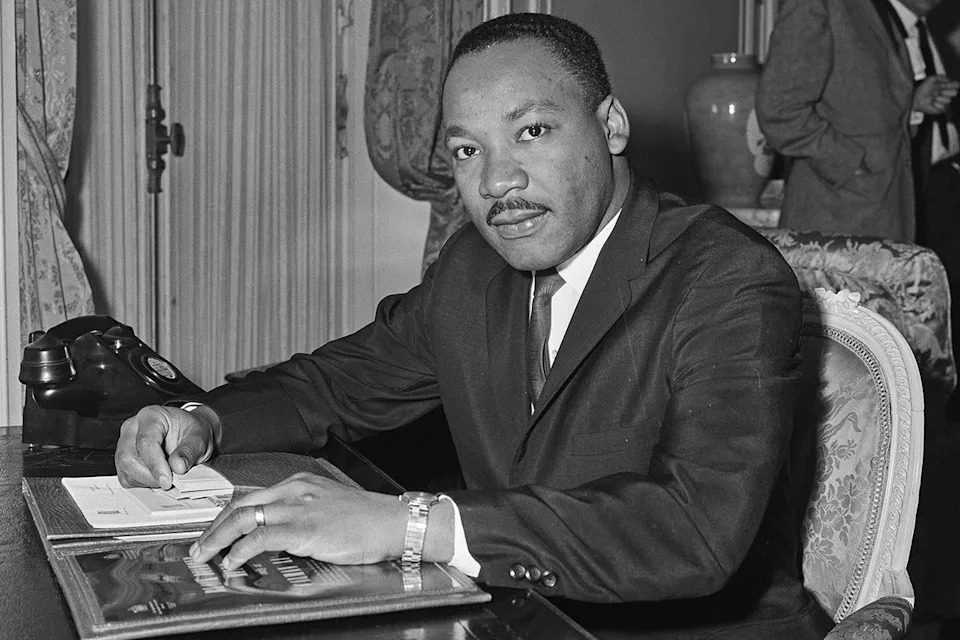
Dr. Martin Luther King Jr., an icon of the Civil Rights Movement.Credit: Evening Standard/Hulton Archive/Getty
“It provides the physical and visual proof that the Ku Klux Klan was prevalent in the state of Mississippi,” said Dr. Raja Malikah Rahim, assistant professor of History and African American Studies at the University of Mississippi. “It shows how entrenched their organization was in enacting fear and terror in the lives of Black people who lived in this state.”
Historians note the White Knights—founded in 1964 by Samuel H. Bowers Jr.—were among the most violent Klan factions in Mississippi. Researchers and reporting attribute multiple bombings, beatings, murders and wide-ranging voter intimidation to the group; the FBI later tied the White Knights to nine murders and roughly 300 terror acts. Bowers received a life sentence in 1998 for the 1966 firebombing of Vernon F. Dahmer Sr.'s home and earlier served time for his role in the 1964 murders of civil rights workers Andrew Goodman, Michael Schwerner and James Chaney.
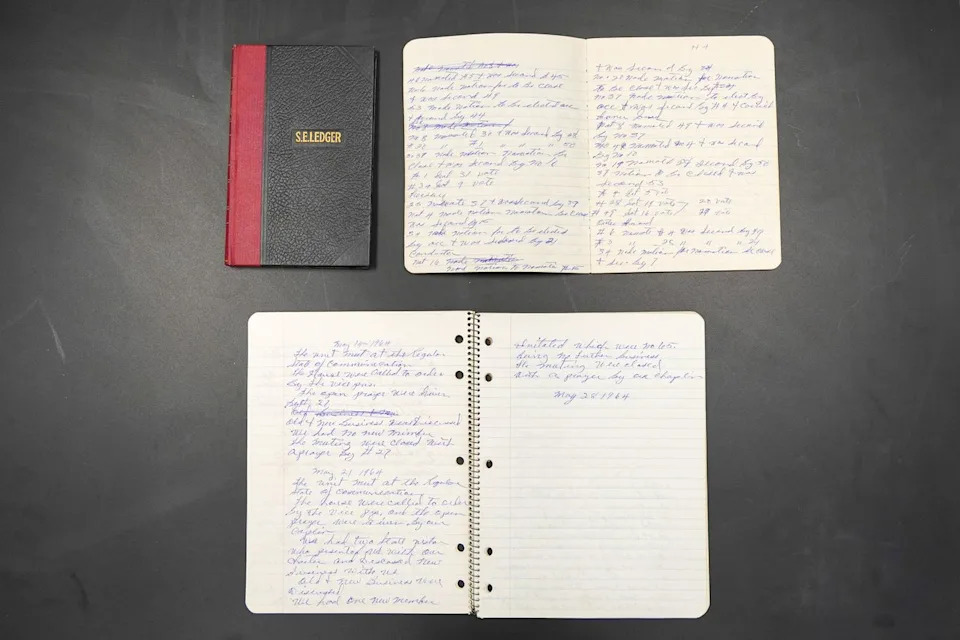
A KKK-related ledger found at DPS.Credit: Mississippi Department of Archives and History
Questions Raised
The discovery has prompted urgent questions about how these materials came to be in a state law enforcement building and whether they indicate deeper institutional ties to segregationist and white supremacist activity. Dr. Alon Milwicki of the Southern Poverty Law Center said the find forces public institutions to reckon with their proximity to organized white supremacists and called for transparency: “Who owned it? Why was it there?”
Archivists will document provenance as part of the accessioning process. Scholars say the cache is a stark reminder of how recent and pervasive racially motivated terror was in mid-20th-century Mississippi—and why preserving and studying these materials matters for public history and accountability.
Help us improve.