Global Rights Compliance compiled 21 independent testimonies from North Korean workers in Russia that allege widespread forced labor practices, including confiscated passports, extreme overtime and almost complete wage confiscation. The report says all 11 ILO indicators of forced labor are present and estimates the overseas labor program nets roughly $500 million annually for North Korea. Authors warn continued deployment of these workers may violate U.N. resolutions and call on host countries to investigate and repatriate affected laborers.
North Korean Workers Describe Brutal Forced Labor In Russia, Report Finds All 11 ILO Indicators
North Korean laborers describe brutal forced labor in Russia: 'Working like a cow, earning nothing'
A new report by the human-rights group Global Rights Compliance compiles 21 independent testimonies from North Korean laborers deployed to Russia and documents systematic abuses consistent with forced labor. Witnesses describe confiscated passports, grueling shifts, near-total wage confiscation and dehumanizing living conditions — allegations that raise questions about possible breaches of U.N. sanctions and the role of host-country employers.
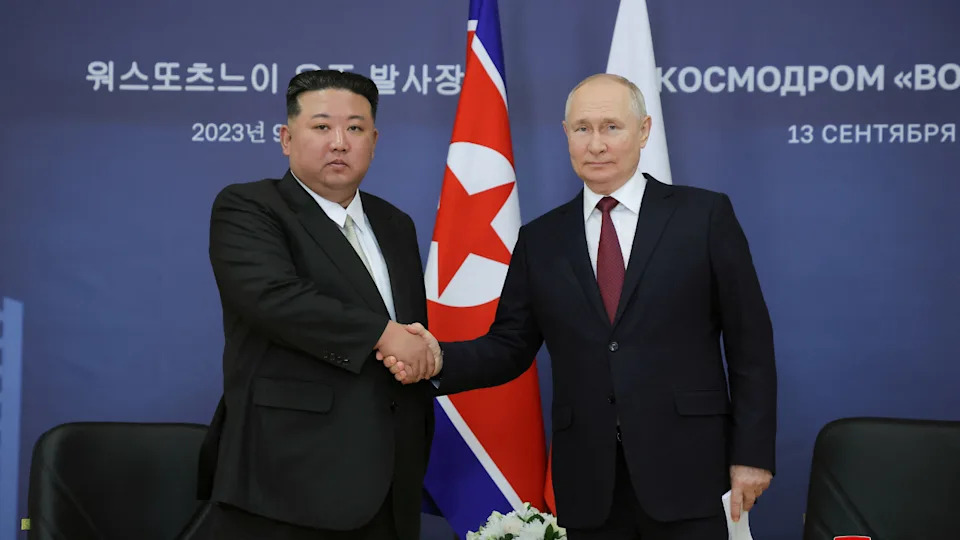
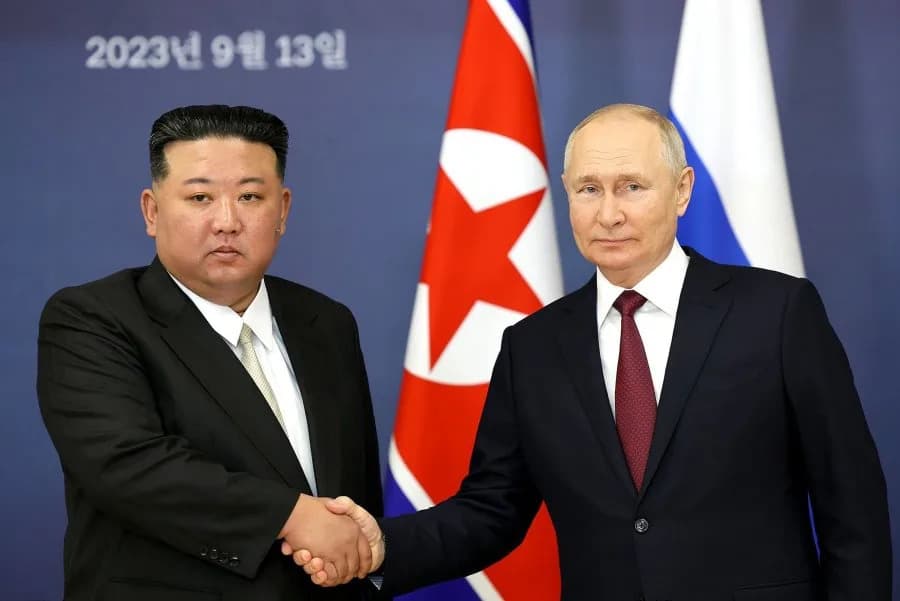
President Vladimir Putin and North Korea's leader Kim Jong Un attend a meeting in the far eastern Amur region, Russia, Sept. 13, 2023.(Reuters)
Firsthand Testimonies
One former worker, identified only by his initials "RT" to protect his identity, told Fox News Digital that he woke before 6 a.m., walked with colleagues to construction sites and worked from about 7 a.m. until 10 or 11 p.m., sometimes until midnight. "Rain, snow, it does not matter. We worked with no gloves, no heating, no protective equipment," he said. "My hands cracked so badly I could not grip the tools. But you do not stop."
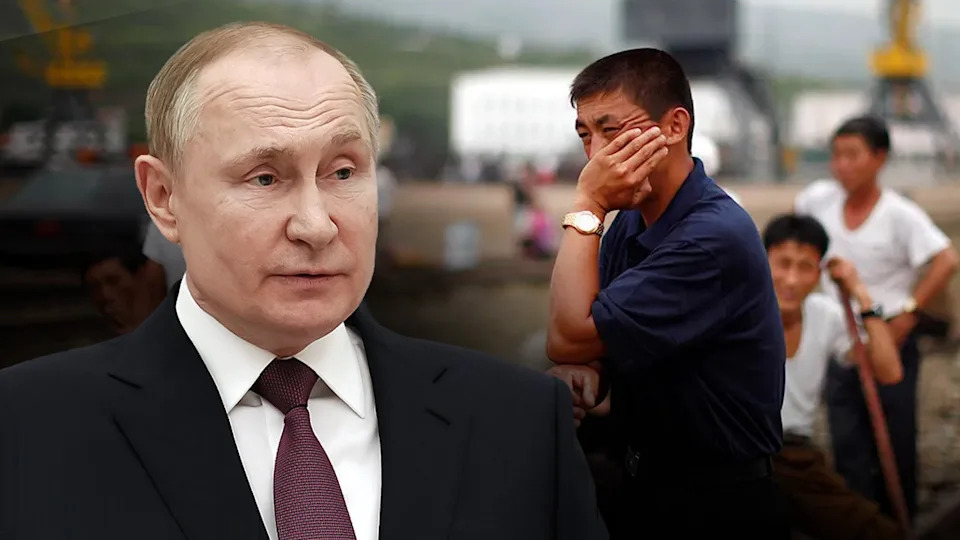
Russian President Vladimir Putin and North Korean workers in the northeast of Pyongyang, Aug. 30, 2011.
"The money was not mine. It was never going to be mine," RT said, describing mandatory state deductions and the crushing quota system.
Wages, Quotas And Debt Bondage
According to the report and interviews cited by Global Rights Compliance, a typical worker is credited with about $800 a month for up to 420 hours of work. But between $600 and $850 may be deducted for the mandatory quota (the gukga gyehoekbun), with additional charges for travel debt and communal living. After deductions, some workers were left with roughly $10 a month. Shortfalls were carried forward, trapping some workers in debt for months or longer.
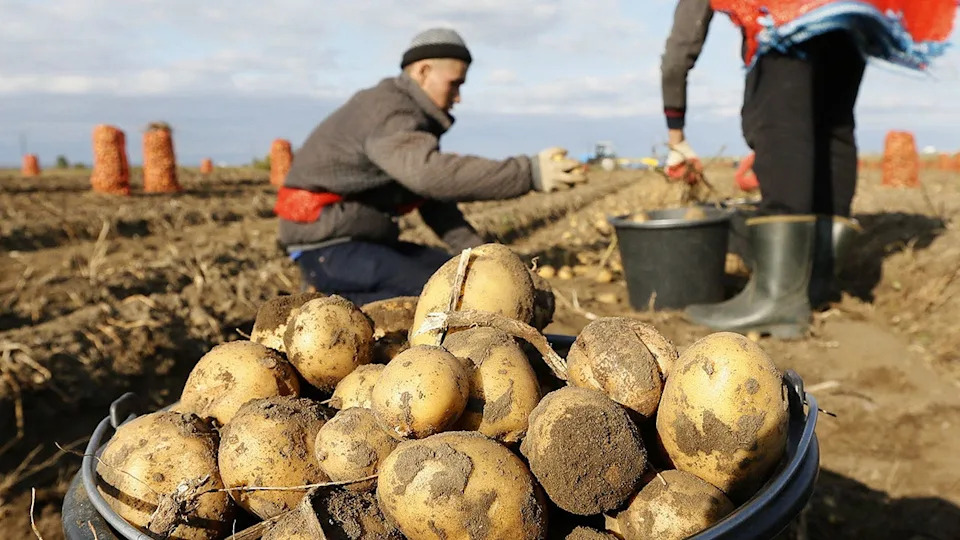
Migrant workers harvest potatoes in a private field in the Beryozovsky district of Krasnoyarsk region, Russia, Sept. 8, 2017.
Living And Working Conditions
The report documents severe restrictions on freedom of movement and the immediate confiscation of passports upon arrival, reportedly held by North Korean security personnel. Workers described crowded shipping containers infested with pests, extremely limited access to showers, scarce days off and near-constant surveillance. Several accounts included physical violence and collective punishments used to enforce compliance.
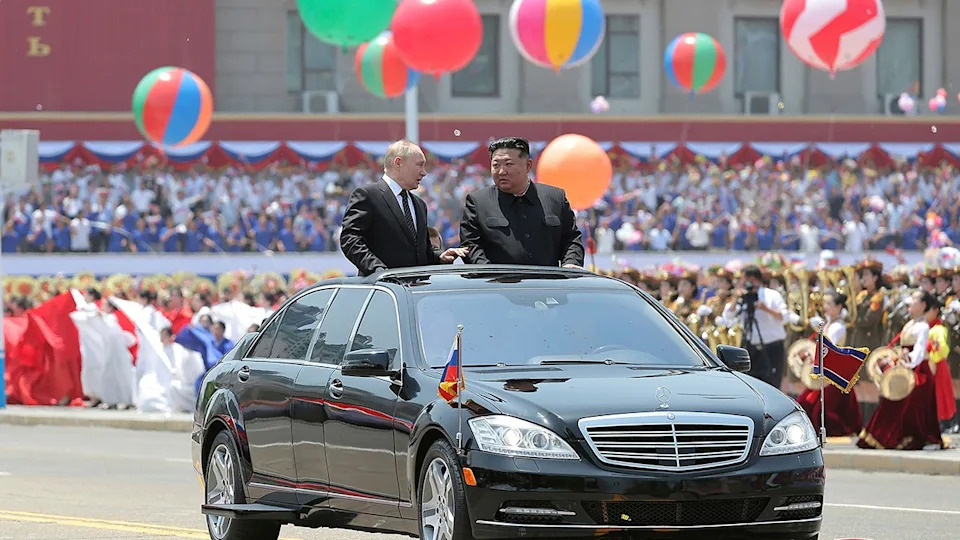
In this photo provided by the North Korean government, Russian President Vladimir Putin and North Korea's leader Kim Jong Un ride on an open car, during the official welcome ceremony at the Kim Il Sung Square in Pyongyang, North Korea, June 19, 2024.
- Long shifts reported—often 12–16 hours per day—with no formal breaks and production targets dictating work hours.
- Passports confiscated on arrival and movement restricted; outings tightly controlled and conducted only in groups.
- Overcrowded, unsanitary accommodation and sparse hygiene access; some workers reported being beaten and unable to work for weeks.
Legal And Geopolitical Implications
The report says it identified all 11 International Labour Organization (ILO) indicators of forced labor across the testimonies, including debt bondage, withheld wages, deception, isolation and abusive conditions. Global Rights Compliance estimates the overseas labor program generates about $500 million annually for North Korea, revenues the organization says help sustain elite networks and potentially underwrite military priorities.
Authors warn that continued deployment of North Korean laborers in violation of U.N. Security Council resolutions — which call for repatriation of such workers — could amount to sanctions evasion. The report also cites separate allegations that North Korea has provided weapons and personnel in support of Russia’s war in Ukraine, raising broader geopolitical concerns.
Responses And Next Steps
Fox News Digital contacted the Russian Ministry of Foreign Affairs and North Korea’s U.N. mission for comment; no responses had been received at the time of reporting. Global Rights Compliance and surviving workers urge host countries, international bodies and civil-society groups to investigate, ensure repatriation where appropriate, and hold complicit employers to account.
RT — one of the few who escaped — said he now feels a duty to speak out: "We are people just like you but working like a cow. We left home to give our children something better, and what we found was a system that took everything from us." He warned thousands may still be trapped and called on the international community to act.
Help us improve.