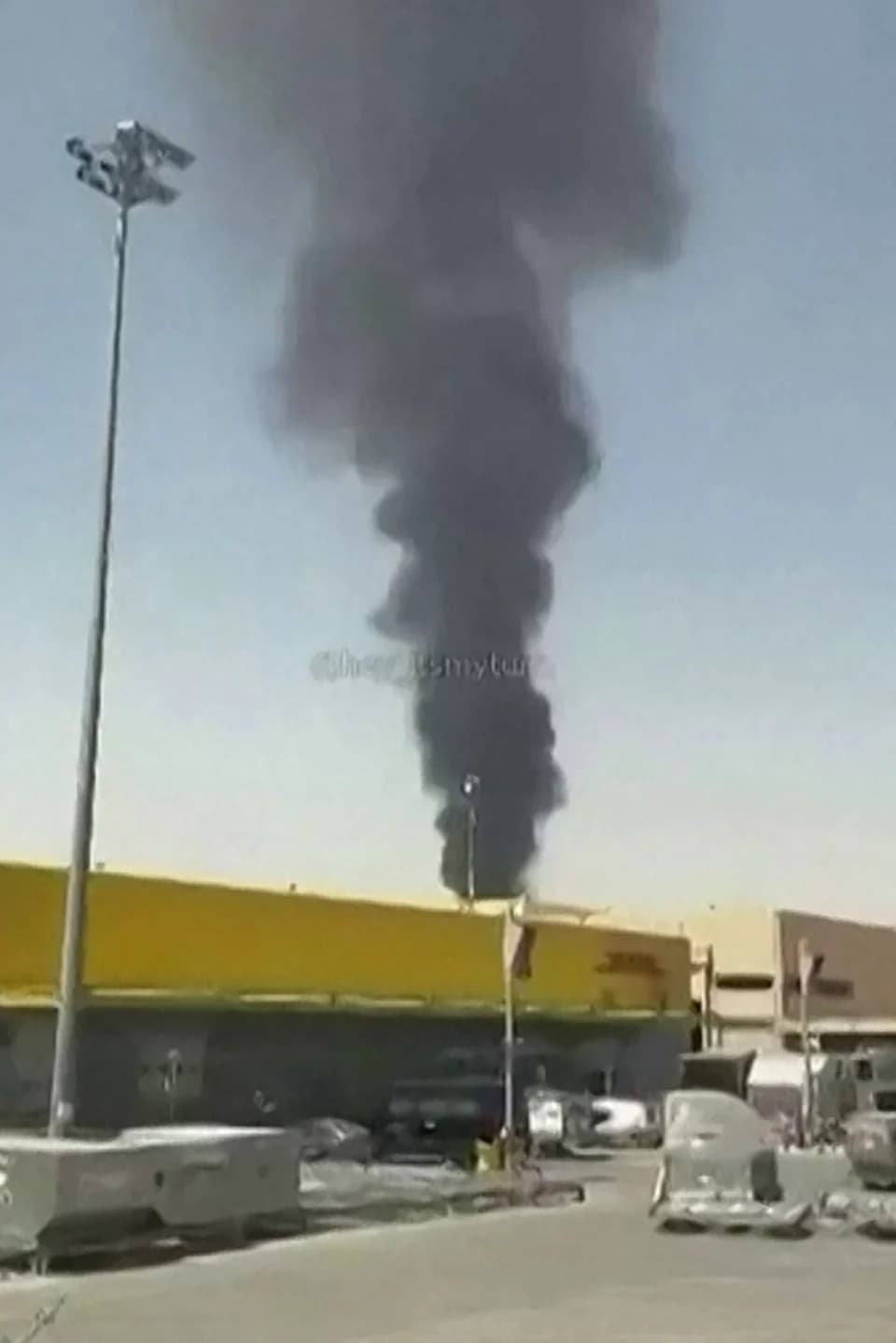
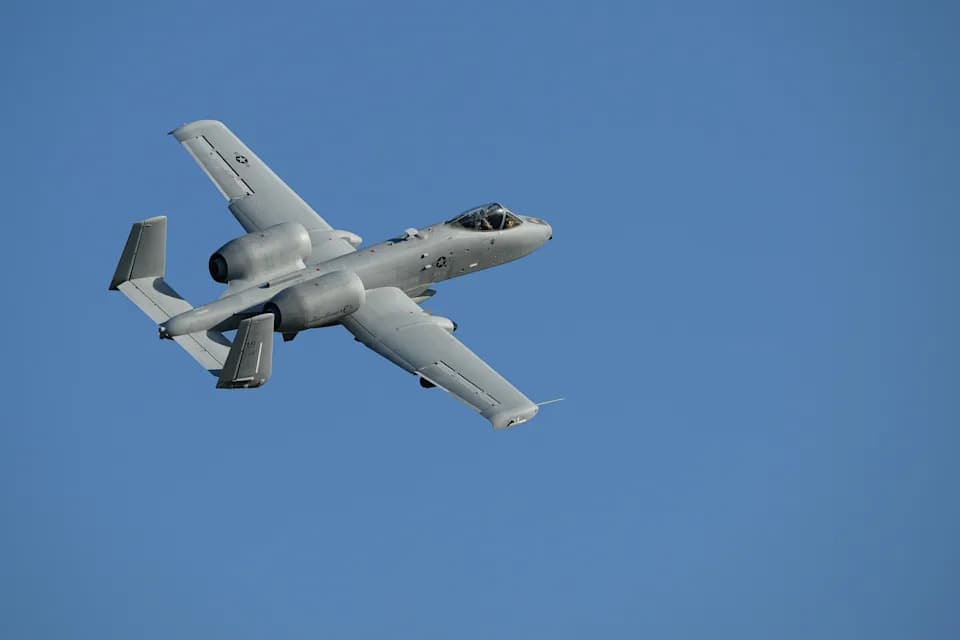
On March 27, an Iranian missile-and-drone strike on Prince Sultan Air Base in Saudi Arabia wounded 12 U.S. service members — two seriously and 10 with concussions — and damaged multiple U.S. refueling aircraft. Officials said at least one missile struck the base and several aerial vehicles, which were reportedly unmanned. The attack is among the most significant breaches of U.S. air defenses in the ongoing conflict, which has produced thousands of casualties and disrupted global energy markets.
12 U.S. Service Members Wounded in Major Iranian Missile-and-Drone Strike on Prince Sultan Air Base
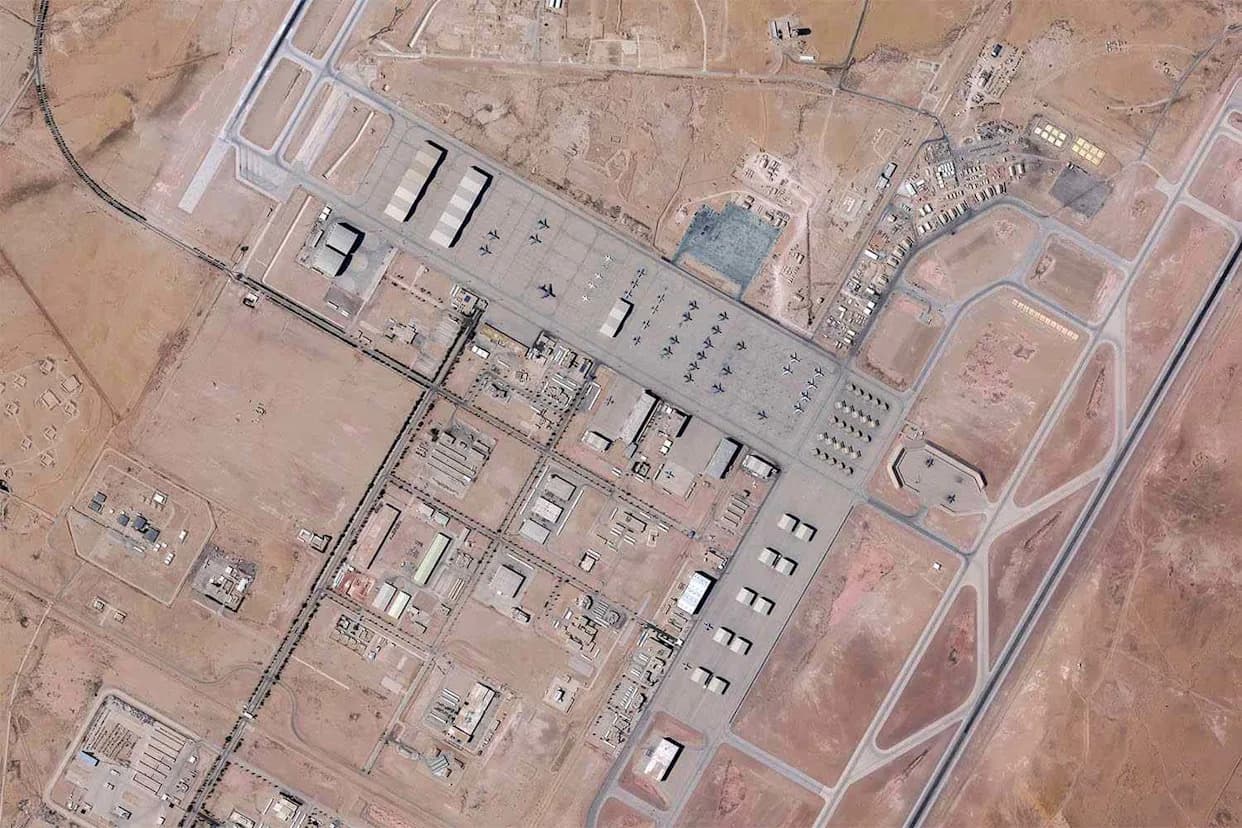
Prince Sultan Air Base in Saudia Arabia, pictured on Feb. 21, 2026
On March 27, an Iranian missile-and-drone strike hit Prince Sultan Air Base in Saudi Arabia, wounding 12 U.S. service members, U.S. officials told major news outlets.
Injuries and Damage
Two service members were reported to have sustained serious injuries, while the other 10 suffered concussions, according to reporting by The New York Times and The Wall Street Journal. The strike damaged multiple U.S. aerial refueling aircraft stationed at the base; officials told The Wall Street Journal that at least one missile impacted the base itself and struck several aerial vehicles that were reportedly unmanned at the time.
Scope of the Attack
Iranian forces used a mix of missiles and attack drones in the strike. News outlets described the March 27 attack as one of the more significant penetrations of U.S. air defenses since the wider conflict began.
Previous Incidents
This was the second reported strike on Prince Sultan Air Base during the conflict. Earlier reporting indicated that a previous attack damaged five refueling aircraft at the same facility.
Donald Trump on March 9Credit: SAUL LOEB / AFP via Getty
Wider Conflict And Regional Impact
The current hostilities escalated after joint U.S.-Israeli strikes on Iran in late February. U.S. officials have referred to that operation as "Operation Epic Fury." Iran vowed retaliation after those strikes. Reporting on leadership developments inside Iran varies, and some claims remain unverified by independent sources.
Fighting across the region — including an incursion into Lebanon — has produced large numbers of casualties. Officials say at least 13 U.S. service members have died during the conflict so far; U.S. officials reported that the first six U.S. fatalities occurred when Iran struck a makeshift U.S. base in Kuwait in early March.
Economic Consequences
The conflict has also disrupted global energy markets. Iran has restricted transit through the Strait of Hormuz, a key shipping lane for oil, contributing to higher crude prices. In the United States, the average retail price for a gallon of regular gasoline has approached $4, according to AAA.
Political Responses
The U.S. administration has provided varying timelines and explanations about how and when the conflict might end. President Donald Trump said the war would be over "when I feel it in my bones," and he posted on Truth Social on March 23 that the U.S. had engaged in "very good and productive conversations regarding a complete and total resolution of our hostilities in the Middle East," announcing a five-day delay of previously threatened strikes on Iranian power plants. Iranian officials denied that any such talks had taken place.
Outlook
Officials and analysts warn that the situation remains fluid. Investigations into the March 27 strike and assessments of air-defense performance are ongoing, and further developments could affect both regional stability and global energy markets.
Help us improve.