The Israeli military said it struck the headquarters of Iran's Marine Industries Organisation in Tehran during a series of overnight attacks that produced loud blasts and a plume of smoke across the capital.
Strikes on Tehran
Israeli forces described the targeted facility as a developer of "a wide range of naval weaponry, including surface and sub-surface vessels, (and) manned and unmanned equipment." An AFP journalist in Tehran reported intense explosions and visible black smoke. An Israeli military spokesman said attacks on Iran's military industry had intensified and vowed to continue targeting "critical components."
Some media outlets circulated claims that US and Israeli strikes had killed Iran's supreme leader, Ayatollah Ali Khamenei. These reports remain unverified and are widely disputed; official Iranian statements have not confirmed his death.
"I miss a peaceful night's sleep," an artist in Tehran told AFP. "The strikes were so intense it felt like all of Tehran was shaking. We don't want this war — we just want a normal, simple life."
Houthi Involvement and Red Sea Threats
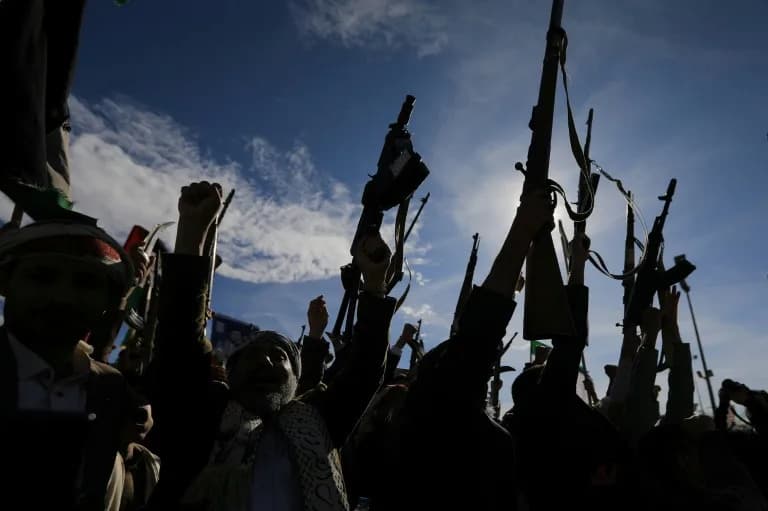
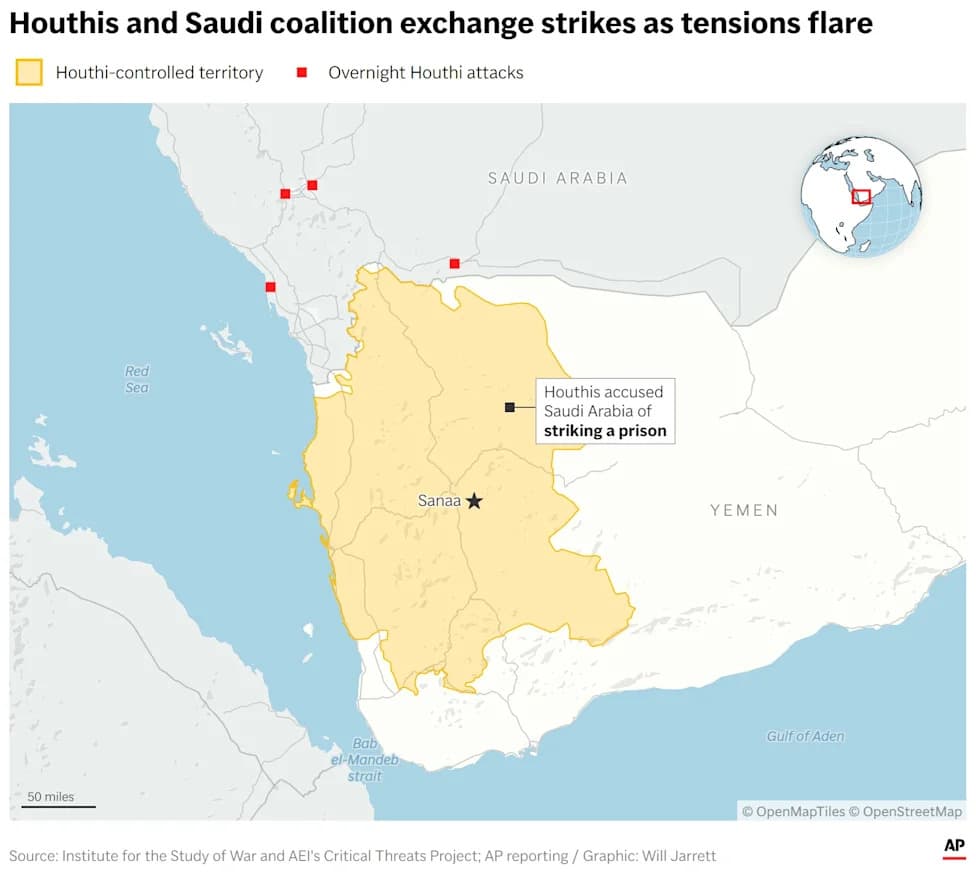
Yemen's Houthi rebels announced they had entered the wider Middle East conflict by saying they launched a missile toward Israel. The Israeli military said it identified a missile launch from Yemen that was reportedly intercepted. Analysts warn Houthi attacks could further disrupt shipping through the Red Sea, adding to the economic impact caused by the near closure of the Strait of Hormuz.
Regional Diplomacy and Mediation
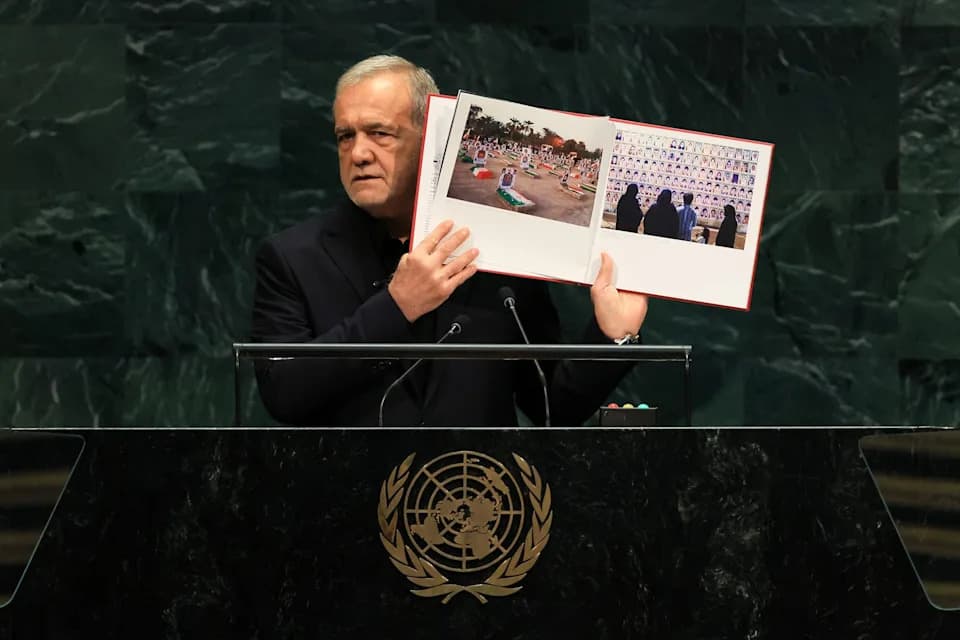
Pakistan — which has acted as an intermediary between Washington and Tehran — will host foreign ministers from Saudi Arabia, Turkey and Egypt for talks aimed at de-escalation. Iranian President Masoud Pezeshkian thanked Islamabad for its mediation efforts. German and US officials have indicated they expect diplomatic contacts or meetings in the coming days, though no formal breakthrough has been announced.
Impact on Trade, Infrastructure and Civilians
Shipping and logistics have been hit across the Gulf and adjacent seas. Saudi Arabia has rerouted some oil exports via the Red Sea port of Yanbu to avoid the Strait of Hormuz. Many Gulf shipments are now transiting via Oman's port of Salalah after the Hormuz route became effectively impassable for some carriers; Danish operator Maersk suspended operations at Salalah following a drone strike that injured a worker and damaged a crane.
Iranian forces reported targeting a US logistics vessel near Salalah, and Omani authorities said a drone attack on the port wounded a foreign worker. Airports in Kuwait and Erbil reported damage to facilities. In the UAE, missiles and drones struck the Khalifa Economic Zone in Abu Dhabi, igniting fires and injuring six people; Emirates Global Aluminium reported significant damage.
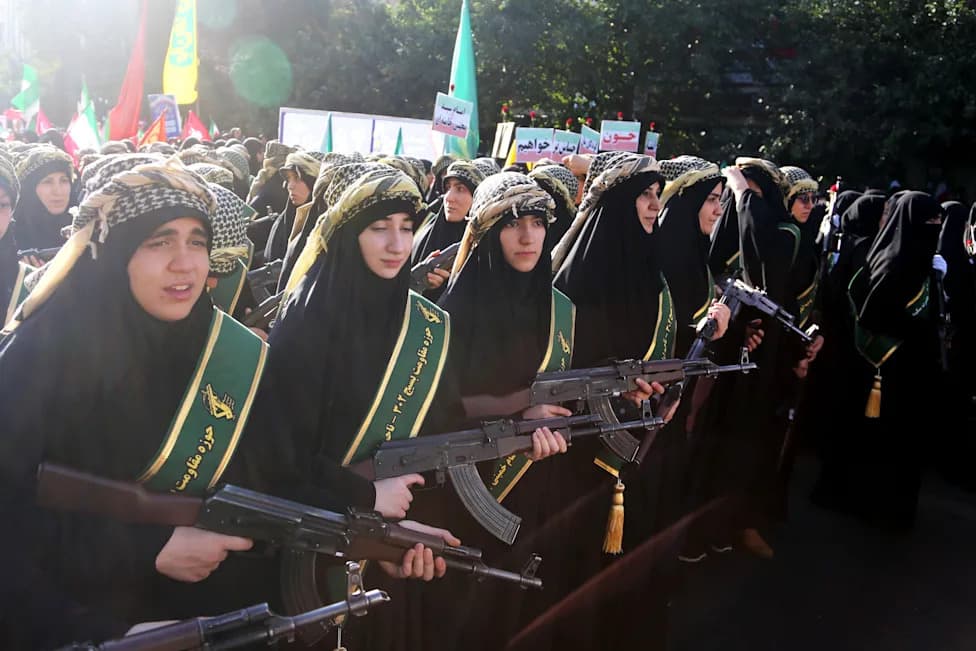
In Iran, Khuzestan Steel Company reported a temporary production halt after recent strikes. The Islamic Revolutionary Guard Corps (IRGC) warned it would retaliate for economic damage by targeting industrial sites across the region and said it had found and dismantled around 120 unexploded cluster munitions it attributed to recent strikes.
Other Developments
A reported Iranian missile and drone attack on Prince Sultan Air Base in Saudi Arabia wounded US service members, according to US media citing unnamed officials. Meanwhile, Ukraine's President Volodymyr Zelensky traveled to Gulf states to offer Kyiv's expertise in anti-drone systems and announced long-term cooperation agreements with several Gulf countries.
The security situation remains fluid, with diplomatic initiatives underway and the risk of further economic and civilian impacts increasing as regional actors respond and counter-respond.