U.S. District Judge Rita Lin temporarily enjoined the Pentagon from enforcing its designation of Anthropic as a national security supply‑chain risk, finding the record supported an inference of First Amendment retaliation and delaying enforcement for seven days to allow an appeal. The action followed Anthropic’s refusal to permit use of its Claude AI for U.S. surveillance or autonomous weapons. The Justice Department says the designation stemmed from contractual and operational concerns; Anthropic says it was punished for criticizing government contracting policy. A related suit over a separate Pentagon designation is pending in Washington, D.C.
Judge Temporarily Blocks Pentagon’s Blacklisting Of Anthropic, Citing Possible First Amendment Retaliation
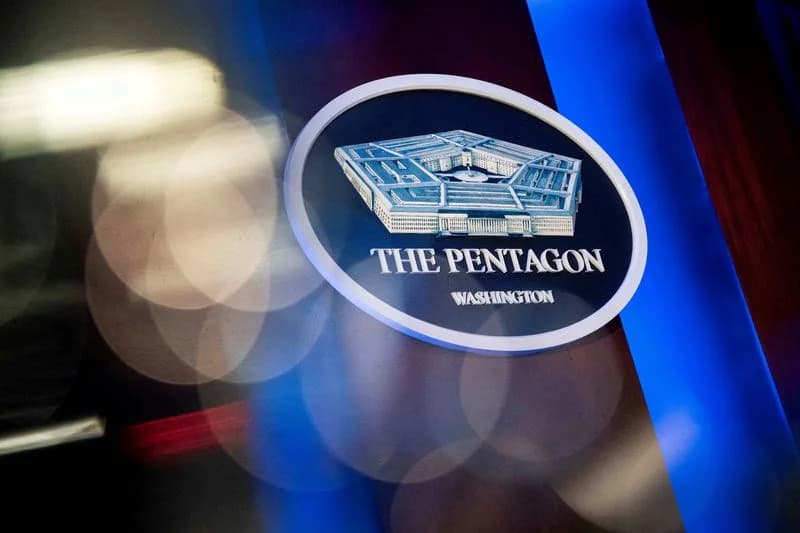
FILE PHOTO: The Pentagon logo is seen behind the podium in the briefing room at the Pentagon in Arlington, Virginia, U.S., January 8, 2020. REUTERS/Al Drago/File Photo
A U.S. federal judge on Thursday issued a temporary injunction preventing the Department of Defense from enforcing its designation of Anthropic as a national security supply‑chain risk, a significant development in the AI developer’s dispute with the Pentagon over battlefield uses of artificial intelligence.
In a lawsuit filed in California federal court, Anthropic argued that Defense Secretary Pete Hegseth exceeded his statutory authority when he labeled the maker of the Claude chatbot a supply‑chain risk — a designation the government can use for firms it believes could expose military systems to infiltration or sabotage.
Anthropic contended the designation violated its First Amendment rights by effectively punishing the company for its public stance on AI safety and that it was denied procedural protections under the Fifth Amendment because it had no meaningful opportunity to contest the label before it was applied.
U.S. District Judge Rita Lin, an appointee of President Joe Biden, agreed with Anthropic in a detailed 43‑page opinion. Judge Lin found the record supported an inference that the administration’s actions appeared retaliatory rather than solely grounded in stated national security concerns. She nevertheless stayed the injunction for seven days to give the government time to seek an appeal.
"The record supports an inference that Anthropic is being punished for criticizing the government’s contracting position in the press," Judge Lin wrote. "Punishing Anthropic for bringing public scrutiny to the government’s contracting position is classic illegal First Amendment retaliation."
The designation followed Anthropic’s refusal to allow the military to use its Claude AI for U.S. surveillance or in autonomous weapon systems. The Pentagon’s label barred Anthropic from some Department of Defense contracts; company executives have warned the action could cost the firm billions in lost revenue and damage its reputation.
The Justice Department has argued the designation arose from Anthropic’s refusal to accept certain contractual terms, creating uncertainty about how Claude could be used and potentially risking the disabling of military systems during operations. The government says the action was based on contractual and operational concerns, not the company’s public views on AI safety.
Anthropic’s spokesperson, Danielle Cohen, said the company welcomed the ruling and remains focused on working productively with the government to advance safe, reliable AI. Anthropic also has a second, separate lawsuit pending in Washington, D.C., challenging another Pentagon supply‑chain risk designation that could exclude the company from civilian government contracts.
What This Means
The ruling raises immediate questions about the limits of executive authority over procurement labels and the ability of private tech firms to speak publicly about safety and ethics without risking government retaliation. The case may shape how the government balances operational security with First Amendment protections and could influence future interactions between AI developers and the military.
Help us improve.