The Iran‑aligned Houthi movement says it is prepared to strike in support of Tehran, potentially targeting the Bab al‑Mandab Strait — a narrow Red Sea chokepoint that funnels traffic to the Suez Canal. Renewed Houthi attacks could further disrupt global shipping and oil flows, especially after restrictions through the Strait of Hormuz shifted more traffic toward the Red Sea. The Houthis paused attacks after a U.S.‑brokered ceasefire in October 2025 but say timing and tactics remain under leadership control.
Houthis Say They Are Ready To Open A New Front With Iran — Bab al‑Mandab Shipping At Risk
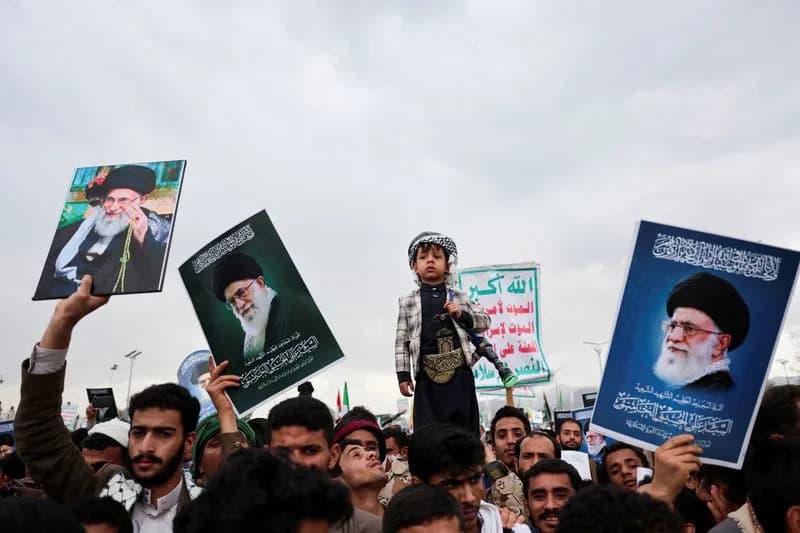
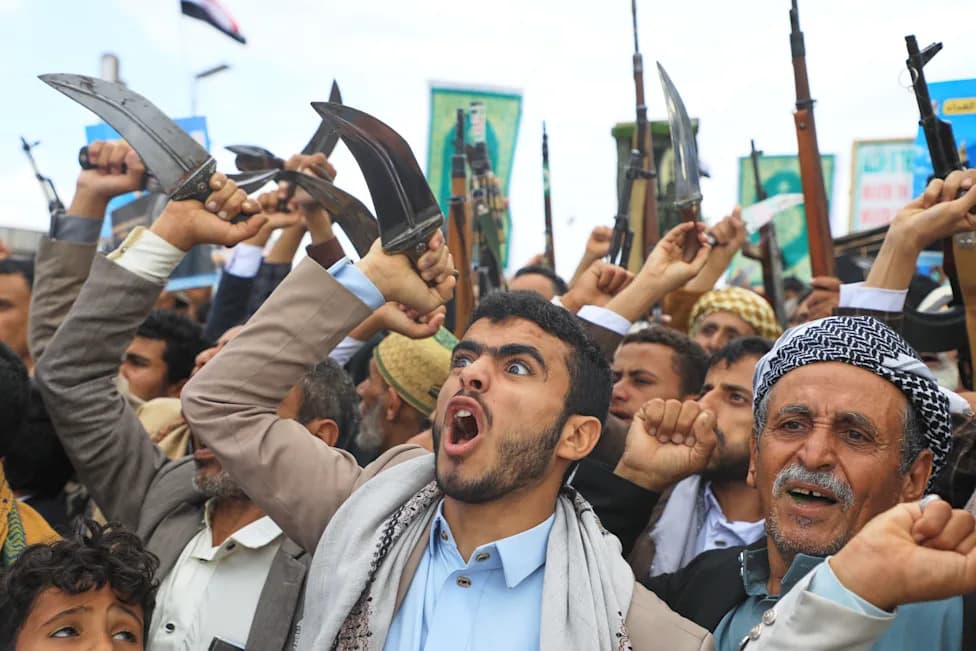
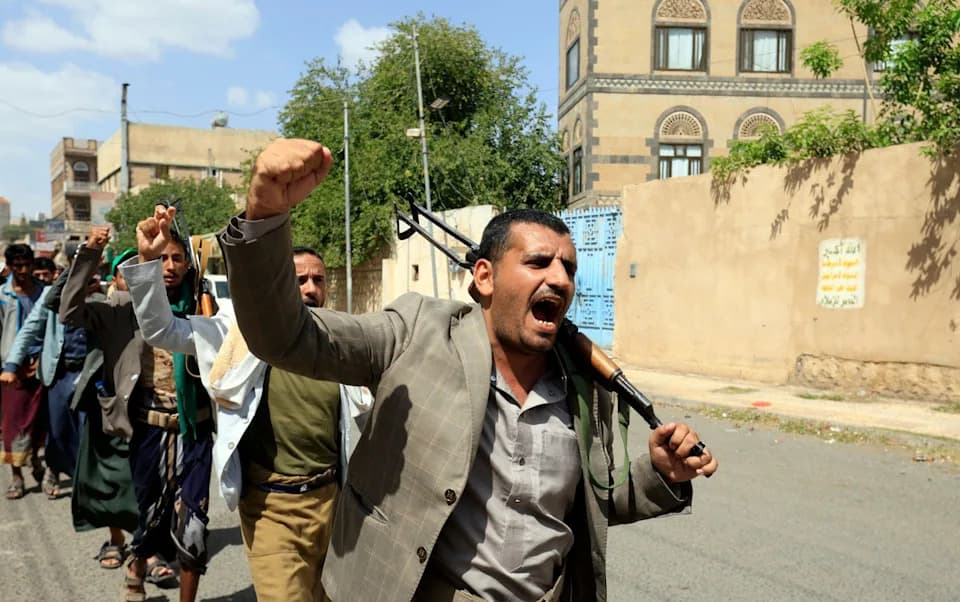
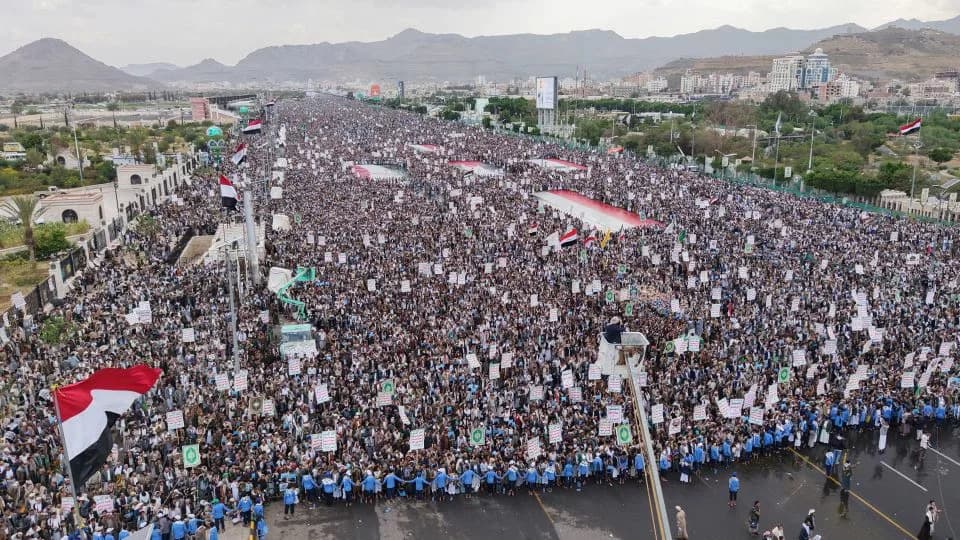
A boy stands as he joins Houthi supporters during a demonstration in solidarity with Iran and Lebanon, amid the U.S.-Israeli conflict with Iran, in Sanaa, Yemen March 6, 2026. REUTERS/Khaled Abdullah TPX IMAGES OF THE DAY
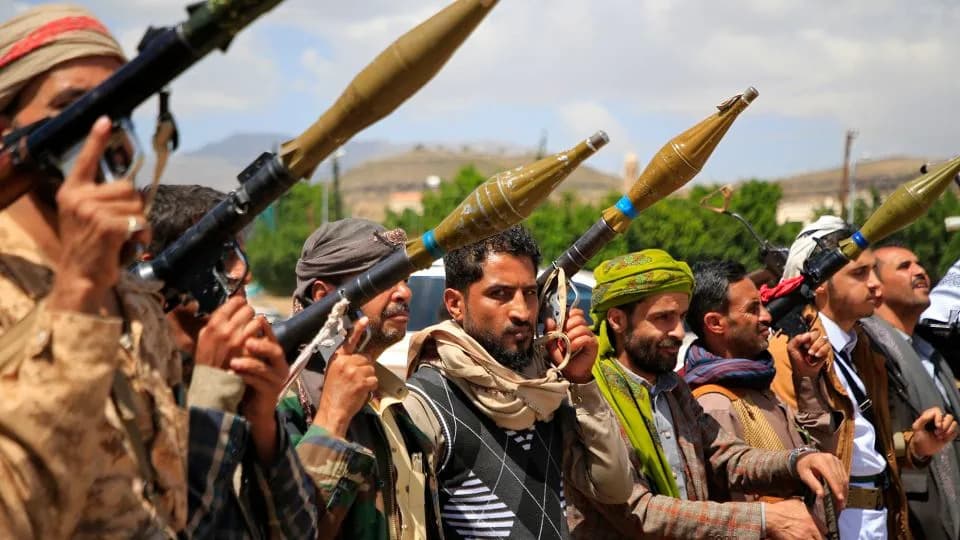
ADEN/GENEVA, March 26 — Yemen's Iran‑aligned Houthi movement says it is militarily prepared to strike again in solidarity with Tehran, a Houthi commander told Reuters, a move that could further disrupt global shipping and energy markets already shaken by the wider Middle East conflict.
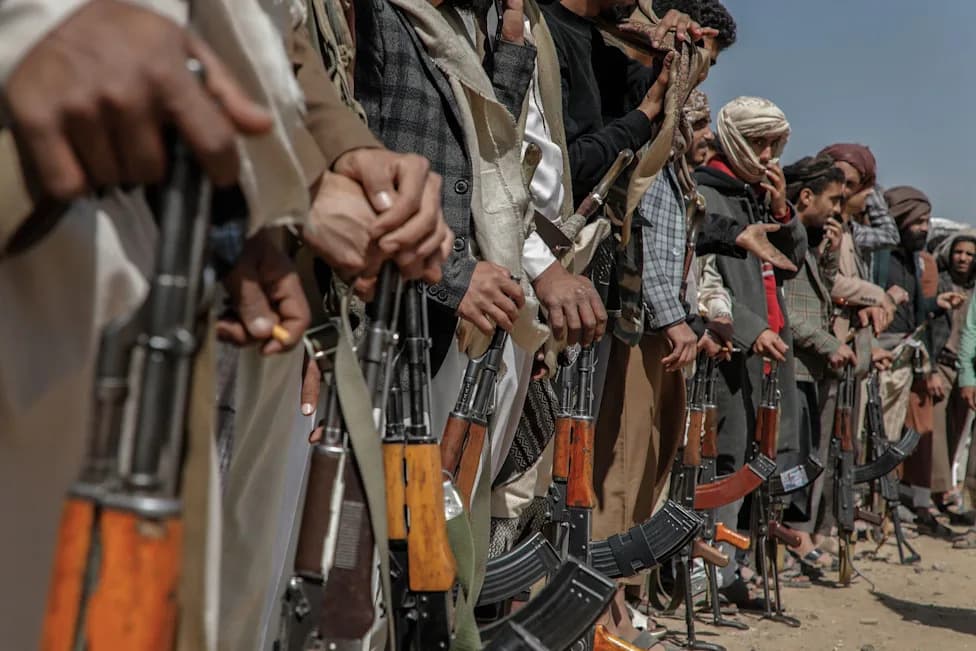
The Houthis, who previously attacked vessels in the Red Sea during the Gaza war, have so far not engaged directly in the broader confrontation involving Iran's regional allies. But the group says it is "fully militarily ready with all options," and said tactical timing would be decided by its leadership.
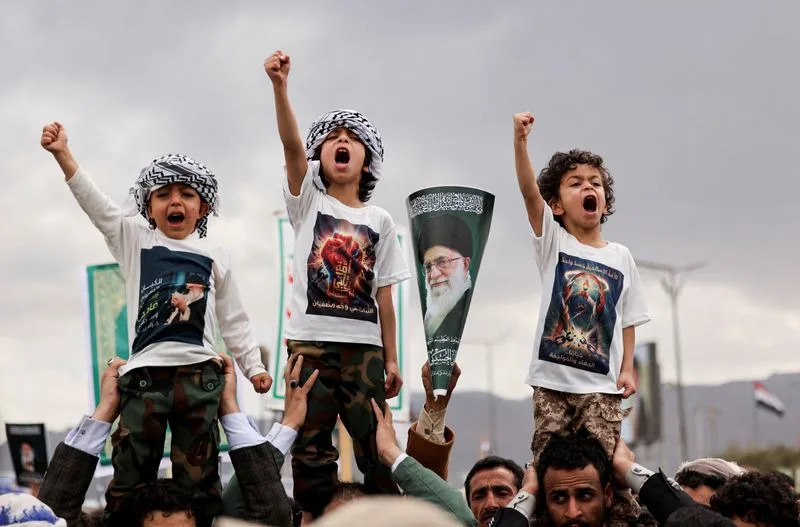
Boys chant slogans as they join Houthi supporters during a demonstration in solidarity with Iran and Lebanon, amid the U.S.-Israeli conflict with Iran, in Sanaa, Yemen March 6, 2026. REUTERS/Khaled Abdullah
"We stand fully militarily ready with all options. As for other details having to do with determining zero hour they are left to leadership and we are monitoring and following up with the developments and will know when is the suitable time to move," a Houthi leader who asked not to be named told Reuters. "Until now Iran is doing well and is defeating the enemy every day and the battle is going in its direction. If anything contrary to this happens then we can assess."
Why Bab al‑Mandab Matters
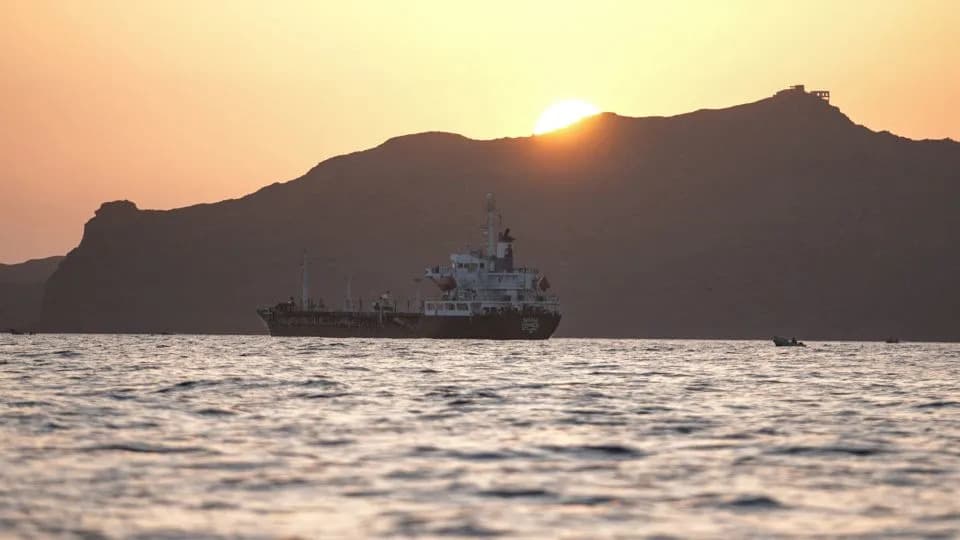
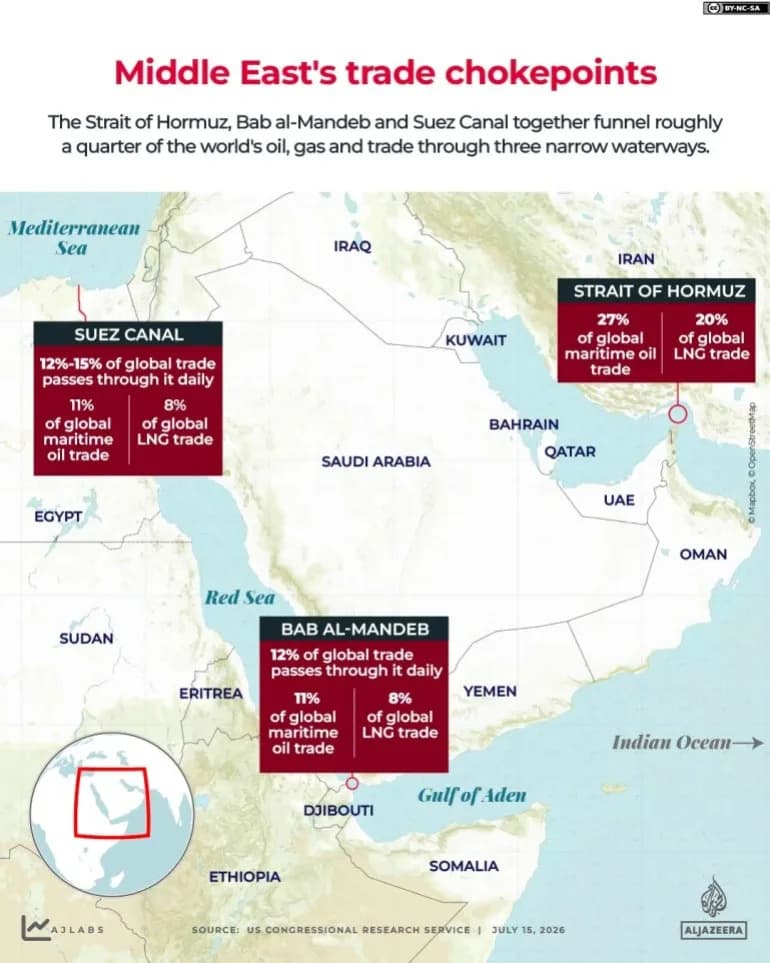
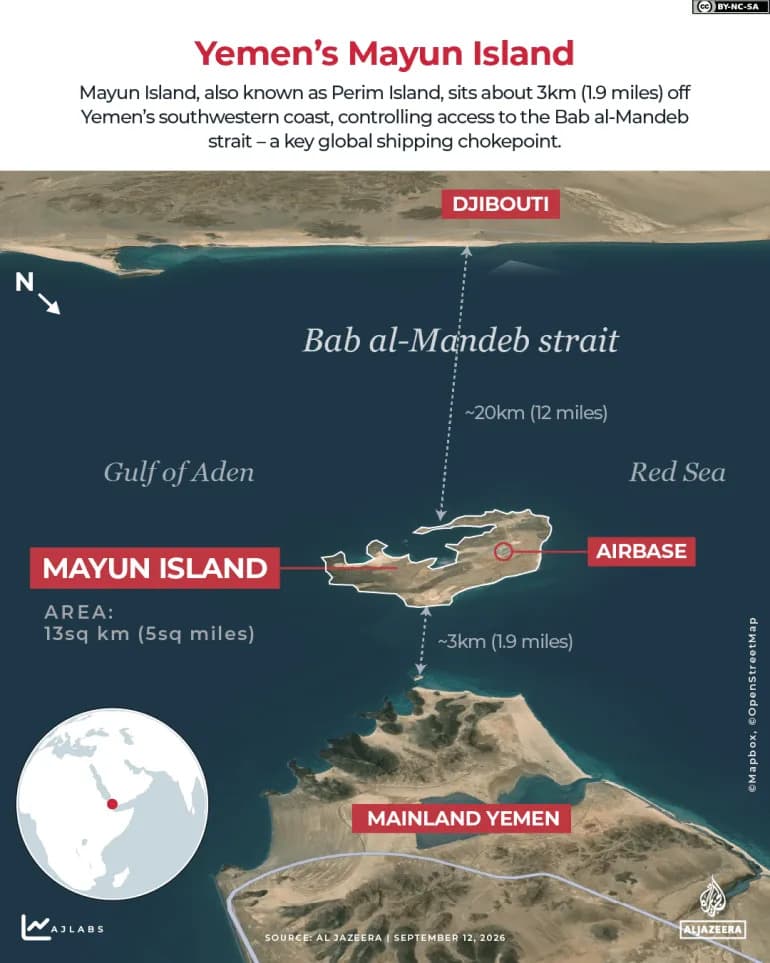
One of the most likely flashpoints is the Bab al‑Mandab Strait off Yemen's coast — a narrow chokepoint that links the Red Sea to the Gulf of Aden and the Suez Canal. The strait narrows to about 18 miles (29 km) at its tightest point, funneling traffic into two main lanes and making it highly vulnerable to disruption.
Any sustained Houthi campaign there could re-route or delay shipments of crude oil, refined fuels and other goods between the Gulf, the Mediterranean and Asia, amplifying already elevated energy and shipping costs caused by reduced transits through the Strait of Hormuz.
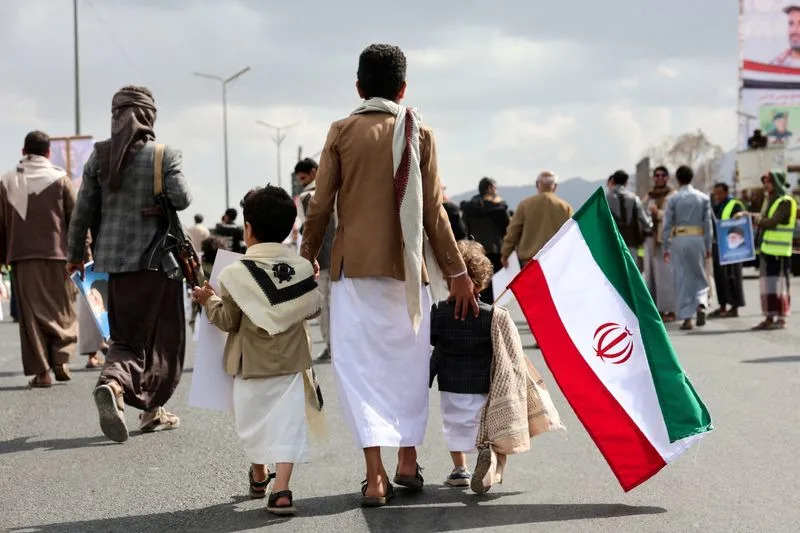
A person walks with children as Houthi supporters demonstrate in solidarity with Iran and Lebanon, amid the U.S.-Israeli conflict with Iran, in Sanaa, Yemen. REUTERS/Khaled Abdullah
Regional Context And Risk
Iran's Shiite allies in Lebanon and Iraq have already taken part in the regional escalation triggered by U.S. and Israeli strikes on Iran. Tehran has also warned it could widen operations if its territory or islands are attacked, according to a statement carried by the semi‑official Tasnim news agency.
After the Oct. 7, 2023 Hamas attack on Israel and the subsequent Gaza war, the Houthis mounted strikes on international shipping in the Red Sea framed as solidarity with the Palestinians. They halted those strikes following a U.S.‑brokered ceasefire between Israel and Hamas in October 2025.
Analysts and some diplomats say the Houthis may be waiting for the most advantageous moment to join any wider campaign, potentially coordinating with Iran to maximize pressure on Gulf states and international shipping.
Implications: Renewed Houthi attacks in Bab al‑Mandab would threaten a critical global trade artery, risk higher insurance and freight costs, and could deepen disruptions to oil flows already affected by fighting elsewhere in the region.
Help us improve.