Diplomacy has stalled as fighting continues: Iran rejected a U.S. 15-point ceasefire plan and issued its own demands while military strikes and maritime controls intensified. Tehran is moving to formalize oversight of the Strait of Hormuz and reportedly charging transit fees, raising legal and economic concerns. The conflict has caused thousands of deaths, displaced millions, pushed oil prices higher and triggered regional alerts and market declines.
Diplomacy Stalls as Missiles Continue: Iran, U.S. Clash Over Ceasefire While Hormuz Tensions Rise
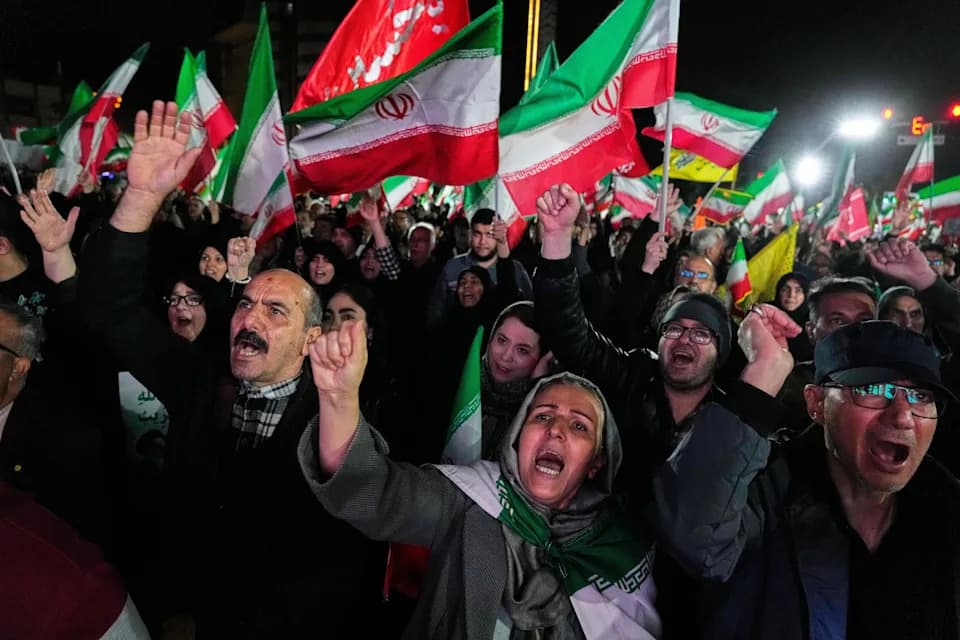
Pro-government supporters chant slogans and wave Iranian flags during a rally, in a square in western Tehran, Iran, Wednesday, March 25, 2026. (AP Photo/Vahid Salemi)(ASSOCIATED PRESS)
Diplomatic efforts between the United States and Iran showed little progress Thursday as both sides issued contrasting statements while missile strikes and military activity continued across the region. Tehran rejected a U.S. 15-point ceasefire proposal and put forward its own demands even as its forces — and those of its adversaries — carried out strikes that further destabilized the Gulf.
Key Developments
Iran has effectively asserted control over the Strait of Hormuz and is moving to formalize oversight of the vital waterway, signaling it may charge transit fees for ships seeking safe passage. The U.S. said it was preparing to deploy thousands of additional troops and continued its precision strikes against Iranian military facilities alongside Israeli operations.
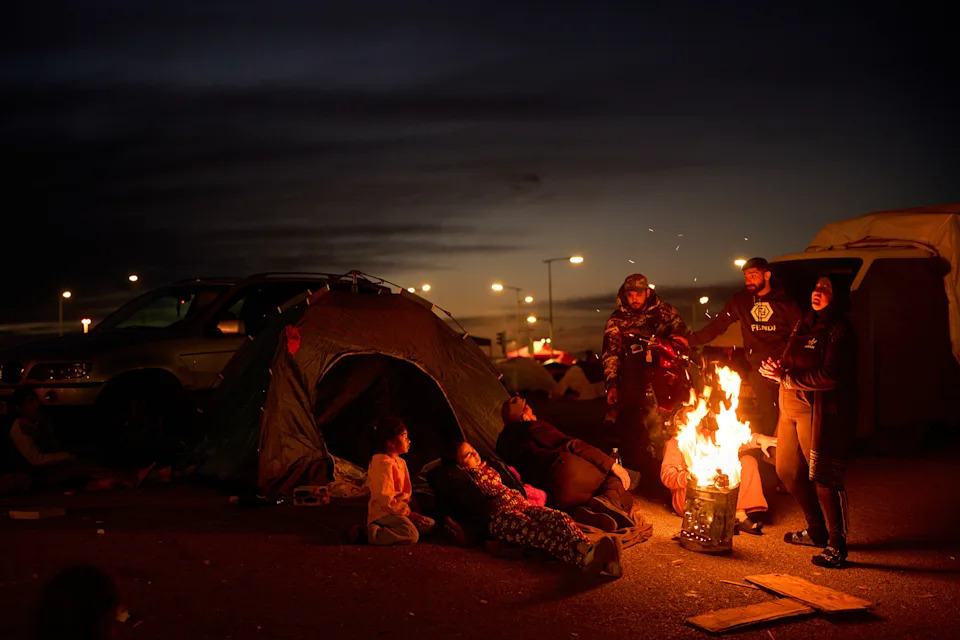
Members of a family, who fled Israeli strikes in southern Lebanon, sit around a bonfire outside a tent used as a shelter in Beirut, Lebanon, Wednesday, March 25, 2026. (AP Photo/Emilio Morenatti)(ASSOCIATED PRESS)
Casualty estimates from the conflict are severe: more than 1,500 reported dead in Iran, nearly 1,100 in Lebanon, 20 in Israel and 13 U.S. service members, along with additional civilian losses at sea and onshore. Millions have been displaced in the region.
Attacks, Interceptions and Alerts
Authorities in Abu Dhabi reported two deaths and three injuries from shrapnel after intercepting a ballistic missile. Sirens and missile alerts sounded across central Israel, the occupied West Bank and several Gulf states, while Saudi Arabia, Kuwait, Bahrain and the UAE reported interceptions of incoming drones or missiles.

Members of the displaced Abd el-Hajj family, and two of their cousins, right, who fled Israeli strikes in southern Lebanon, sit inside a tent used as a shelter in Beirut, Lebanon, Wednesday, March 25, 2026. (AP Photo/Emilio Morenatti)(ASSOCIATED PRESS)
“We arrived within minutes with intensive care units and ambulances. At the scene there was chaos,” said Tomer Gussman, an Israeli paramedic describing injuries at a home in Kfar Qasim. He said five people inside were wounded and taken to hospital in mild condition.
Economic and Market Impact
Oil prices rose on the continued uncertainty: Brent crude climbed about 1.5% to $98.72 a barrel and U.S. benchmark crude traded near $92.16. Asian stock markets were mostly lower amid heightened geopolitical risk, with Tokyo, Seoul and Hong Kong posting declines.
Thailand removed a diesel price cap and cut fuel subsidies, causing domestic fuel prices to surge (diesel up roughly 18%), prompting long lines at gas stations and concerns about higher consumer prices.
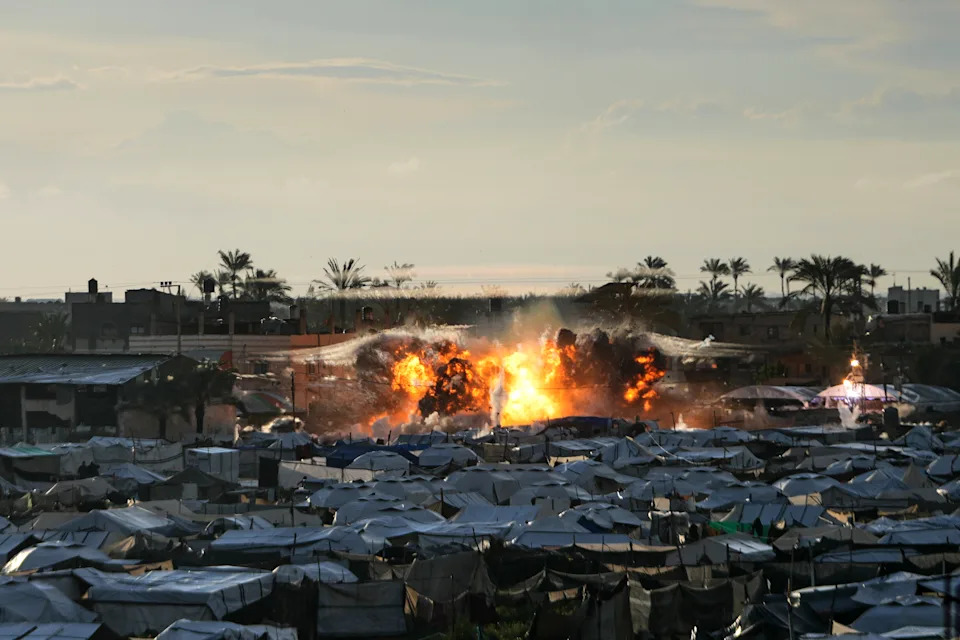
Smoke and flames rise following an Israeli military strike on a target in Deir al-Balah, central Gaza Strip, Wednesday, March, 25, 2026.(AP Photo/Abdel Kareem Hana)(ASSOCIATED PRESS)
Strait of Hormuz: Toll Claims and Shipping Controls
Iran's parliament is reportedly preparing legislation to codify Tehran’s control over the Strait of Hormuz and to authorize transit fees. Shipping intelligence firm Lloyd's List Intelligence described a de facto toll regime: vessels are required to provide detailed manifests and crew lists to Iran's Revolutionary Guard, and at least two ships have reportedly paid direct fees settled in Chinese yuan. Such payments could violate U.S. and European sanctions on the Revolutionary Guard.
Military Claims and Damage Reports
U.S. Central Command boss Adm. Brad Cooper said American forces have struck more than 10,000 targets in the campaign and claimed that 92% of Iran's largest naval vessels have been destroyed and over two-thirds of Iran's missile, drone and naval production facilities damaged or destroyed. Satellite imagery analyzed by news organizations shows strikes on shipyards and missile facilities; Iran has not publicly acknowledged material losses.
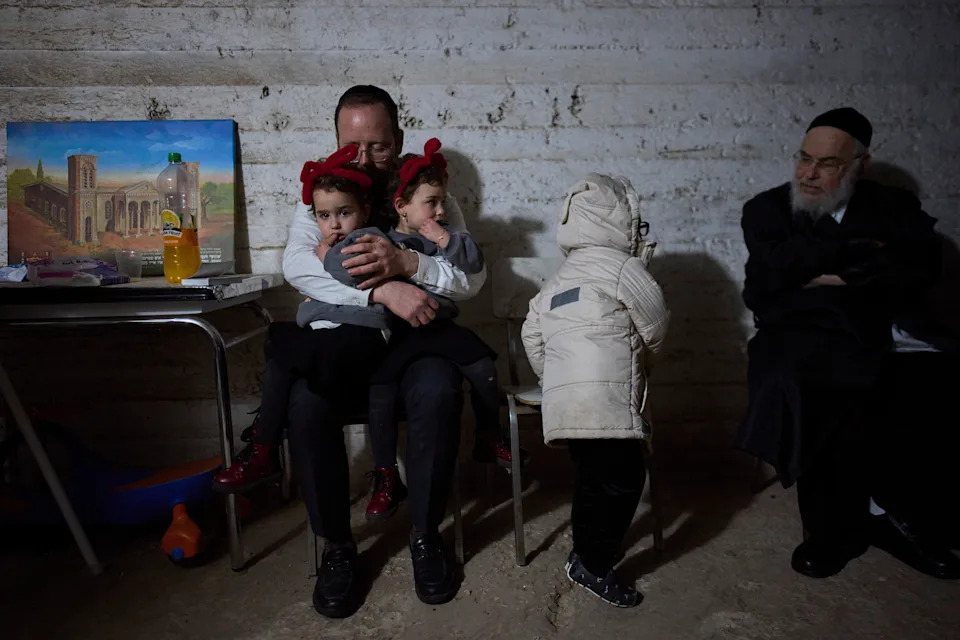
People take cover in a bomb shelter as air raid sirens warn of incoming Iranian missile strikes in Bnei Brak, Israel, Wednesday, March 25, 2026. (AP Photo/Ohad Zwigenberg)(ASSOCIATED PRESS)
International Responses
Australia temporarily restricted some Iranian visitor visas for six months, citing concerns that holders might be unable or unwilling to return home. Germany called for an immediate ceasefire and warned of the conflict’s broad economic consequences. Regional leaders warned against using the Strait of Hormuz as leverage, calling any such move economic coercion with global ripple effects.
Outlook
The diplomatic picture remains unclear: both Washington and Tehran have presented plans, but neither side has embraced the other's proposals. Meanwhile, continued strikes, maritime controls and economic ripple effects threaten wider escalation and further disruption to global energy markets.
Help us improve.