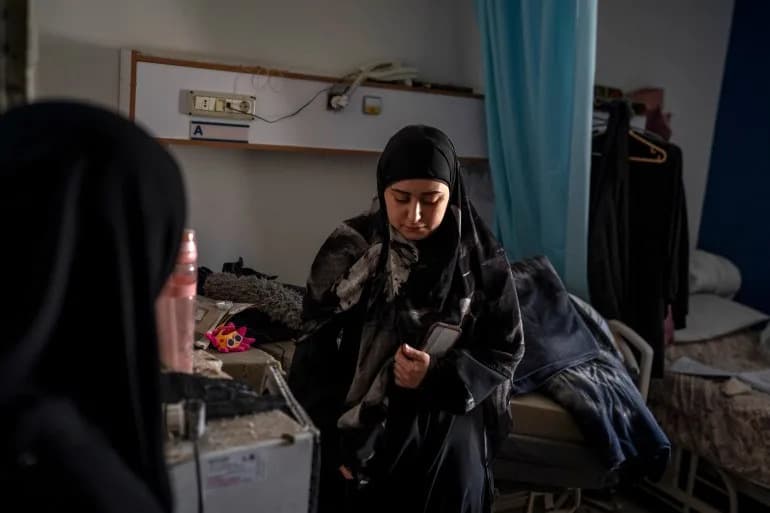
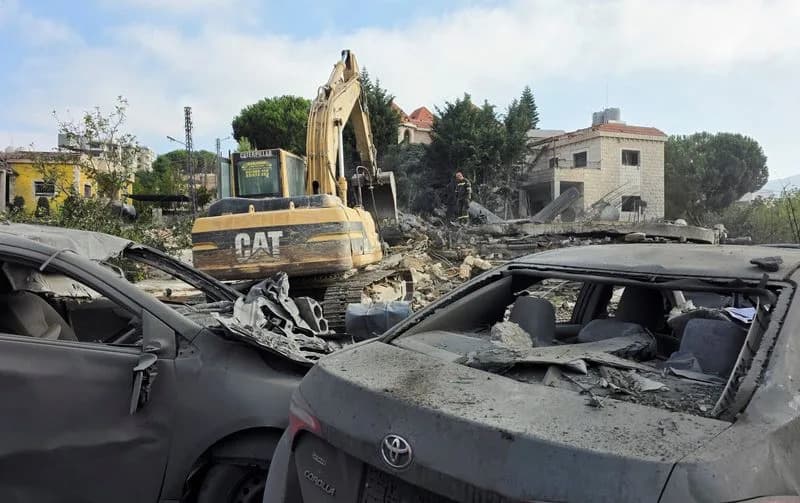
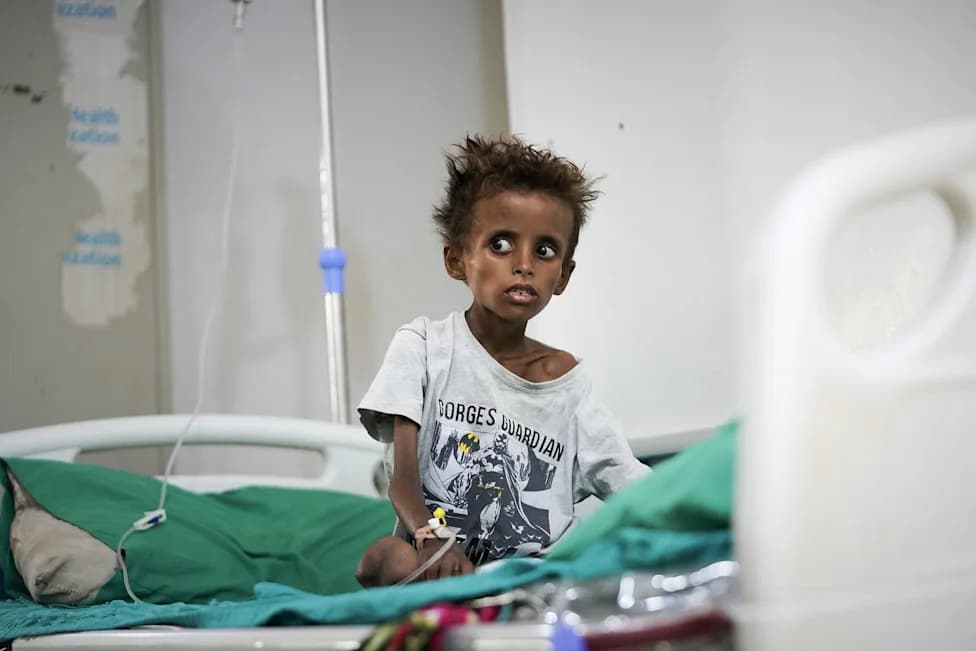
British‑Palestinian surgeon Ghassan Abu‑Sittah has been working non‑stop at the American University of Beirut Medical Center to treat children severely injured during weeks of fighting in Lebanon. The pediatric ICU is receiving critical cases from across the country as hospitals evacuate and ambulance transfers become dangerous. Authorities report 118 children killed and 370 wounded; 40 health workers have been killed and 119 wounded. Abu‑Sittah launched a fund in 2024 to support long‑term medical and psychological care for wounded children, many from impoverished families.
Racing the Clock: Surgeon Ghassan Abu‑Sittah Battles To Save War‑Wounded Children in Beirut
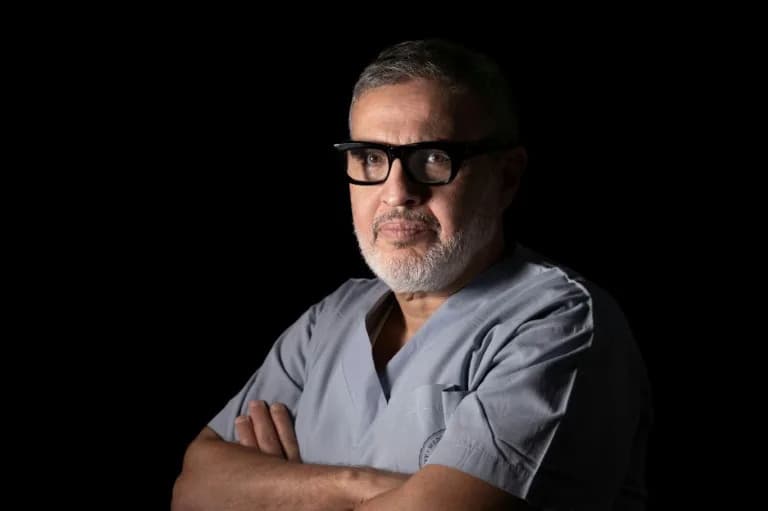
The British-Palestinian doctor described working 'against the clock' to save children injured in Israeli bombings (Joseph EID)(Joseph EID/AFP/AFP)
British‑Palestinian surgeon Ghassan Abu‑Sittah has spent nearly three weeks working around the clock at the American University of Beirut Medical Center, treating children critically injured in Lebanon’s recent hostilities. His pediatric intensive care unit has become a lifeline for the most severe cases arriving from across the country as families plead for their children’s survival.
Frontline Care Amid Urban Strikes
This week, strikes struck densely populated central Beirut neighborhoods close to the hospital, and staff pulled three badly wounded children from rubble. Abu‑Sittah described one patient, an 11‑year‑old girl, with metal shrapnel embedded in her abdomen and a partially amputated foot. "She's now in a stable condition," he said, adding that he lives nearby and rushes to the hospital for emergencies.
Grim Injuries, Repeated Operations
Abu‑Sittah, a plastic surgeon specializing in conflict injuries, has treated children with devastating and complex wounds: partial limb amputations, brain trauma, facial and ocular shrapnel, penetrating abdominal injuries, multiple fractures and extensive soft‑tissue damage. "All of this can be in one child," he said, noting such cases often require a series of surgeries spaced over days or weeks to debride damaged tissue and prepare for reconstruction.
"A child should never become faceless — they never become numbers," Abu‑Sittah said, his exhaustion visible in dark rings under his eyes.
Hospitals Under Strain
Lebanese authorities report that 118 children have been killed and 370 wounded since the recent escalation that began in early March. The health ministry also says 40 health workers have been killed and 119 wounded. Abu‑Sittah warned that four hospitals in Beirut's southern suburbs have been forced to evacuate amid sustained bombardment — one of them a major pediatric intensive care unit — worsening pressure on the remaining facilities.
Transfers, Risks and Delays
Transferring critically injured children from more remote areas such as Nabatiyeh and the Bekaa Valley to Beirut has become perilous. "Ambulance transfers are dangerous and slow," Abu‑Sittah said, adding that some children have died because they could not be moved in time. The Israeli military has accused militant groups of misusing ambulances for military purposes, a claim rejected by Lebanon's health ministry as a justification for attacks on medical services.
Long‑Term Care And A New Fund
In 2024 Abu‑Sittah founded the Ghassan Abu‑Sittah Children's Fund to provide medical care in Gaza and Lebanon and to support children after they leave hospital. He described the youngest current patient in Lebanon as a four‑year‑old boy who lost his parents and three siblings, suffered a head wound and an amputated foot, and will require prolonged physical and psychological rehabilitation. "Who's going to look after them when they go home?" Abu‑Sittah asked, stressing that many wounded children come from impoverished families who lack the means to manage long recoveries.
The human cost, he said, is not only physical. "It's not just the body that's destroyed — it's the family unit that's destroyed." The medical community in Lebanon continues to operate under extreme strain, adapting to repeated emergencies while trying to secure continuity of care for children with life‑altering injuries.
Help us improve.