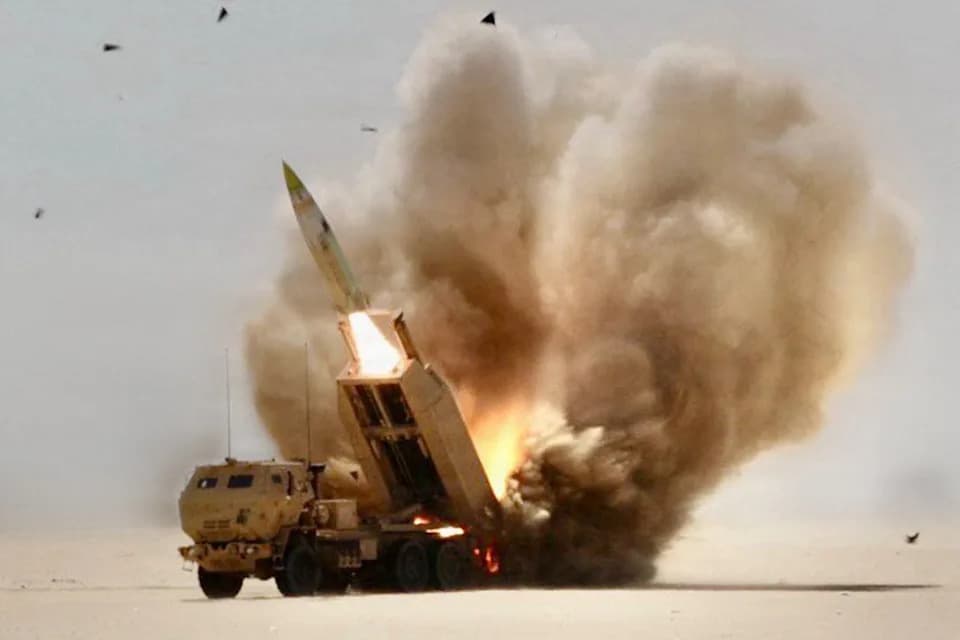
$11.3bn in U.S. munitions and strike costs were spent in the six days after the 28 February strikes on Iran, according to the Pentagon — a sum that excludes deployments and other operational expenses and is likely to rise. That single-week figure exceeds the annual budgets of multiple major public-health and research agencies, prompting criticism from experts. Senate hearings also highlighted concerns about FBI purchases of commercial location data and a contentious confirmation process for the Department of Homeland Security nominee.
Trump-Era Strikes On Iran Cost US $11.3bn In First Week — Exceeding EPA And CDC Budgets
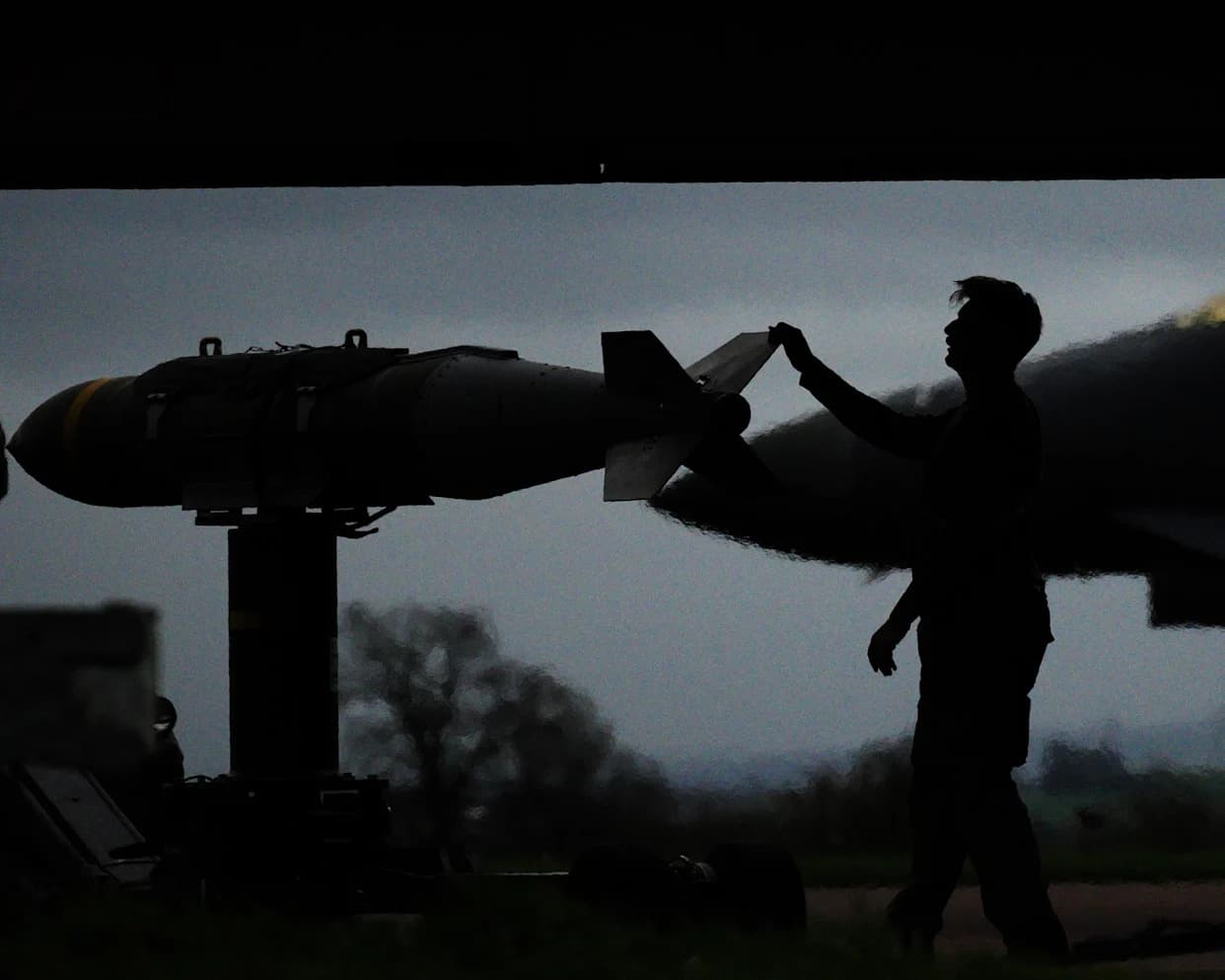
Munitions, believed to be JDAM bunker-busting bombs, are loaded into a US air force B-1B Lancer bomber at RAF Fairford on 12 March in Fairford, England.Photograph: Christopher Furlong/Getty Images(Photograph: Christopher Furlong/Getty Images)
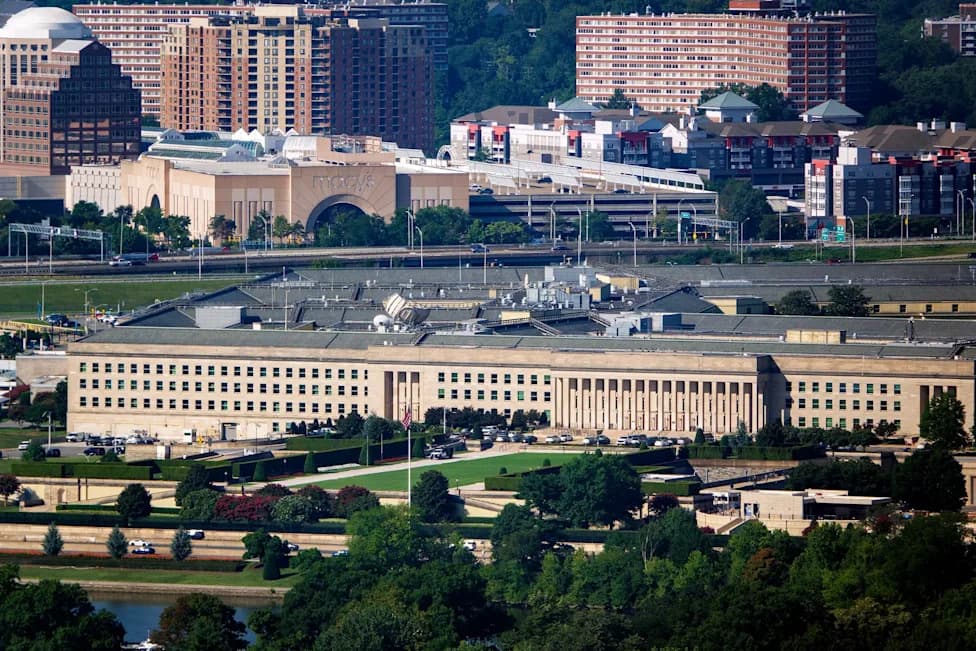
The Pentagon told lawmakers that U.S. strikes on Iran in the six days following a joint U.S.–Israeli operation on 28 February cost American taxpayers an estimated $11.3bn in munitions and strike-related expenditures. That total covers weapons and ordnance used in the assaults but does not include troop deployments, logistics, long-term operations or other indirect costs — meaning the overall bill is expected to climb as the conflict continues.
How The Spending Compares
To put the figure in context: the $11.3bn spent in roughly a week is larger than the full annual budgets of several major federal agencies, including the Environmental Protection Agency (about $8.8bn), the Centers for Disease Control and Prevention (about $9.2bn) and the National Cancer Institute (about $7.4bn). It also exceeds this year’s total federal scientific research funding administered through the National Science Foundation.
“This just shows a disturbing prioritization of militarism over the health and welfare of the American public,” said Adam Gaffney, a professor at Harvard Medical School who has researched the health impacts of administration policies.
Political And Policy Reactions
The large, concentrated expenditure has prompted renewed debate about national priorities and oversight of military operations. Critics say the sum highlights stark trade-offs between defense actions and domestic programs, while some officials and lawmakers have framed the strikes as strategically necessary.
Notable Senate Hearing Takeaways
At a Senate intelligence committee hearing, public figures and agency heads touched on several related issues:
- Tulsi Gabbard — remembered by some for her 2019 anti-war messaging — told senators she regards the recent strikes as a strategic success.
- FBI Director Kash Patel testified that the Bureau has been purchasing commercial location data on Americans, a disclosure that has renewed privacy and surveillance concerns.
- Markwayne Mullin, appearing at a contentious confirmation hearing to lead the Department of Homeland Security, defended his record and expressed regret over prior comments concerning a U.S. citizen who died after an encounter with immigration agents; disaster-response experts said his testimony raised concerns about future leadership at the agency.
Other Headlines From The Week
- White House officials privately expressed frustration with Representative Nancy Mace, accusing her of complicating official evacuation efforts in the Middle East by attempting independent rescue initiatives.
- Federal Reserve officials met amid a mix of pressures, including rising oil and gas prices, inflation remaining above the Fed’s 2% target and a surprising loss of 92,000 jobs in the latest report.
- A new study suggests the early U.S. death toll from Covid-19 was substantially higher than official counts, exposing disparities in how pandemic deaths were recorded.
- A fire aboard the aircraft carrier USS Gerald R. Ford injured sailors and destroyed roughly 100 berths; the incident is the latest in a series of operational setbacks during an extended deployment.
- Several women came forward with allegations of inappropriate sexual behavior by the late labor organizer César Chávez, prompting shock among lawmakers, union leaders and community groups.
- Instagram announced it will stop offering end-to-end encryption for private messages starting in May, reversing a long-standing privacy feature after pressure from law enforcement and child-safety advocates.
Together, these developments illustrate competing pressures in U.S. policy — heavy short-term military spending versus long-term investments in public health, scientific research and civil liberties — and raise questions about oversight, transparency and priorities going forward.
Help us improve.