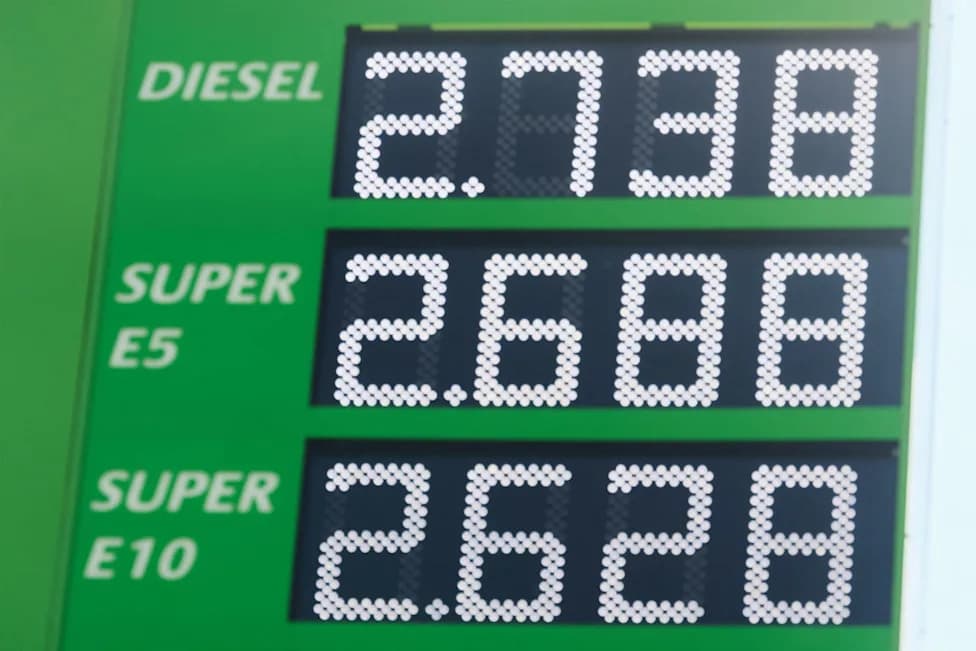
EU leaders convened in Brussels to address a surge in oil and gas prices linked to fighting in the Middle East and disruptions to key shipping routes. The European Commission proposed a package of financial tools to help lower energy bills, but officials warned that no single measure will protect all markets. Leaders largely declined calls to send military assets to secure the Strait of Hormuz and remain critical of Iran while stopping short of direct military intervention.
EU Leaders Race To Curb Energy Costs As Middle East Fighting Sends Prices Soaring
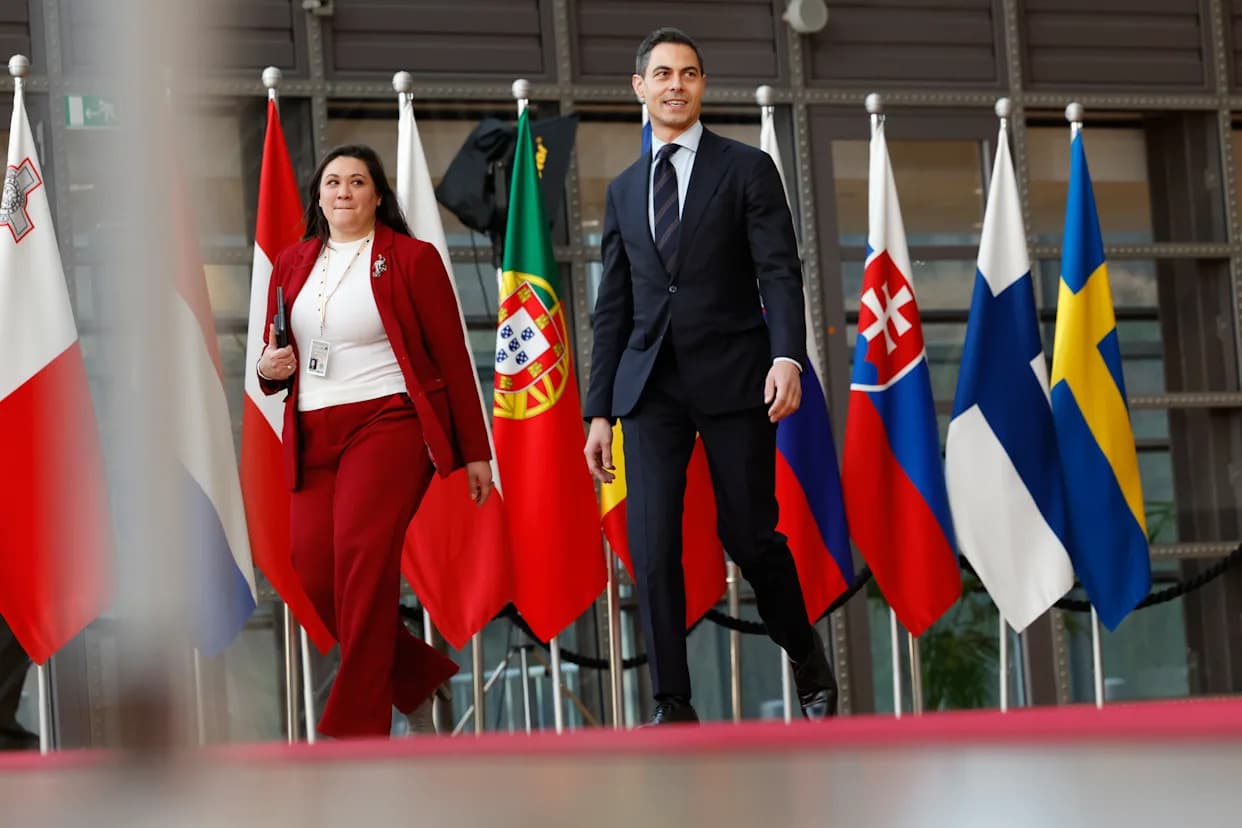
Netherland's Prime Minister Rob Jetten arrives for the EU summit at the European Council building in Brussels, Thursday, March 19, 2026. (AP Photo/Geert Vanden Wijngaert)(ASSOCIATED PRESS)
BRUSSELS — European Union leaders gathered in Brussels on Thursday to confront a sharp rise in oil and gas prices driven by fighting across major energy producers and disruptions to vital shipping lanes in the Middle East. The energy shock, combined with concerns about a possible new refugee wave, made the region the summit's top priority.
Many national leaders rejected appeals from U.S. President Donald Trump to deploy military assets to secure the Strait of Hormuz, a strategic channel for global shipments of oil, gas and fertilizer. Officials warned that no single policy will shield all EU markets from the economic fallout.
Commission Proposes Financial Tools
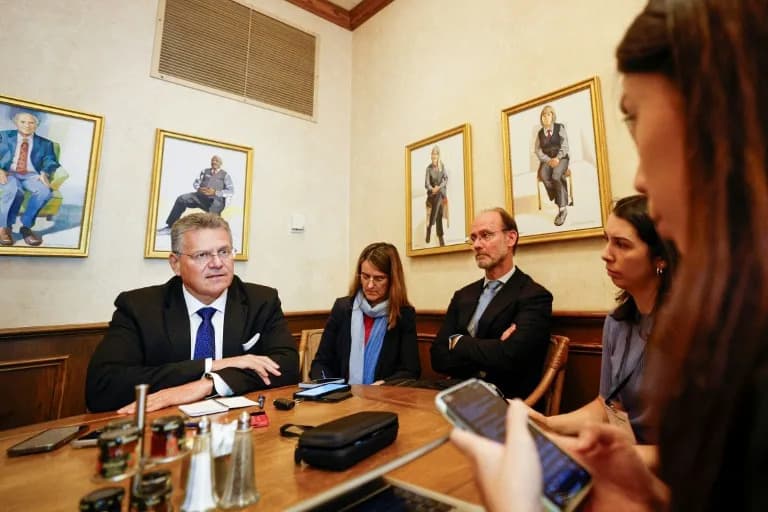
The European Commission presented a package of financial instruments that member states could use to help lower energy bills and support vulnerable consumers. Those options were set to be discussed by the 27 heads of state and government, who noted that measures will need to be tailored to national circumstances across the bloc.
Leaders' Reactions
Belgian Prime Minister Bart De Wever warned that prices were already high before the conflict and that the war had created an additional spike. "If that becomes structural, we’re in deep trouble," he said, calling for collective European action to address high energy costs.
"We are very worried about the energy crisis," Belgian Prime Minister Bart De Wever said ahead of the European Council meeting.
Dutch Prime Minister Rob Jetten reiterated criticism of the Iranian government while stressing that European countries have not become direct participants in the fighting. "This is a war that was started by the United States and Israel against Iran on reasons that I can understand because the Iranian regime is brutal not only for its own people, but also for the broader region and a security threat for Europe," he said. "But it’s not a war that we are part of," he added, calling for tougher sanctions on Iran and more support for opposition groups.
EU leaders face a difficult balancing act: responding to immediate economic pain at home while avoiding escalation in the region. Summit discussions aimed to combine short-term relief for consumers with longer-term strategies to enhance energy security and market resilience across the bloc.
Help us improve.