Chief U.S. District Judge James Boasberg ordered that duty magistrate judges be notified when a federal grand jury declines to return an indictment, a rule announced March 4 and set for an initial 120-day term. The change follows a failed attempt to indict six Democratic lawmakers over a social media video, in which prosecutors were unable to persuade any juror that probable cause existed. Boasberg also blocked subpoenas from U.S. Attorney Jeanine Pirro to the Federal Reserve and its chair, calling the subpoenas likely politically motivated; Pirro has criticized the judge and the Justice Department plans to appeal.
D.C. Chief Judge Orders Notification When Grand Juries Decline Indictments After Failed Push Against Six Lawmakers
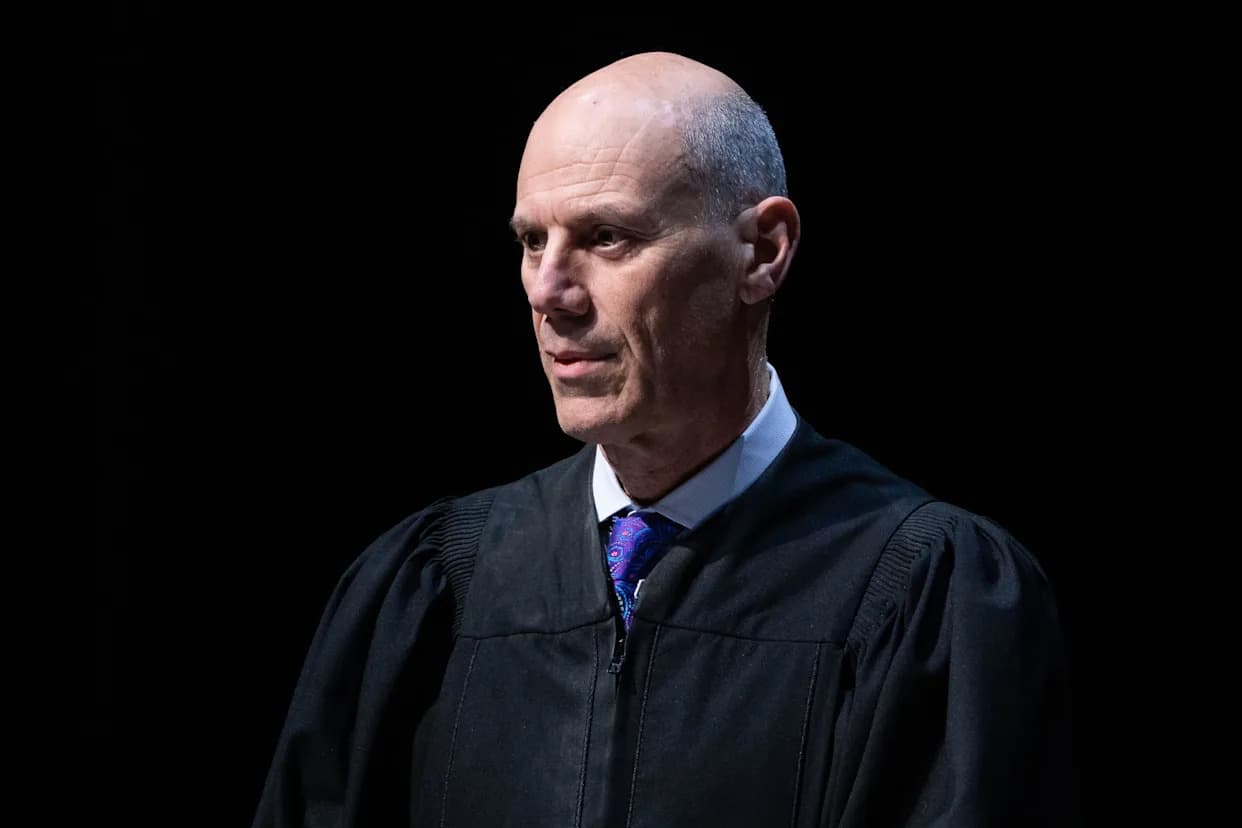
Chief Judge James Boasberg takes part in a mock trial Feb. 17. (Francis Chung / Politico via AP file)
Chief U.S. District Judge James Boasberg has ordered that duty magistrate judges be notified whenever a federal grand jury declines to return an indictment — a procedural change prompted by a recent, high-profile failed attempt to charge six sitting members of Congress over a social media video.
What the Order Requires
Dated March 4, the directive applies specifically to matters that begin as grand jury investigations. The rule will be in effect for 120 days, with the possibility of becoming permanent after that period. Under the order, the grand jury foreperson must "promptly and in writing report the lack of concurrence to the duty magistrate judge under seal," and those notifications are to be kept in the clerk’s confidential files.
Why the Change Was Made
Boasberg framed the policy as "in furtherance of the interests of consistency and transparency." He wrote that "notification should be provided to the duty magistrate judge whenever a grand jury fails to concur in an indictment, regardless of whether the defendant has already been charged." The order clarifies that prosecutors must notify the magistrate judge even if they later dismiss a matter after a grand jury declines to indict.
Context: The Failed Indictment Effort
The procedural change followed a widely reported episode in which government attorneys were unable to persuade a single juror that probable cause existed to indict six Democratic lawmakers in connection with a social media video that urged service members and intelligence personnel not to obey unlawful orders. The six lawmakers identified in reporting were Representatives Jason Crow (CO), Maggie Goodlander (NH), Chris Deluzio (PA), Chrissy Houlahan (PA), and Senators Mark Kelly (AZ) and Elissa Slotkin (MI). According to reporting, none agreed to FBI interviews when investigators sought them after public calls for action by former President Donald Trump.
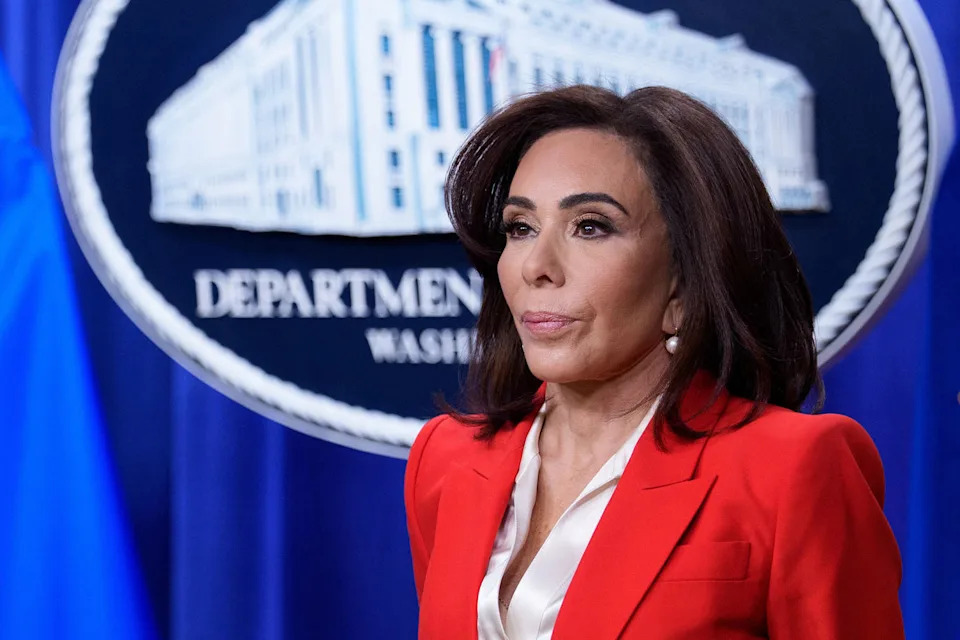
Jeanine Pirro during a news conference at the Justice Department on Feb. 6. (Aaron Schwartz / Bloomberg via Getty Images file)(Aaron Schwartz)
Sealed Submissions and Other Rulings
Boasberg’s order notes that the government submitted a sealed memorandum expressing its view on whether the judiciary should be notified; the order did not disclose the contents of that submission. The judge separately issued a strongly worded ruling blocking subpoenas issued by U.S. Attorney Jeanine Pirro to the Federal Reserve and Fed Chair Jerome Powell, suggesting those subpoenas were politically motivated.
“There is abundant evidence that the subpoenas’ dominant (if not sole) purpose is to harass and pressure Powell either to yield to the president or to resign and make way for a Fed chair who will,” Boasberg wrote.
Responses and Related Developments
Pirro criticized Boasberg as "an activist judge," and the Justice Department has indicated it will appeal the rulings. At a press conference, Pirro defended her office’s record with grand juries and said she was "willing to take a not guilty" or a "no true bill" and to present multiple alleged crimes.
Separately, Pirro’s office dropped charges against a man accused of burning an American flag after Boasberg said the defendant was entitled to an inquiry into whether the prosecution was motivated by constitutionally protected speech.
Background: Grand Juries in American Law
Grand juries are a longstanding feature of the U.S. justice system and are recognized by the Fifth Amendment, which provides that no person may be held to answer for a serious crime "unless on a presentment or indictment of a Grand Jury." The federal grand juror handbook references an early English example — the 1681 case involving the Earl of Shaftesbury — in which a grand jury refused a proposed bill of indictment for high treason after hearing the witnesses.
This article was originally published on NBCNews.com.
Help us improve.