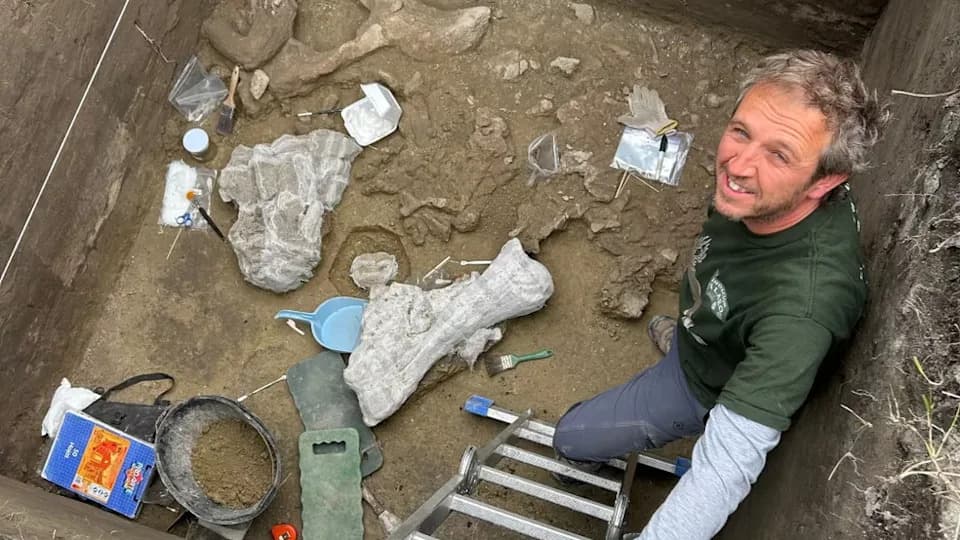
The Neumark‑Nord fossil study shows Neanderthals hunted giant straight‑tusked elephants that sometimes travelled up to 300 kilometres across Europe. Isotope and protein analyses of molars reveal long‑distance movements and allow reconstruction of diet and home ranges. Butchery evidence at multiple sites suggests organised, large‑scale hunting rather than purely opportunistic kills, while plant remains and signs of landscape use point to diverse resource strategies.
Neanderthals Hunted Giant Straight‑Tusked Elephants That Roamed Up To 300 km Across Europe
Hunted by Neanderthals, giant elephants travelled hundreds of miles across Europe
A new study of fossils from the Neumark‑Nord site in Saxony‑Anhalt, Germany, shows that Neanderthals hunted and butchered giant straight‑tusked elephants that travelled long distances across Europe. Researchers used isotope and protein analyses of teeth and other remains to reconstruct individual elephants' movements, diets and sex, revealing surprising mobility and implications for how Neanderthals organised hunting.
Study and Methods
The research team analysed multiple chemical signatures — different forms of carbon, oxygen and strontium isotopes, together with protein markers — preserved in elephant molars and other remains. These techniques let scientists trace where animals fed at different times of their lives and identify changes in diet and geography recorded in tooth growth layers.
Key Findings
Isotope patterns in many molars reveal that some straight‑tusked elephants moved between distinct regions of Europe over several years, travelling distances of up to about 300 kilometres before arriving at Neumark‑Nord. The spread of butchery marks and carcass remains at multiple locations indicates Neanderthals systematically hunted and processed these very large mammals rather than only taking opportunistic kills.
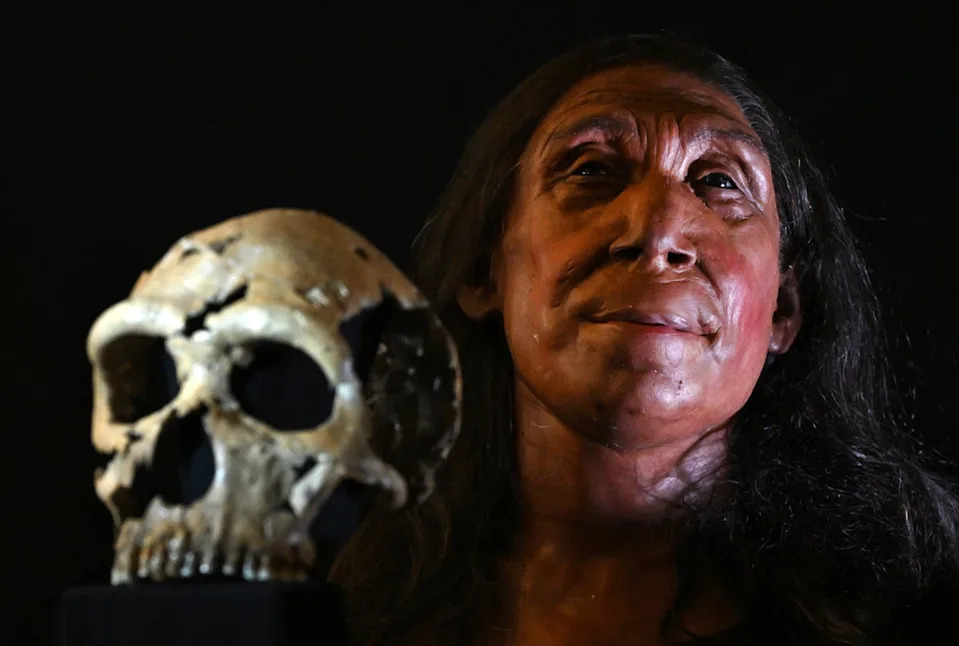
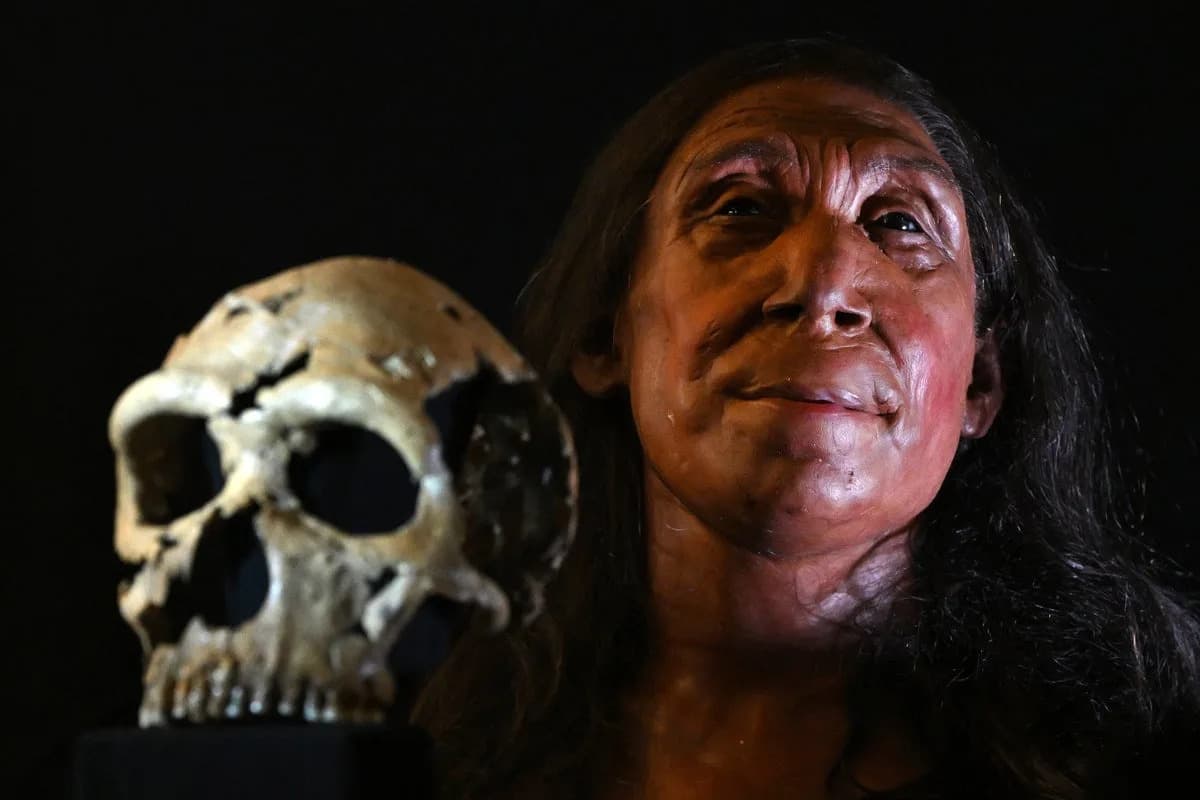
Rebuilt skull and physical reconstruction of the face and head of a 75,000-year-old Neanderthal woman (AFP via Getty)
'Some of the elephants we studied were animals that did not stay in just one area. Their teeth show that they travelled very long distances – up to 300 kilometres – before reaching what is now Neumark‑Nord,' said Federico Lugli, an author of the study published in Science Advances.
Co‑author Elena Armaroli adds that hunting at this scale implies detailed knowledge of the landscape, cooperative effort and planning: 'For this, Neanderthals must have known the landscape well, cooperated, and planned.' The findings therefore strengthen the view of Neanderthals as active, organised hunters operating within rich lakeshore ecosystems.
Diet and Landscape Use
The study also recovered evidence that Neanderthals supplemented meat with plant foods such as hazelnuts and acorns. Repeated use of lakeshore resources and signs consistent with controlled burning suggest these groups repeatedly exploited — and may have modified — local environments.
Next Steps
Researchers plan further work to determine whether Neumark‑Nord functioned as an attractor that drew elephants from distant home ranges or whether it was part of a local elephant population that periodically dispersed across the region.
Implication: Combined chemical and proteomic analyses are expanding our ability to reconstruct ancient animal movement and human hunting behaviour, offering new insights into Neanderthal ecology, social organisation and resource use.
Help us improve.