A newly identified 900‑kilometer strewn field of tektites in Minas Gerais, Brazil — named "geraisites" — provides evidence of an impact that occurred ≤6.3 million years ago. Researchers recovered about 600 glassy fragments (1–85.4 g) that glow greenish‑blue in transmitted light and show classic aerodynamic shapes and vesicles. Geochemistry points to ~3‑billion‑year‑old Archean source rocks in the São Francisco craton, but the impact crater has not yet been located. Scientists expect magnetic and gravimetric surveys to help find any eroded ring structure near the strewn field.
Scientists Uncover 900‑km Field of Glassy Tektites in Brazil — Crater Still Missing
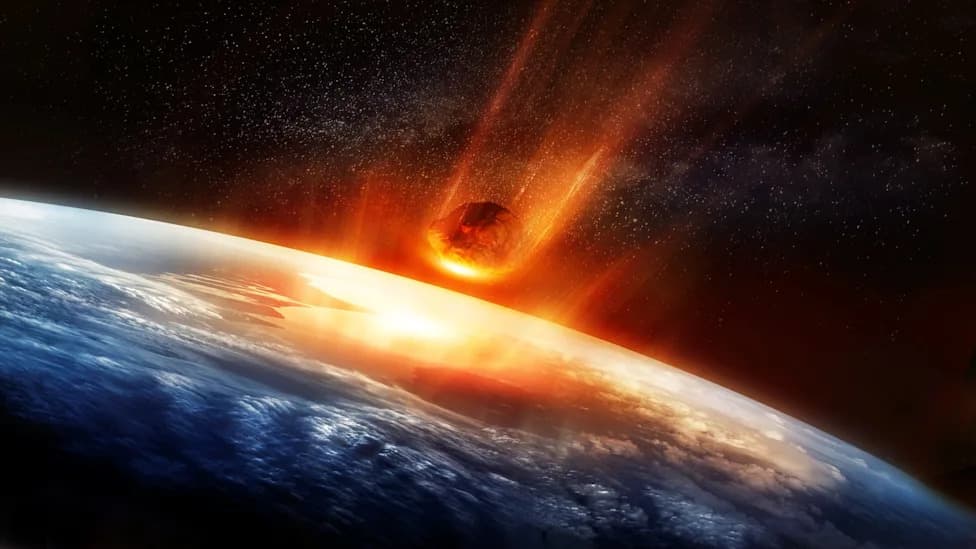
A Massive Meteor Hit Brazil 6.3 Million Years AgoEduardo Estellez / 500px - Getty Images
An international team of researchers has identified a roughly 900‑kilometer strewn field of glassy impact ejecta in Minas Gerais, northeastern Brazil — evidence of a previously unknown meteorite impact that occurred no more than about 6.3 million years ago. The glassy fragments, now called "geraisites," offer a new window into South America's deep geologic past even though the source crater has not yet been found.
What the Researchers Found
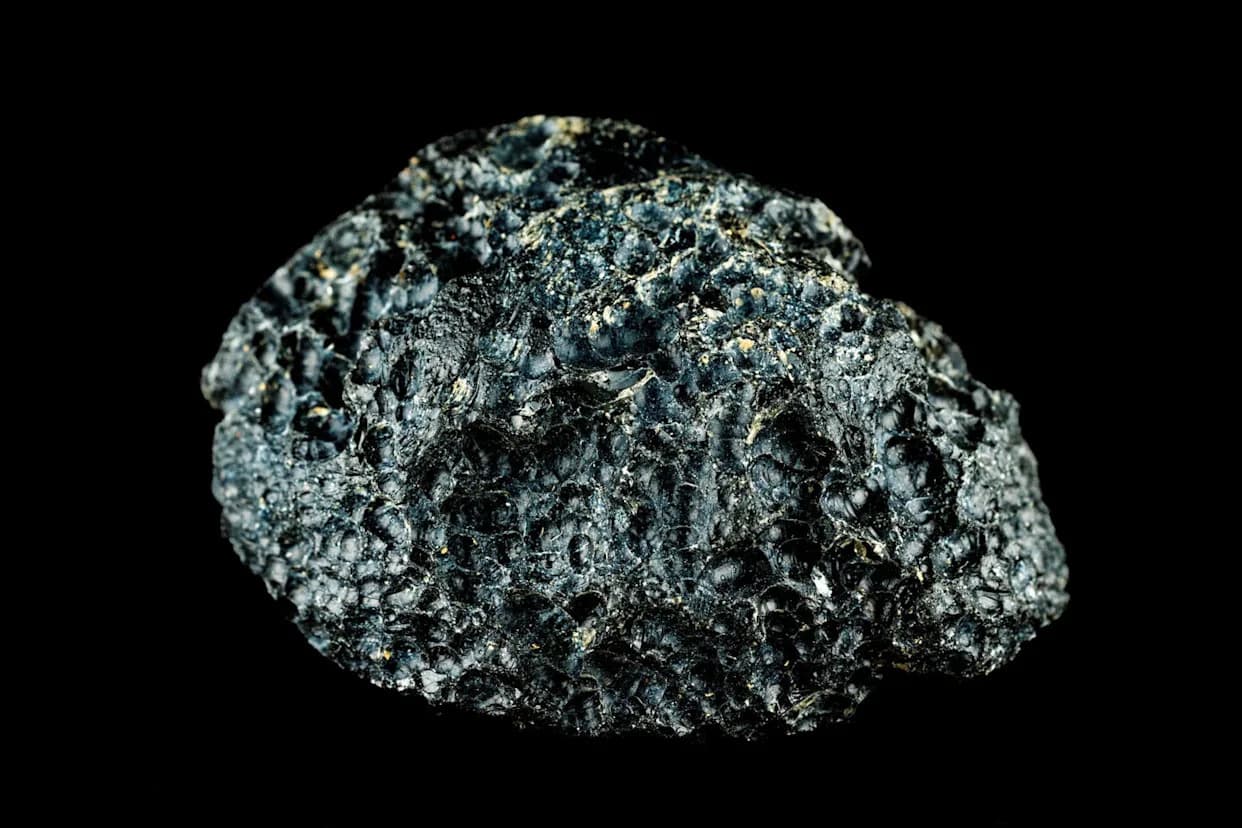
The team recovered an estimated 600 or more tektites, with individual pieces ranging from about 1 gram up to 85.4 grams. At first glance most fragments look black, but when light passes through them they often glow a translucent greenish‑blue. The specimens display classic aerodynamic tektite shapes — spheres, ellipsoids, disks and droplets — and many are peppered with small cavities formed by escaping gas bubbles during rapid cooling in flight.
How Tektites Form
Tektites are glassy rocks produced when an energetic impact instantaneously melts and ejects terrestrial quartz‑rich soils and rocks. Ejected melt cools rapidly while traveling through the atmosphere, producing the smooth, aerodynamic forms and characteristic vesicles (tiny cavities) seen in these samples. The term "tektite" derives from the Greek tektos, meaning "melted."
“The size of the field depends directly on the energy of the impact, among other factors,” said Álvaro Penteado Crósta, lead author and researcher at the Institute of Geosciences at the State University of Campinas.
Age and Source Region
Argon‑isotope dating indicates the geraisite strewn field formed no more than about 6.3 million years ago. Geochemical signatures show the molten material came from very old (~3 billion‑year‑old) Archean crust, pointing to the São Francisco craton as the most likely source region for the target rocks.
The Missing Crater
Despite the strewn field's large extent, researchers have not yet identified a definitive impact crater. The authors note that roughly half of known tektite fields worldwide lack an associated, clearly identifiable crater. Erosion, burial, and tectonic modification can erase or obscure impact basins over millions of years. The team hopes future magnetic and gravimetric surveys — along with targeted fieldwork — will reveal any eroded, ringlike structure near the Minas Gerais strewn field.
Why This Matters
This discovery fills a geographic gap: until now no confirmed tektite strewn field had been reported from South America. The geraisites provide fresh material for studying impact processes, regional geology, and how Earth records (and hides) its violent collisions. The find is published in the journal Geology and opens new avenues for geophysical searches and field studies in Brazil.
For now, the craterless field stands as a reminder that Earth's surface often conceals the scars of ancient cosmic encounters — and that careful detective work can still reveal surprising chapters of planetary history.
Help us improve.