Social stigma, religious pressure and economic dependence keep many Ivorian women from seeking divorce despite abuse or untenable circumstances. Ivory Coast recorded just 1,835 divorce petitions for 30,912 marriages in 2024. Women cite slow, costly court processes and family pressure to "rein in your heart" as major barriers. Those who complete divorces often report improved health and wellbeing, but face lengthy, isolating legal battles.
‘Rein In Your Heart’: How Stigma, Cost and Courts Trap Women in Ivory Coast Marriages
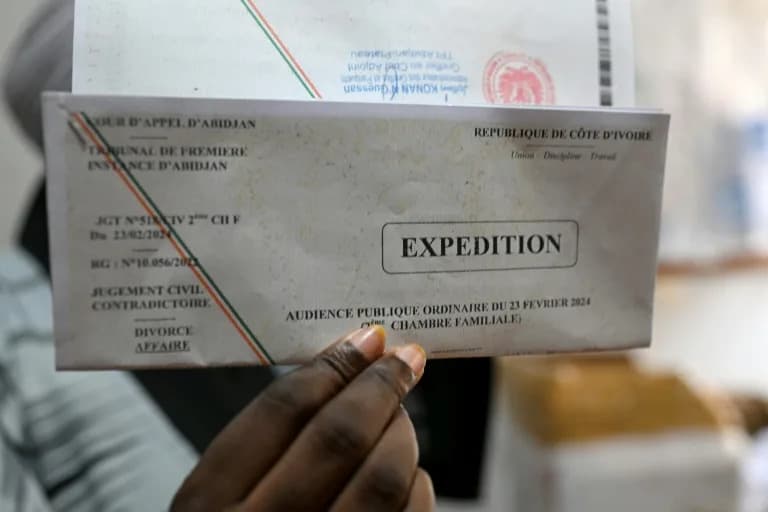
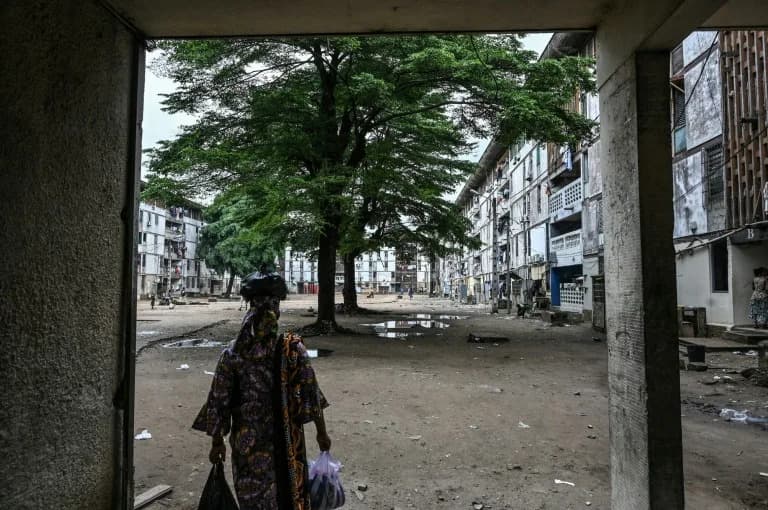
Ivory Coast has a low divorce rate, with the fear of social disapproval weighing on many women (Issouf SANOGO)(Issouf SANOGO/AFP/AFP)
Three years ago Josy’s life fell apart when she discovered her husband had accumulated heavy debts and was unfaithful. Despite severe domestic tensions, she has not filed for divorce — largely because of social pressure, religious expectations and the fear of being ostracised in her community.
Why Many Women Stay
Official figures underline how rare divorce is in Ivory Coast: just 1,835 divorce petitions out of 30,912 marriages in 2024. Women interviewed for this report point to a combination of factors that keep them in untenable relationships: a strong cultural message to "rein in your heart," pressure from family and church to endure, and the stigma attached to separated women.
Practical Barriers: Courts and Cost
Lawyers and advocates emphasise that the legal system itself is a deterrent. Anne Bera-Dasse, a family law specialist with more than 30 years' experience, says non-consensual divorce proceedings can drag on for years and carry substantial costs, discouraging many women from starting the process. Financial dependence compounds the problem: some women stop working after marriage or lack independent income to afford legal fees.
Voices From Women
"Honestly, I still don't have the courage to face society, family and the church," Josy says. "In Africa, a divorced woman is singled out. African mothers always say 'there's nothing you can't put up with,' and 'for us Christians, divorce is forbidden.'"
"I really want a divorce but I can't afford it,"
— Nina, 40, whose husband left five years ago with three of their four children, who now struggles to see them regularly.
Corine Moussa Vanie, chair of Akwaba Mousso (an association supporting women victims of violence), highlights how institutions encourage reconciliation rather than protecting individual wellbeing. "Everything is set up to always try to reconcile couples," she says. "Even if you have degrees, for a woman the pinnacle of success is marriage."
What Happens When Women Leave
By contrast, some women who endure the legal process report meaningful gains. Yacine, 42, completed a two-year legal battle to divorce and says she regained her health and peace of mind. She describes the process as emotionally draining — returning to court repeatedly and answering intimate questions in public — but ultimately worth it for her and her children.
Paths Forward
Advocates call for reforms that speed up divorce proceedings, reduce costs, and provide social and economic support for women who choose separation. Greater public discussion about gender roles, financial independence and legal literacy could help reduce stigma and provide safer options for women trapped in abusive or financially untenable marriages.
Note: All first names used in interviews have been changed.
Help us improve.