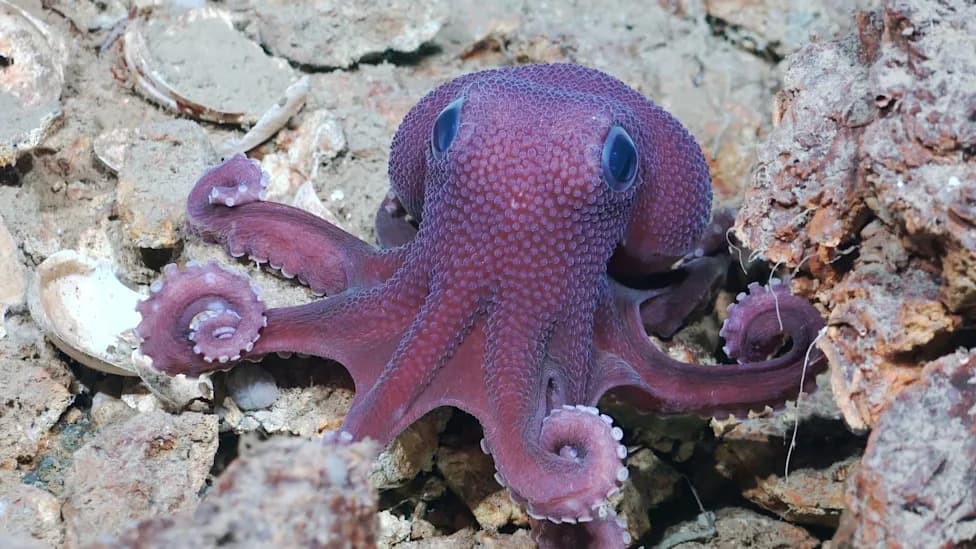
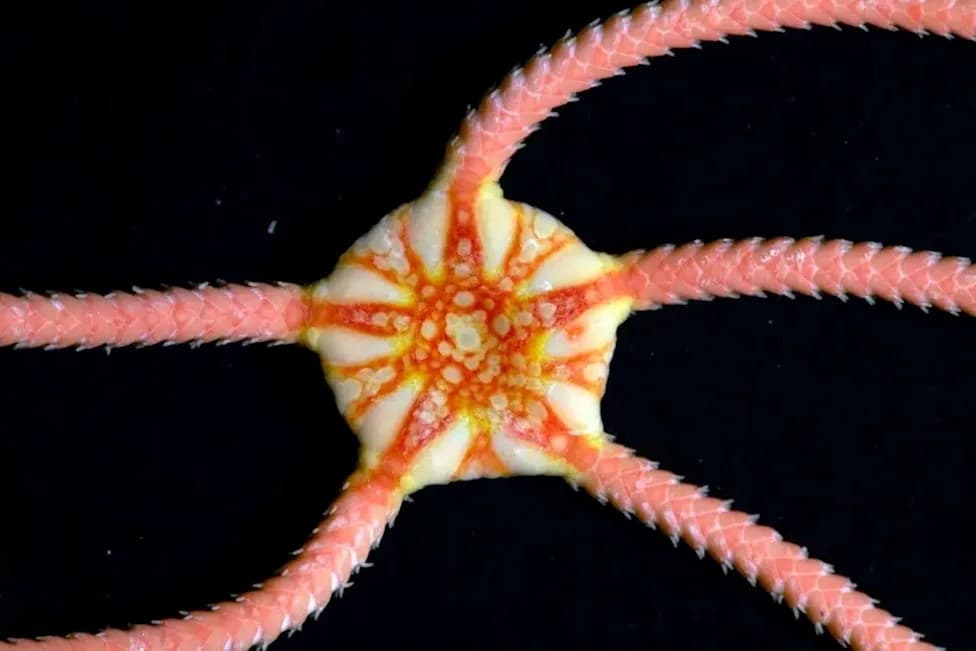
Scientists from the UK Centre for Environment, Fisheries and Aquaculture Science mapped nearly 25,000 sq km of seafloor around Caribbean islands during a six-week expedition aboard the RRS James Cook, using cameras and sonar to depths of 6,000 metres. They recorded more than 20,000 images and discovered a massive underwater mountain that rises to within 20 metres of the surface, a 300-metre-wide blue hole over 550 metres deep, and unusually healthy deep coral reefs. The team observed rare species — including glowing dragonfish, a pelican eel, a barreleye fish, and a possibly undescribed swimming sea cucumber — and say the findings could inform local conservation, sustainable fisheries and global ocean-protection efforts.
Never-Before-Seen Creatures Discovered on Massive Underwater Mountain Range Near the Caribbean
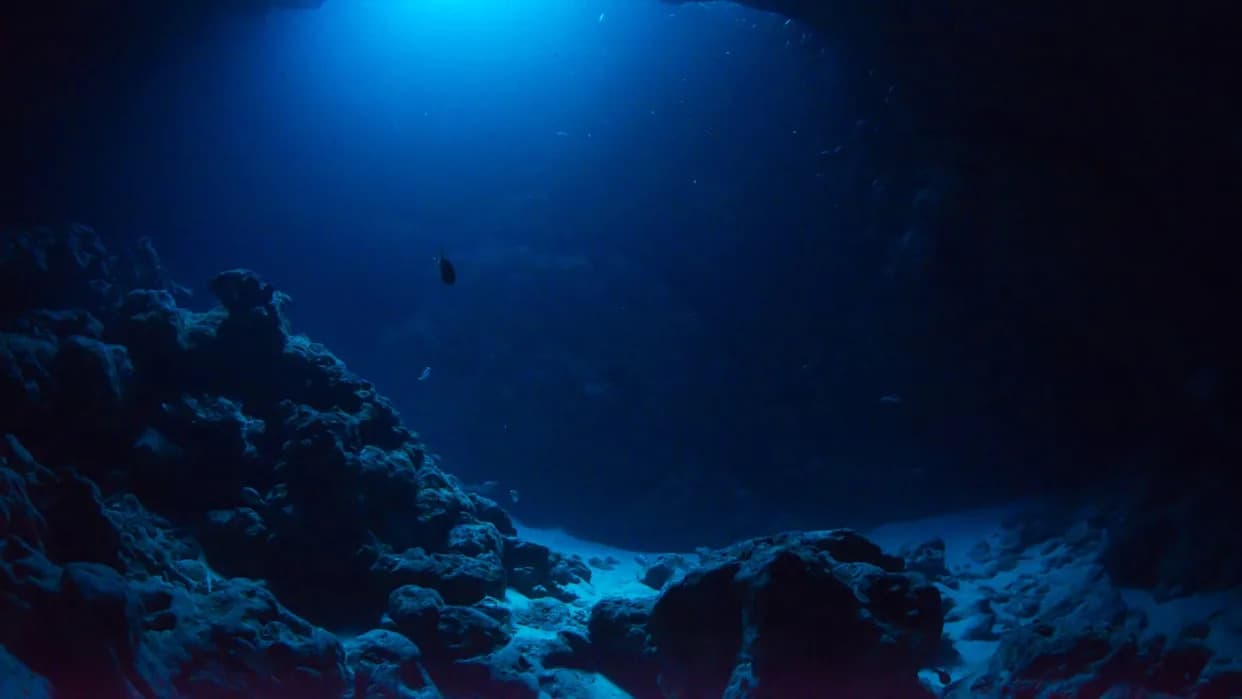
Photo Credit: iStock
Scientists mapping the seabed around several Caribbean islands have uncovered a previously unknown mountain range teeming with life — and observed organisms that researchers say may be new to science.
Expedition and Methods
The UK Centre for Environment, Fisheries and Aquaculture Science (Cefas) led a six-week expedition aboard the research vessel RRS James Cook. Using high-resolution deep-sea cameras and multibeam sonar, the team surveyed depths down to 6,000 metres (about 19,700 feet), capturing more than 20,000 images and mapping nearly 25,000 square kilometres of seafloor.
Key Discoveries
Among the most striking finds was a massive underwater mountain that rises from roughly 2,500 metres to within about 20 metres of the ocean surface. Its slopes were covered in vivid corals and gelatinous sponges, with fish darting among them.
Researchers also documented a giant "blue hole" — a roughly 300-metre-wide crater plunging more than 550 metres — and, contrary to expectation, found sponges, sea urchins and fish living inside it.
The team recorded rare deep-sea animals including glowing dragonfish, a pelican eel with a flashing pink tail that appears to lure prey, and the enigmatic barreleye fish with upward-pointing tubular eyes. Expedition leader Dr. James Bell reported an apparent swimming sea cucumber that scientists have not yet identified.
"Just yesterday we found a kind of type of swimming sea cucumber, and we still don't know what it is," Dr. James Bell told the BBC.
Implications for Conservation
Many of the deep coral reefs observed appeared unusually healthy, possibly because greater depth reduces exposure to warming surface waters that have damaged shallower reefs. The new maps and imagery can help island governments improve marine protection, guide sustainable fisheries, and contribute to international conservation goals — including efforts to protect 30% of the world’s oceans by 2030.
These discoveries highlight how much of Earth's ocean floor remains unexplored: as Dr. Bell noted, we know the surface of Mars or the Moon better than the surface of our own planet.
Help us improve.