Researchers at King’s College London and Trinity College Dublin have synthesized cyclotrialumane, a triangular three-aluminum-atom compound that shows promising catalytic activity. Published in Nature Communications, the aluminum trimer can split dihydrogen and promote ethene formation, suggesting it could replace costly platinum-group metals in some reactions. While preliminary, the work points to cheaper, lower-impact catalysts if the molecules can be scaled and stabilized for industrial use.
Aluminum Trimer Could Replace Platinum-Group Catalysts — Cheaper, Greener, and More Reactive
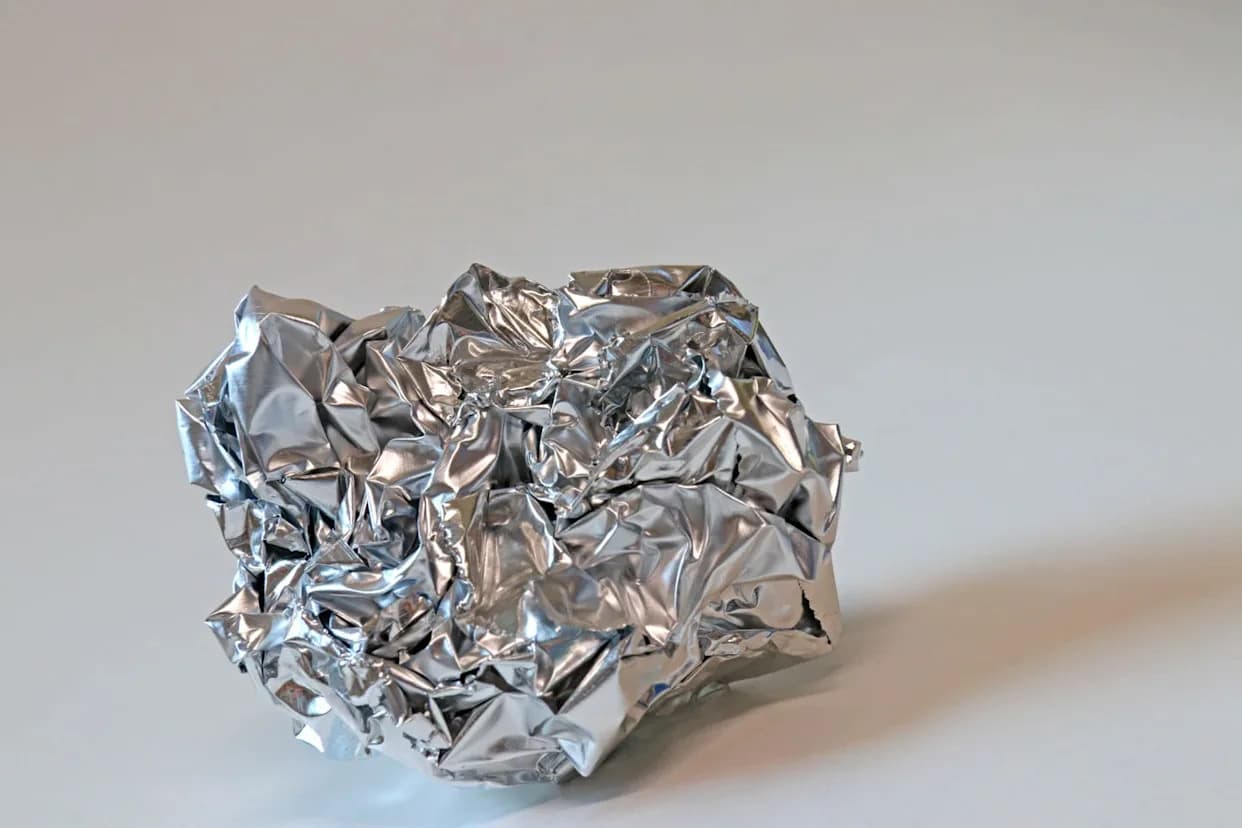
Did Scientists Make Aluminum Worth More Than Gold?Zen Rial - Getty Images
Researchers from King’s College London and Trinity College Dublin report a triangular three-atom aluminum compound that could offer a low-cost, lower-impact alternative to platinum-group metal (PGM) catalysts. Published in Nature Communications, the team describes a molecule they call cyclotrialumane, an aluminum trimer with surprising catalytic power and stability in solution.
Historically, aluminum shifted from a luxury metal to an everyday commodity — a transformation that helped modern industry flourish. Now, scientists are revisiting abundant elements like aluminum to reduce reliance on scarce, expensive PGMs such as platinum and palladium, whose extraction is energy intensive and environmentally costly.
What the Researchers Found
The newly synthesized cyclotrialumane arranges three aluminum atoms in a triangular (trimeric) geometry. In preliminary experiments the aluminum trimer has promoted key reactions including the splitting of dihydrogen (H2) — a central step in hydrogen production — and the formation of ethene, an essential precursor for plastics. According to the authors, the compound not only mimics some behaviors of transition-metal catalysts but also enables reaction pathways and reactivity levels not typically observed with PGMs.
"We can use this aluminum trimer to build completely new compounds with levels of reactivity that have never been observed before," said Clare Bakewell, senior author from King’s College London. "These capabilities go beyond the transition metals we were originally trying to mimic, to the forefront of chemical research."
Why This Matters
Platinum-group metals are prized in catalysis because they resist corrosion and readily mediate bond-breaking and bond-forming steps. But PGMs are scarce, expensive, and often extracted through energy-intensive processes; for example, producing only a few grams can require processing at least a ton of ore. Aluminum is abundant and roughly 20,000 times less expensive than platinum or palladium by material cost, so a viable aluminum-based catalyst could dramatically reduce cost and environmental impact.
That said, the results remain preliminary. The next challenges are scaling synthesis, ensuring long-term stability under industrial conditions, and demonstrating robust catalytic cycles for specific commercial processes. If those hurdles can be overcome, cyclotrialumane or related aluminum systems may offer cost-effective alternatives for hydrogen production, polymer feedstock manufacture, and other large-scale chemical processes.
For now, the discovery is an important proof-of-concept: abundant, inexpensive elements can be engineered to perform — and sometimes exceed — the catalytic roles traditionally reserved for rarer transition metals.
Help us improve.