CNBC host Jim Cramer drew criticism after tweeting that the U.S. should go “Hanoi” on Iran — language many read as advocating Vietnam‑style carpet bombing. A Community Note linked to the Vietnam War entry on Wikipedia and highlighted that the U.S. ultimately withdrew from Vietnam. Cramer later issued three follow‑up posts clarifying he did not want a similar outcome and apologizing. The conflict has driven oil near $100 a barrel and disrupted passage through the Strait of Hormuz, with media reporting significant casualties on both sides.
Jim Cramer’s 'Go Hanoi' Tweet on Iran Draws Backlash — Community Note Points to Vietnam Lesson
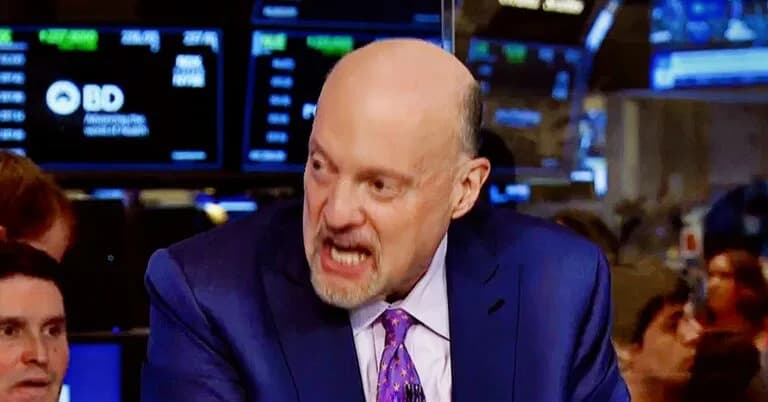
CNBC host Jim Cramer sparked controversy after tweeting that the United States should go “Hanoi” on Iran — language critics interpreted as advocating a Vietnam‑style carpet‑bombing campaign to force Iranian leaders back to negotiations. A Community Note attached to his post linked to the Vietnam War entry on Wikipedia and reminded readers that the U.S. ultimately withdrew from Vietnam.
Background
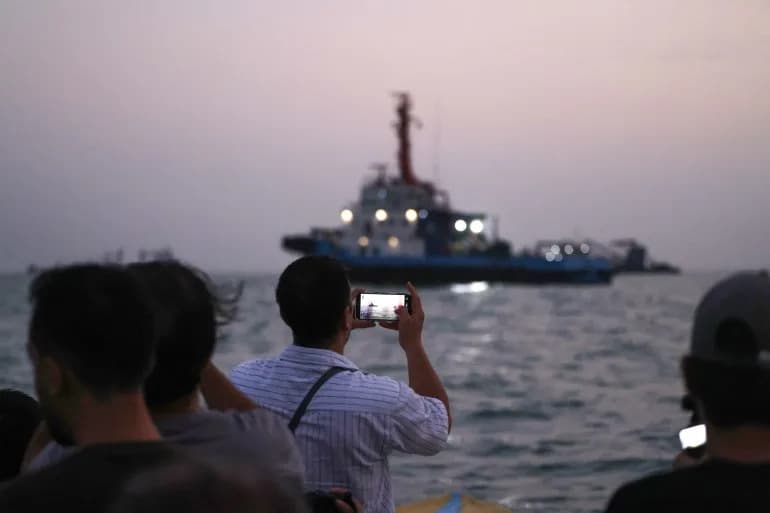
Global oil markets jumped amid the recent escalation in the Middle East. Crude hovered near $100 a barrel after exchanges of strikes between Iran, Israel and U.S. forces. Iran has struck Israeli targets, attacked U.S. military assets in the region, and targeted vessels transiting the Strait of Hormuz — a chokepoint that carries roughly 20% of global seaborne oil. Tehran has warned it could try to push prices higher by disrupting supplies.
Cramer’s Post And The Community Note
In a social media post, Cramer wrote:
If the infrastructure is not taken out and the money is not taken away why should Iran come to the peace table. They are taunting us with $200 oil. They do not have the cards; our military must be unleashed. Time to do what we did to Hanoi…to get them to the table.
A Community Note attached to the post linked to the Vietnam War article on Wikipedia and noted that the U.S. carried out large bombing campaigns against North Vietnam and that the conflict ultimately ended with a U.S. withdrawal.
Clarifications And Apology
Hours after the original post, Cramer published three follow‑up messages attempting to clarify his remarks. He said he did not want a “North Vietnam situation,” called such an outcome “terrible,” and emphasized the safety of American service members and the need for a resolution. He also apologized, writing that he did not intend to endorse a devastating campaign and that he was merely warning what could happen.
Wider Context
When the current round of strikes began, U.S. and Iranian negotiators had previously engaged in talks over Iran’s nuclear program; renewed hostilities have interrupted diplomatic channels. On television, Cramer also criticized President Donald Trump’s handling of the conflict, saying on CNBC’s Squawk on the Street that apparent indiscriminate actions were not producing results.
Casualties And Impact
Media reporting since the escalation on Feb. 28 has cited more than 1,300 Iranian fatalities, including reports of dozens of officials among the dead; several U.S. service members have also been killed and more wounded. The closure and disruption of passage through the Strait of Hormuz have roiled energy markets and raised concerns about broader regional escalation.
What This Means
The episode underscores the sensitivities around public calls for large‑scale military action and the role of social platforms and community‑sourced notes in flagging historical context. Cramer’s remarks prompted debate about strategy, the ethics of extreme wartime measures, and how references to past conflicts are used in contemporary policy debates.
Help us improve.