The Russian court will sentence defendants in the Crocus City Hall attack that killed about 150 people and wounded more than 600 on March 22, 2024. Prosecutors seek life terms for 15 men, including four Tajik nationals accused of carrying out the assault, and up to 22 years for four others. The trial has included allegations of mistreatment and reports that two defendants asked to be sent to fight in Ukraine instead of serving life sentences. The massacre, claimed by Islamic State, led to tougher anti-migrant policies and heightened tensions with Central Asian states.
Russia to Sentence Crocus City Hall Attackers After Deadly 2024 Massacre
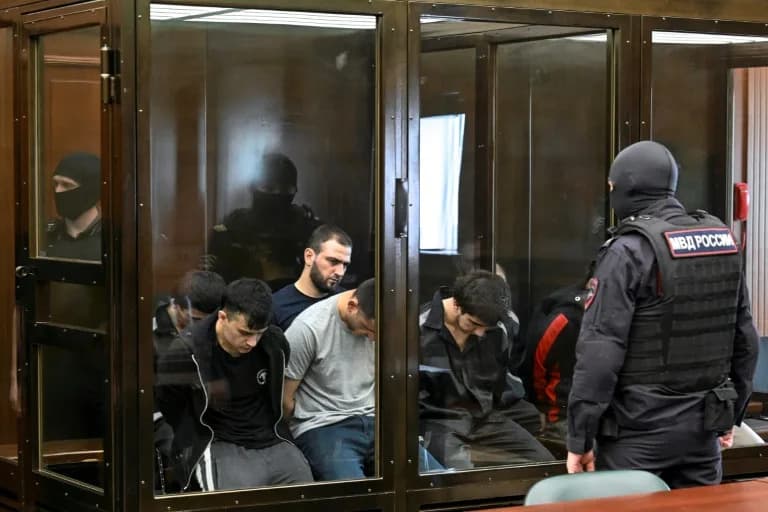
Defendants accused of involvement in the 2024 Crocus City Hall music in the Moscow suburbs that killed 149 people (Alexander NEMENOV)(Alexander NEMENOV/AFP/AFP)
A Russian court is set to hand down sentences in the case of the Crocus City Hall attack near Moscow on March 22, 2024, in which 150 people were killed and more than 600 wounded. Prosecutors have requested life terms for 15 defendants, including the four gunmen identified as Tajik nationals.
Attack and Casualties
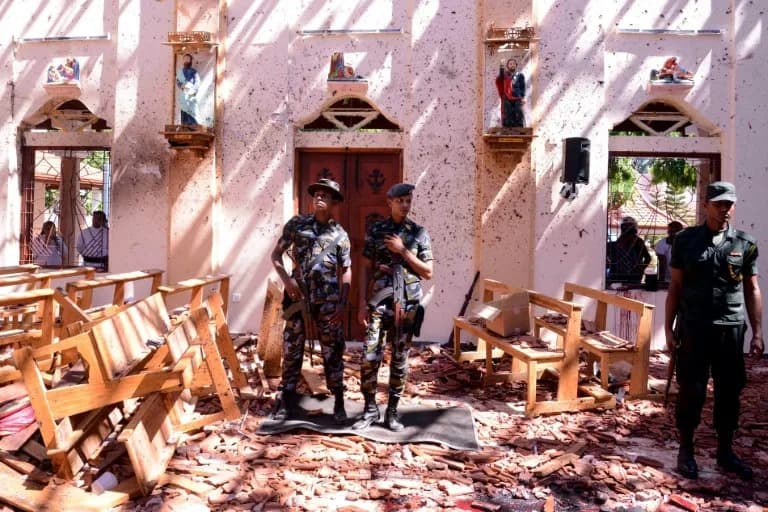
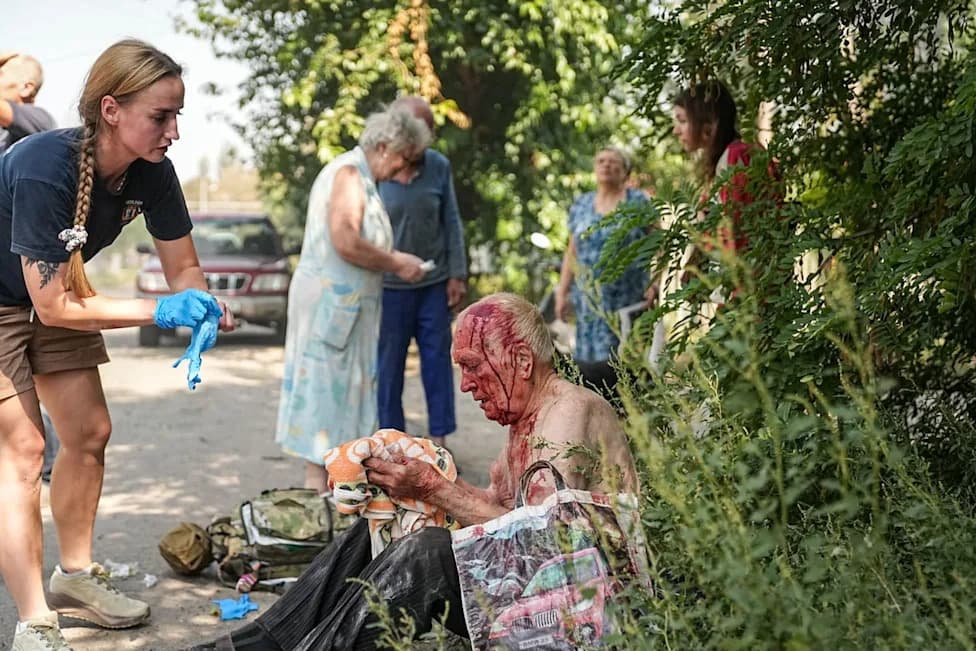
The assault occurred shortly before a concert by the rock band Picnic, when four men — Shamsidin Fariduni, Dalerdzhon Mirzoyev, Makhammadsobir Fayzov and Saidakrami Rachabolizoda — entered the packed venue, opened fire and then set parts of the building alight. The attack, claimed by Islamic State (IS), left about 150 dead, including six children, and more than 600 injured.
Defendants, Charges and Sentencing Requests
Prosecutors are seeking life sentences for the four alleged gunmen and 11 others accused of assisting them. Four additional defendants face prison terms of up to 22 years on charges tied to alleged terrorist links. Among the accused are people alleged to have sold the attackers a car or rented accommodation to one of them.
Unusual Court Statements and Recruitment Claims
Media reports cited by the TASS news agency say two defendants, Dzhabrail Aushyev and Khusein Medov, told the court they would prefer to be sent to fight in Ukraine rather than serve life sentences. Russia has recruited prisoners for frontline service in its Ukraine offensive, offering commuted sentences to those who survive; TASS quoted a lawyer saying Medov asked to "redeem his guilt with blood."
Allegations of Mistreatment and Closed Proceedings
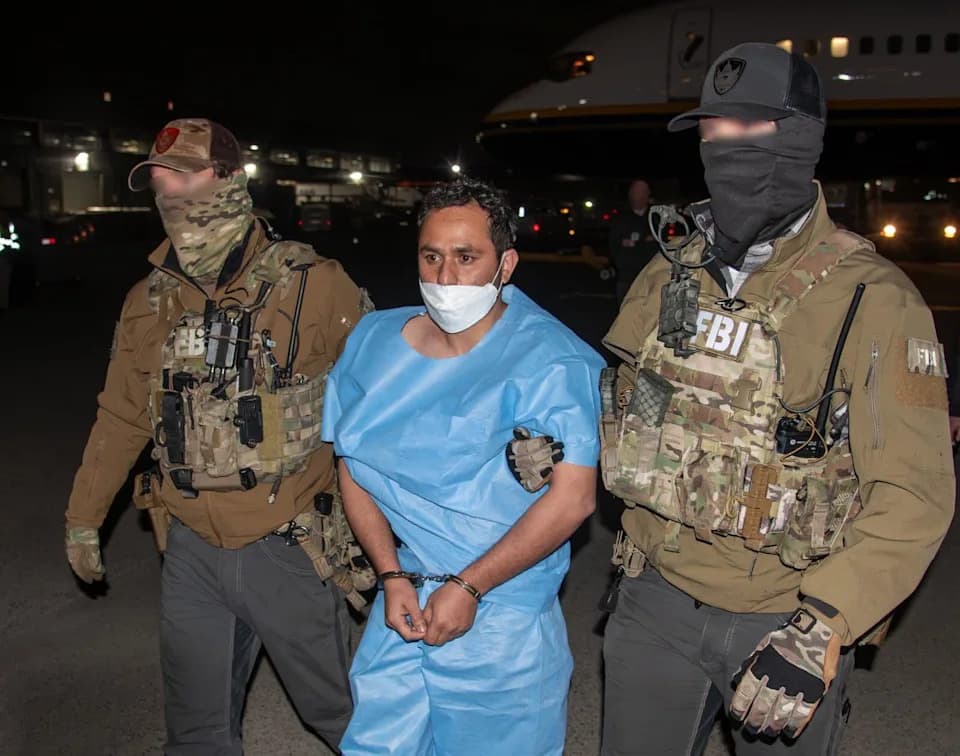
Hours after the attack the four alleged gunmen were displayed in court with visible injuries; videos circulating on social media and linked to security services showed bloody interrogations and one defendant barely conscious in a wheelchair. The trial took place behind closed doors, and defence lawyers and rights groups have raised concerns about the defendants' treatment and the transparency of proceedings.
Prosecutors have also requested that relatives of one attacker be stripped of Russian citizenship, further underscoring the case's wider legal and political consequences.
Broader Context and Fallout
The massacre occurred two years into Russia's military campaign in Ukraine, at a time when Moscow was facing setbacks on the battlefield. Russian authorities initially suggested a Ukrainian trace but have not presented public evidence to support that claim. In the attack's aftermath, Moscow tightened anti-migrant laws and stepped up hostile rhetoric toward migrants, straining relations with some Central Asian partners — important since Russia's economy depends heavily on migrant labor from the region.
Historical Comparison
The Crocus City Hall attack is the deadliest such incident in Russia since the 2004 Beslan school siege, which killed 334 people, most of them children.
The court's ruling, expected on Thursday, will determine sentences that could include life imprisonment for multiple defendants and will likely reverberate across Russia's domestic politics and relations with Central Asian states.
Help us improve.