President Trump said the U.S. would contribute "a little bit" to a proposed 400 million-barrel International Energy Agency release to ease price spikes linked to the U.S.-Israeli conflict with Iran, but did not specify the amount. The U.S. Strategic Petroleum Reserve holds about 415.4 million barrels (capacity ~714 million), stored in salt caverns in Texas and Louisiana. The factbox reviews past wartime SPR actions: Biden's 180-million-barrel drawdown after Russia invaded Ukraine; Obama’s 30-million-barrel release during Libya's civil war; contingency planning after the 2019 Saudi facility attacks; and the Desert Storm releases in 1990–1991.
How U.S. Presidents Have Used the Strategic Petroleum Reserve in Times of War — From Desert Storm to a Proposed 400M-Barrel IEA Release
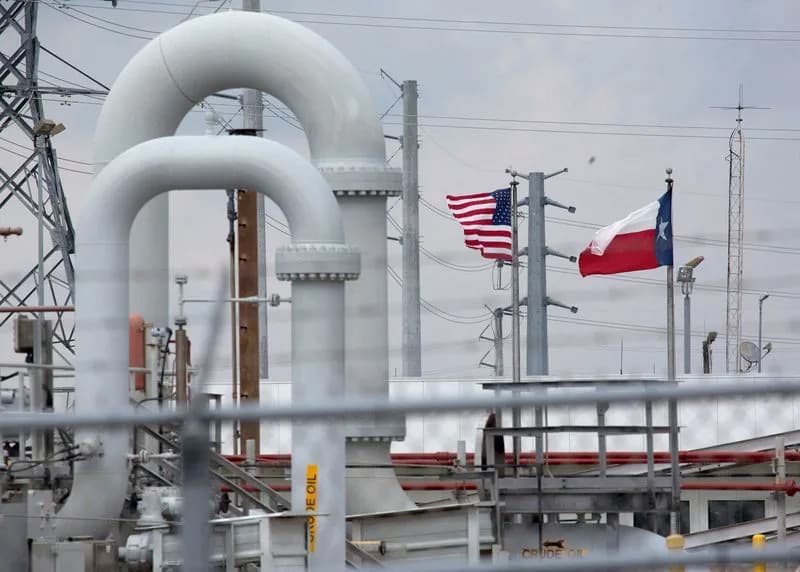
FILE PHOTO: A maze of crude oil pipe and equipment is seen with the American and Texas flags flying in the background during a tour by the Department of Energy at the Strategic Petroleum Reserve in Freeport, Texas, U.S. June 9, 2016. REUTERS/Richard Carson/File Photo
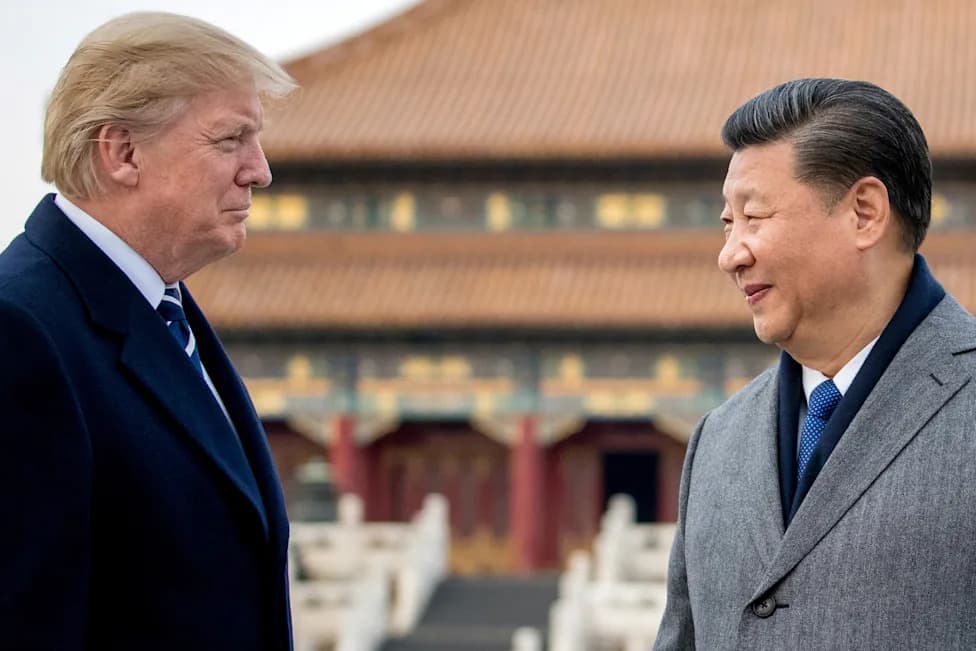
President Donald Trump said this week the United States would contribute "a little bit" to the International Energy Agency's plan for a record 400 million-barrel coordinated release from international emergency oil stocks to help calm price spikes tied to the U.S.-Israeli conflict with Iran. He did not specify how many barrels the U.S. would provide.
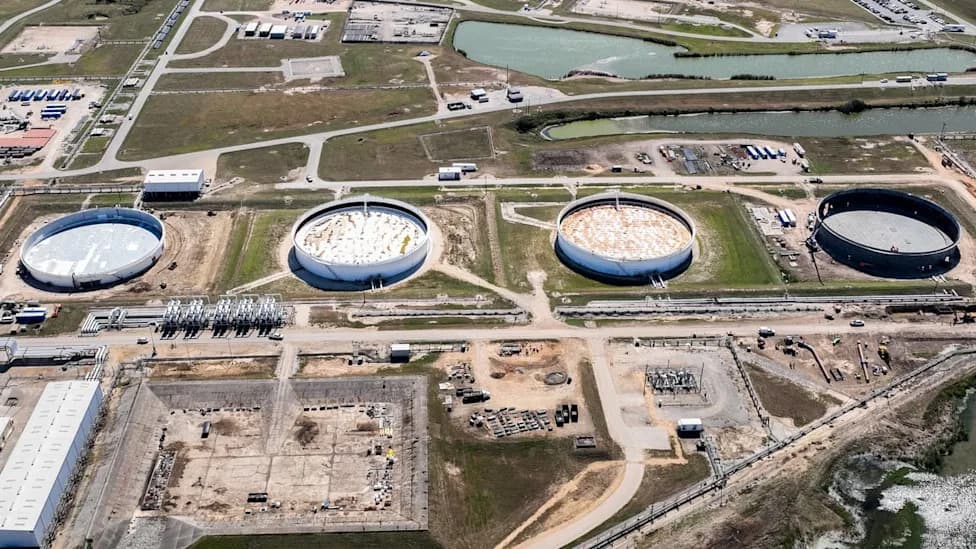
The U.S. Strategic Petroleum Reserve (SPR) holds about 415.4 million barrels today, mostly higher-sulfur ("sour") crude suited to many U.S. Gulf Coast refineries. The oil is stored in underground salt caverns along the coasts of Texas and Louisiana. The SPR's design capacity is roughly 714 million barrels.
How Presidents Have Tapped the SPR During Wars
The SPR has been used sparingly and usually in coordination with allies or the International Energy Agency when military conflicts or attacks threaten global oil supplies. Below are notable wartime or conflict-related actions by U.S. presidents.
Russia Invades Ukraine (March 2022)
President Joe Biden ordered the release of 180 million barrels to be sold over six months — the largest single drawdown in the reserve's history — after Russia invaded Ukraine. Limited purchases have been made since to begin replenishing the SPR, but a full refill has been constrained by the need for congressional appropriations.
Attack on Saudi Facilities (2019)
After strikes on Saudi Arabia's Abqaiq processing plant and the Khurais field in 2019, which briefly removed more than half of Saudi crude output, then-President Donald Trump said the administration stood ready to tap the SPR if needed. Oil output recovered quickly and the U.S. did not release oil from the reserve in response.
Libya Civil War (June 2011)
President Barack Obama authorized the release of 30 million barrels from the SPR to offset export disruptions caused by civil war in Libya. That release was coordinated with the Paris-based International Energy Agency, which prompted an additional 30 million-barrel release from IEA member countries.
Operation Desert Storm (1990–1991)
Following Iraq's invasion of Kuwait, the U.S. used the SPR in two phases. A 3.9 million-barrel test sale occurred in October 1990. In January 1991, as allied air operations began under Operation Desert Storm, a larger allocation was approved: 34 million barrels were allocated for release, of which about 17.3 million were actually sold. In total, roughly 21 million barrels were sold in that period to stabilize markets.
Why the SPR Is Used Carefully
The SPR is intended as an emergency backstop, not a routine market tool. Releases are typically targeted, coordinated with allies when possible, and depend on the specific disruption, refinery compatibility with the available crude, and congressional funding to replenish stocks afterward.
Bottom line: The SPR has been tapped during major supply shocks tied to war or attacks, but releases are measured, often coordinated internationally, and refilling the reserve can be slow without congressional support.
Help us improve.