Democrats are finding success by stressing civility and empathy. James Talarico’s recent win in Texas and the rise of figures such as Zohran Mamdani and Abigail Spanberger illustrate a broader trend: voters respond to candidates who emphasize respect, competence and practical solutions over personal attacks. Polling in Texas shows Talarico with a favorable personal rating (+6) compared with deep negatives for Ken Paxton (−24) and John Cornyn (−28), highlighting the potential turnout cost for unpopular, combative politicians. If sustained, this “nice-guy” approach could shape competitive House, Senate and presidential races in the coming years.
Nice Wins in Texas and Beyond: How 'Nice Guy' Democrats Are Turning Civility Into Votes

When Democratic Senate nominee James Talarico declared victory in Texas last week, he cast the result as a rebuke of Trump-era political venom and a call for a different style of public life. Talarico promised a clean break from that toxicity, arguing that “a new politics is being born,” one in which the central contest is not left versus right but “top versus bottom.”
At his celebration, supporters held signs invoking Jesus’ teaching to “Love thy neighbor,” underscoring the moral tone Talarico emphasized throughout his campaign.
Why Civility Is Working
At first glance, Talarico — a pragmatic, centrist Democrat — may look different from other breakout figures on the left. But together with rising Democrats such as Zohran Mamdani, a New York-based progressive, and Abigail Spanberger, the former Virginia congresswoman, he represents a broader trend: voters are responding to campaigns built on empathy, competence and decency rather than personal attacks and scorched-earth rhetoric.
In an era of mean-spirited personal attacks and a temptation to mirror the worst features of national political combat, candidates who emphasize unifying values and practical solutions are often outperforming those who embrace relentless partisanship. These politicians make the case that polarization and personal invective have hollowed out institutions and alienated ordinary citizens — and they offer a different way: listen, govern, and treat people respectfully.
Examples From Recent Races
Abigail Spanberger’s success in recent Virginia contests owes in part to her focus on listening across ideological lines. While some opponents ran on divisive cultural attacks, Spanberger traveled into conservative areas to hold candid conversations about local economic issues and federal workforce cuts — and many voters ultimately trusted her motives even where they disagreed on policy.
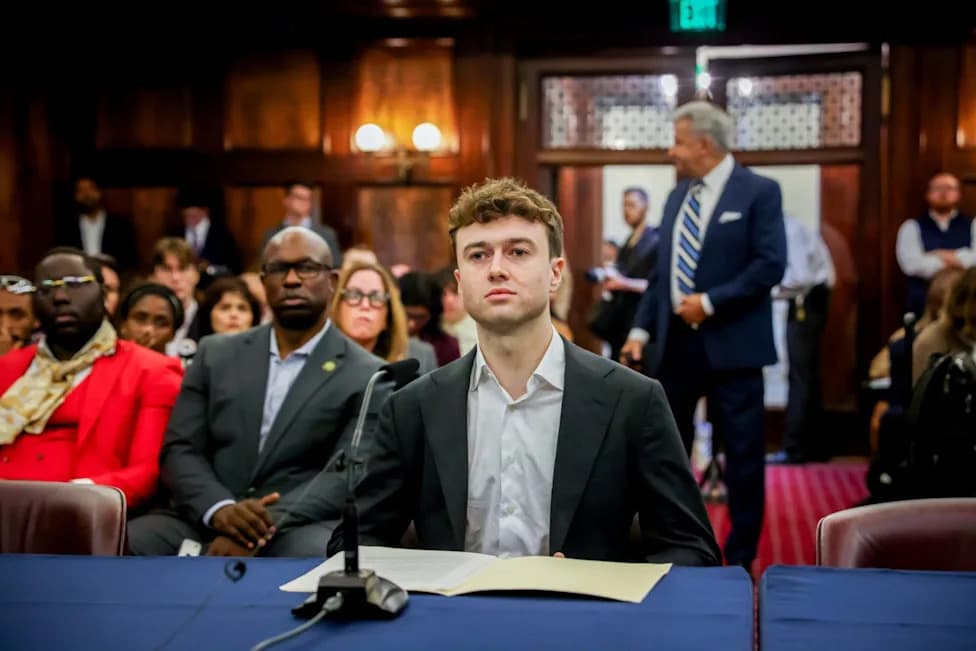
Zohran Mamdani mounted an optimistic, pragmatic campaign in a heated primary that contrasted sharply with a negative incumbent-driven contest. His mix of charisma and a “fix-the-potholes” approach to governing earned high turnout and broad approval: a Siena poll cited an approval rating near 68 percent in his locality in January.
Texas: A Test Case
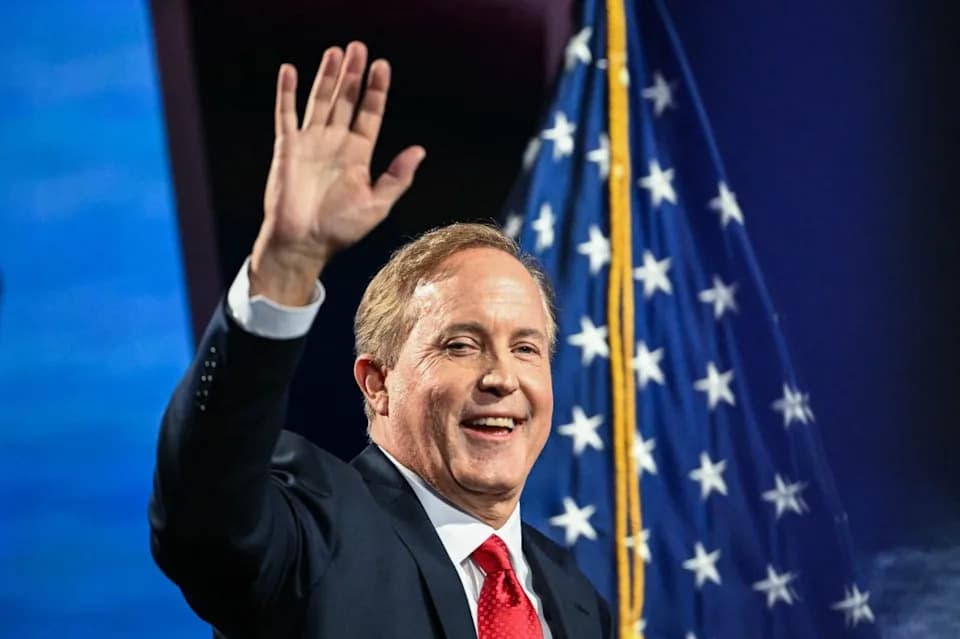
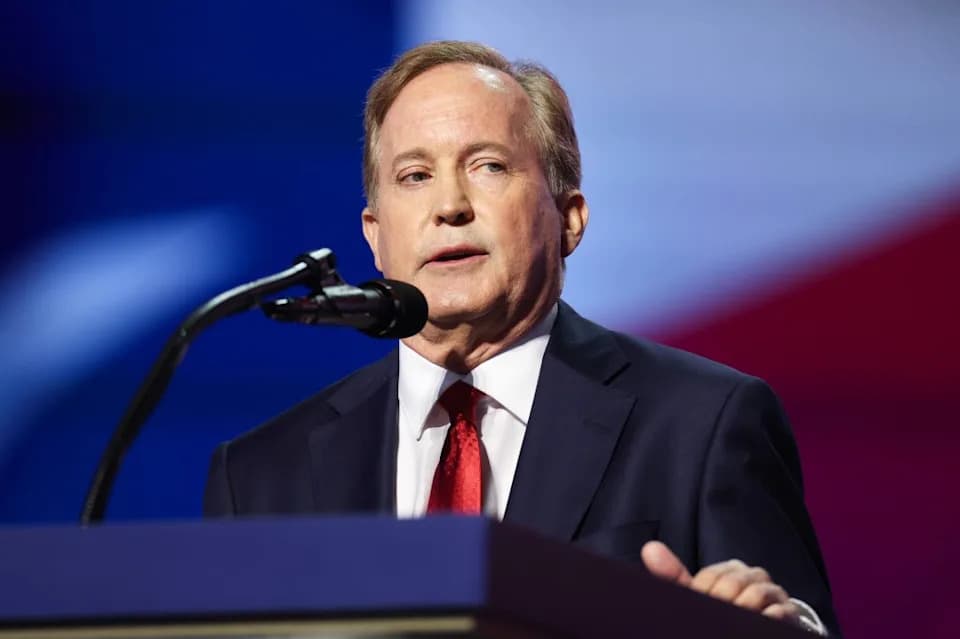
Talarico’s Texas victory underscores how character and kindness can cut across ideological boundaries. Facing an opponent known for combative, hyperpartisan politics — notably Texas Attorney General Ken Paxton — Talarico repeatedly framed the race around rebuilding political trust and bridging divides.
In response, the Texas Republican Party attacked Talarico’s Christian faith after he publicly rejected divisive Christian nationalism in favor of everyday compassion. That strategy risks reinforcing the very polarization Republicans claim to oppose: many voters — including some conservative churchgoers — have reacted positively to Talarico’s openness about his faith and his emphasis on service.
Recent polling by Public Policy Polling showed Talarico narrowly leading both Paxton and incumbent Sen. John Cornyn. More instructive are the favorability ratings: Talarico at +6 versus Paxton at −24 and Cornyn at −28. Historically, candidates with deeply negative personal ratings face turnout difficulties — a dynamic the author terms the “nasty-guy tax.”
What This Means Ahead
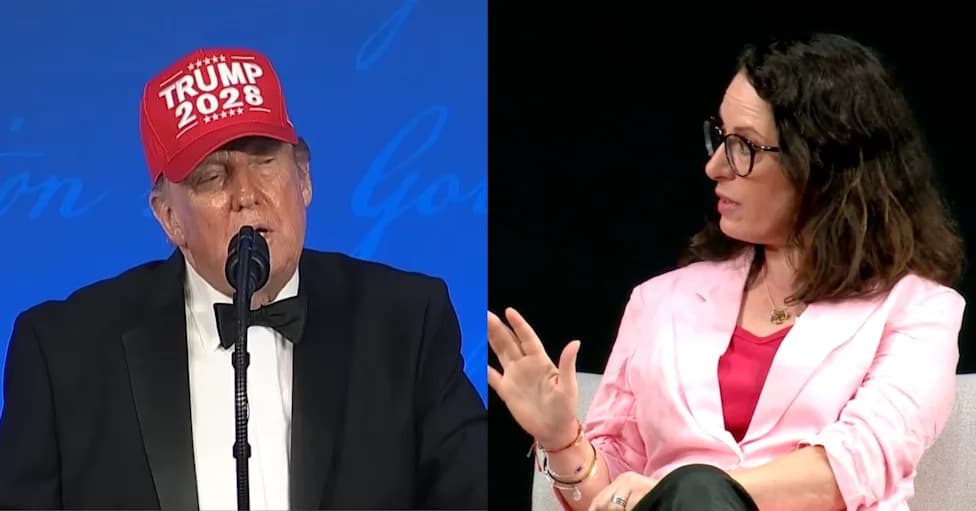
Trump-aligned strategists often treat niceness as a handicap, arguing that toughness and theatrical conflict energize bases. But across diverse races from New York and Virginia to Texas, Democrats who emphasize respect, problem-solving and personal decency are demonstrating electoral advantages among voters fatigued by acrimony. If that trend continues, civility-focused campaigns could matter in congressional and presidential contests ahead.
Max Burns is a veteran Democratic strategist and founder of Third Degree Strategies.
Help us improve.