Key Takeaway: After recent U.S.-Israeli strikes on Iran, Russian commentators and some officials say Washington’s actions have eroded trust in its ability to mediate the Ukraine conflict. Analysts warn the strikes strengthen hard-line voices in Moscow who favor military solutions, even as Russian officials continue talks with U.S. envoys. Kyiv remains committed to negotiations but is simultaneously pressing to improve its battlefield position to strengthen its leverage.
After Strikes on Iran, Russian Commentators Say U.S. Can’t Be Trusted in Ukraine Talks
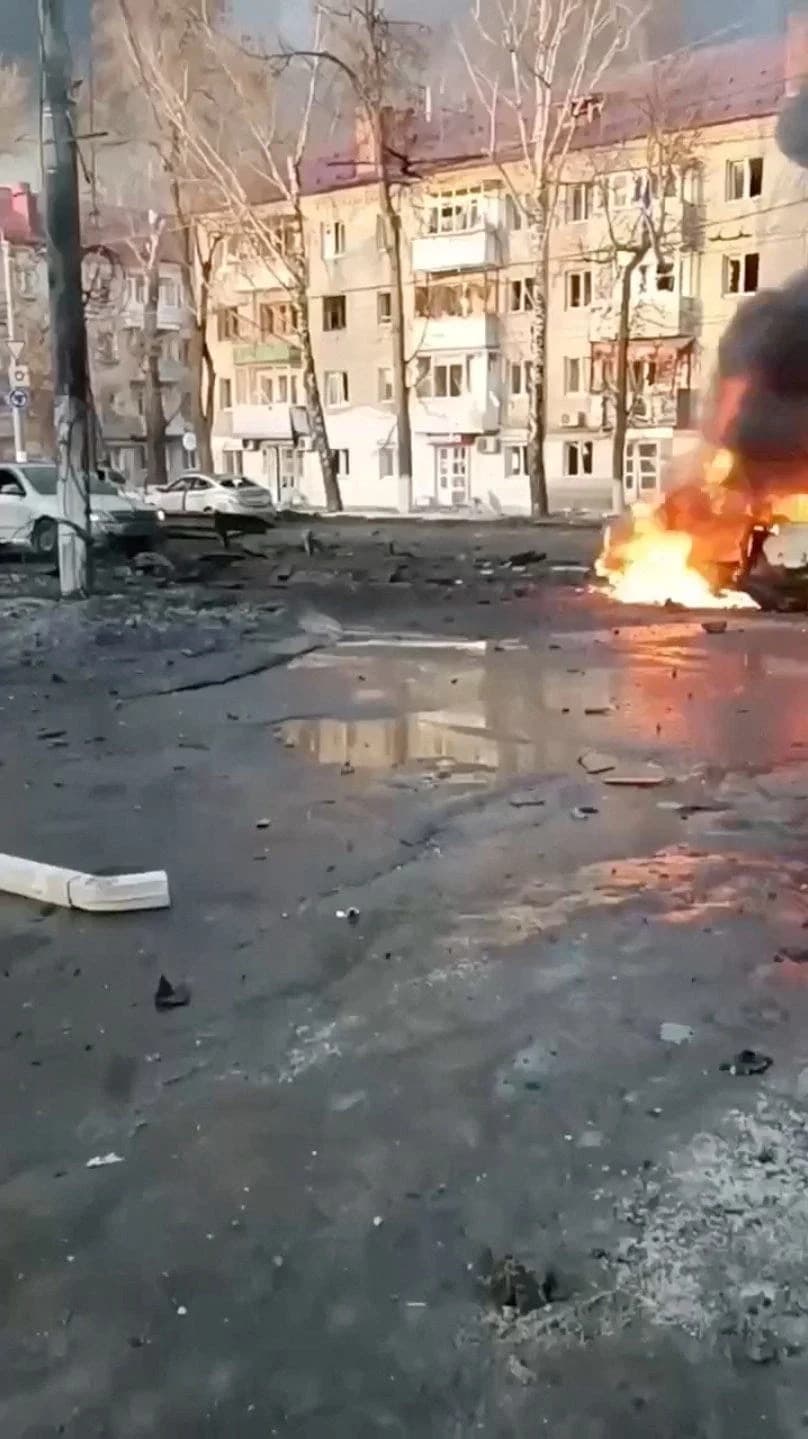
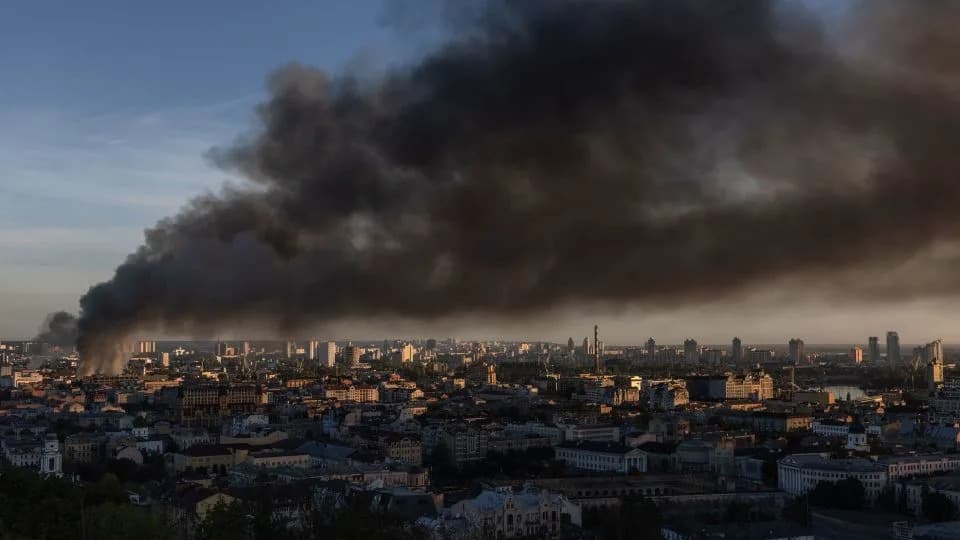
A fire burns in the aftermath of a Ukrainian strike on a Russian missile plant, in the course of the Russia-Ukraine conflict, in Bryansk, Russia March 10, 2026 in this screen grab from socal media video.
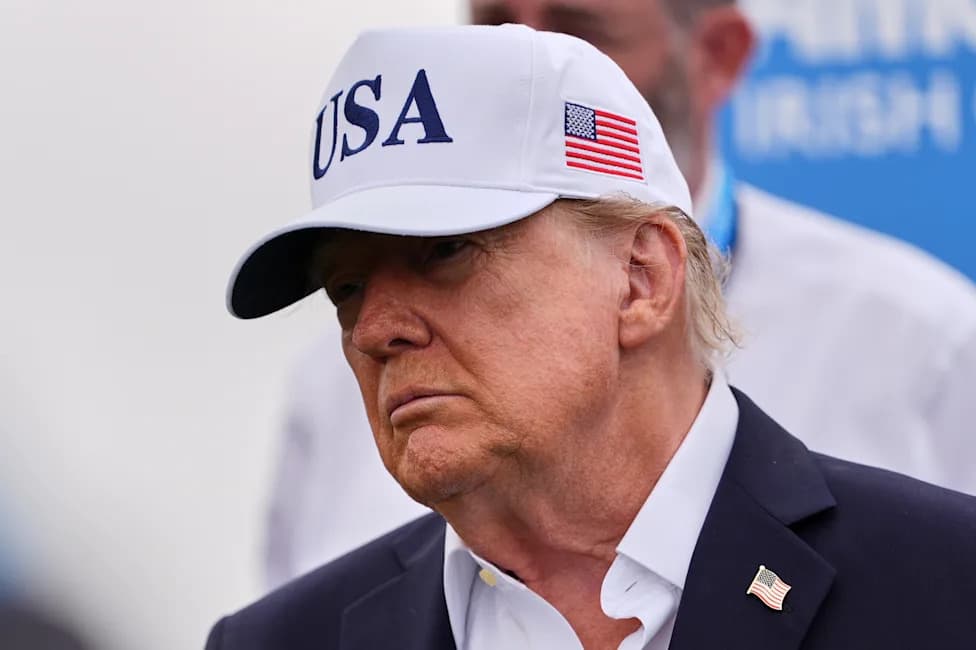
Since U.S.-Israeli strikes on Iran began, Russian state media and political commentators have questioned whether talks with Washington can be trusted when military action so visibly follows diplomacy. A recent op-ed in the pro-Kremlin newspaper Moskovsky Komsomolets warned that President Donald Trump, while publicly pressing for a peace deal to end the war in Ukraine, is “devouring” partners one by one and promising cooperation that may not be reliable.
In that column, Dmitry Popov asked whether Moscow should stop placing faith in diplomatic overtures. His piece has resonated with hard-liners in the Kremlin who interpret the strikes as evidence that diplomacy is fragile — and that the broader conflict over Ukraine may ultimately be decided on the battlefield rather than at the negotiating table.
Analysts Say Events Undermine Trust
Prominent Russian foreign-policy analyst Fyodor Lukyanov, who advises senior officials, told a Russian radio station that the strikes signal “a transition to a different type of international relations” in which “at any moment, you can move from being a person sitting across the table to becoming a victim.” He asked how negotiations can proceed if parties fear unexpected, direct attacks.
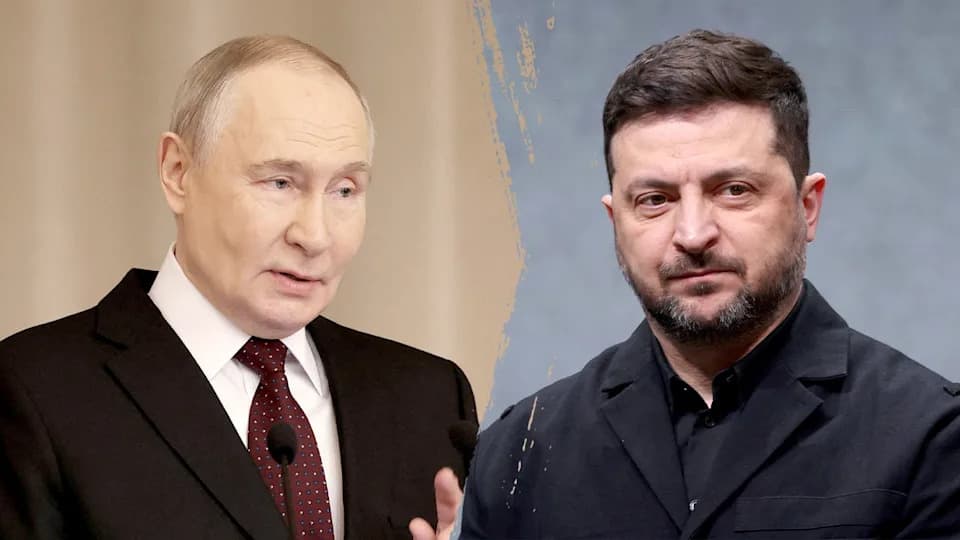
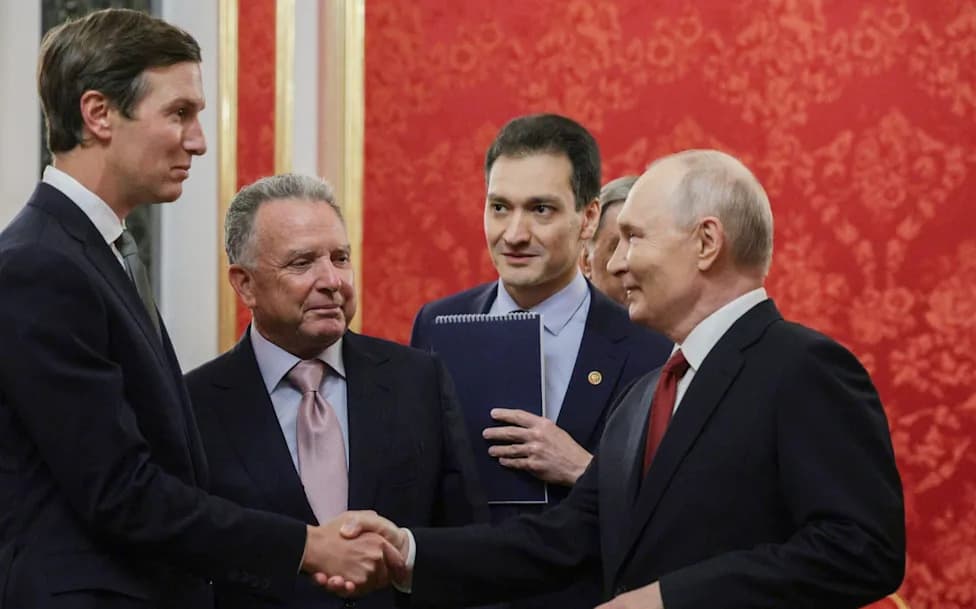
Russian officials have continued to engage with U.S. envoys in recent weeks. Moscow dispatched representatives to meet U.S. envoys in Geneva, even as Kremlin officials stress they are viewed as a threat by Washington and NATO allies. Still, with U.S. attention focused on the Middle East, the timetable for the next round of Ukraine talks is uncertain.
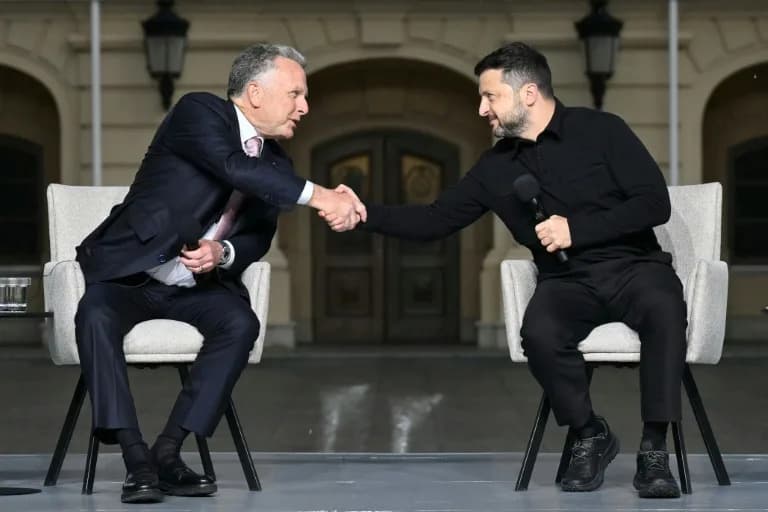
Ukrainian President Volodymyr Zelensky said a planned session in Turkey was postponed at Washington’s request: “We were ready to go to Turkey. It was the American side that postponed it, saying, ‘Let’s do it next week,’” he told Ukrainian media.
Conflicting Claims on Intelligence and Influence
The question of whether Moscow has aided Iran militarily has become a flashpoint. U.S. envoys say Russia denied sharing intelligence with Iran during recent calls, while reporting in Western outlets has suggested possible Russian assistance to Iranian operations. U.S. and NATO partners have provided targeting help to Ukraine during its defense against the Russian invasion, and any allegations of intelligence-sharing remain contested and politically fraught.

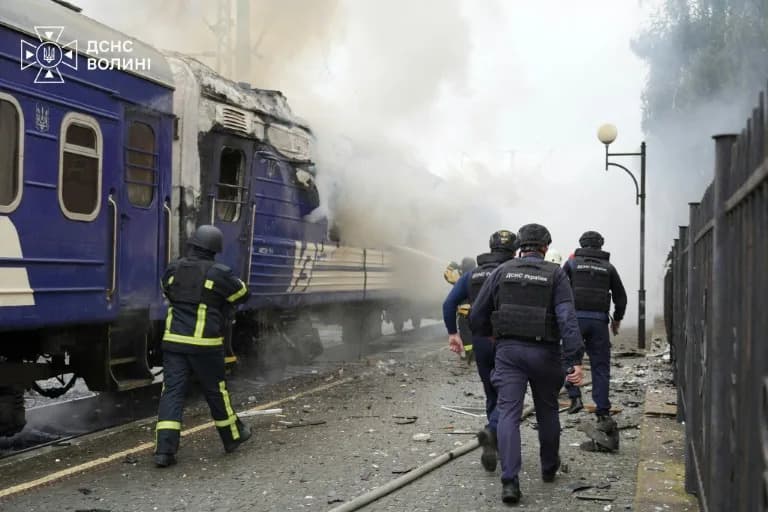
The body of a worker lies on the floor at a meat processing plant which was hit during Russian drone strike, amid Russia's attack on Ukraine, in Kharkiv, Ukraine March 11, 2026.
Proponents of Russia’s military approach argue that recent events validate their belief that military strength, not diplomacy, will determine outcomes. Vladimir Pastukhov, a Russian political scientist and honorary professor at University College London, argued that perceptions of Western crisis management reinforce Kremlin doubts about negotiating in good faith.
Kremlin Balances Criticism and Leverage
Despite frustration in some quarters, the Kremlin has been cautious about openly severing ties with Trump, mindful of ongoing negotiations and potential leverage. Sam Greene, director of the Russia Institute at King’s College London, noted that Moscow is unlikely to burn bridges with a U.S. administration it sees as a source of leverage over Europe.
At the same time, Moscow may perceive short-term strategic benefits from broader regional instability — higher oil prices, a distracted U.S., and the possibility that some Western military shipments could be diverted to the Middle East.
Ukraine Stays Committed to Talks — While Fighting Continues
Kyiv, for its part, remains publicly committed to negotiations even as it works to strengthen its battlefield position. Many Ukrainian analysts and officials voice concerns about Washington’s impartiality as a mediator, citing episodes in which U.S. rhetoric appeared to align with Russian demands or where deadlines were pressed for political reasons. Mykola Bielieskov, a Kyiv-based analyst, said Ukraine is trying to adjust U.S. proposals while maintaining dialogue with the Trump team.
For now, Ukrainian leaders say serious negotiations will depend on whether Moscow faces higher costs on the battlefield. As Zelensky put it in a recent interview, “serious negotiations will begin when his army starts shrinking.”
Outlook
In short, U.S.-Israeli strikes in the Middle East have heightened distrust among Russian commentators and reinforced the influence of hard-line voices in Moscow who favor military solutions. That dynamic complicates diplomacy and makes the next steps in Ukraine negotiations more uncertain.
Help us improve.