Iran warned the world to prepare for oil prices reaching $200 a barrel as it continued strikes across the Middle East and three more merchant ships were hit in the Gulf, bringing reported ship attacks to 14. Oil briefly spiked before easing, while the IEA was expected to recommend a record 400 million-barrel release from strategic reserves. Large funerals in Iran underscored rising civilian casualties — Tehran reports more than 1,300 dead — and Iran threatened attacks on banks linked to the U.S. or Israel.
Iran Warns Oil Could Hit $200 a Barrel as Gulf Attacks Continue; IEA May Release 400M Barrels
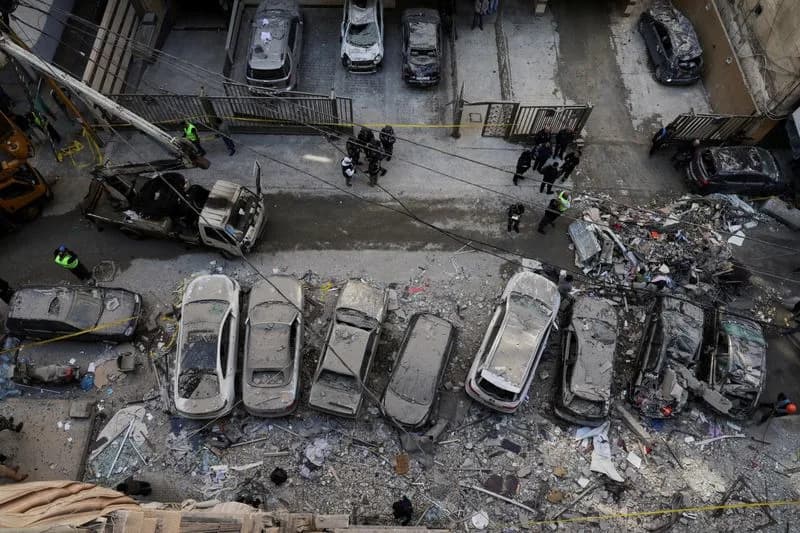
Debris and damaged vehicles at the site of an Israeli strike on an apartment building, in central Beirut, Lebanon, March 11, 2026, following an escalation between Hezbollah and Israel amid the U.S.-Israeli conflict with Iran. REUTERS/Emilie Madi
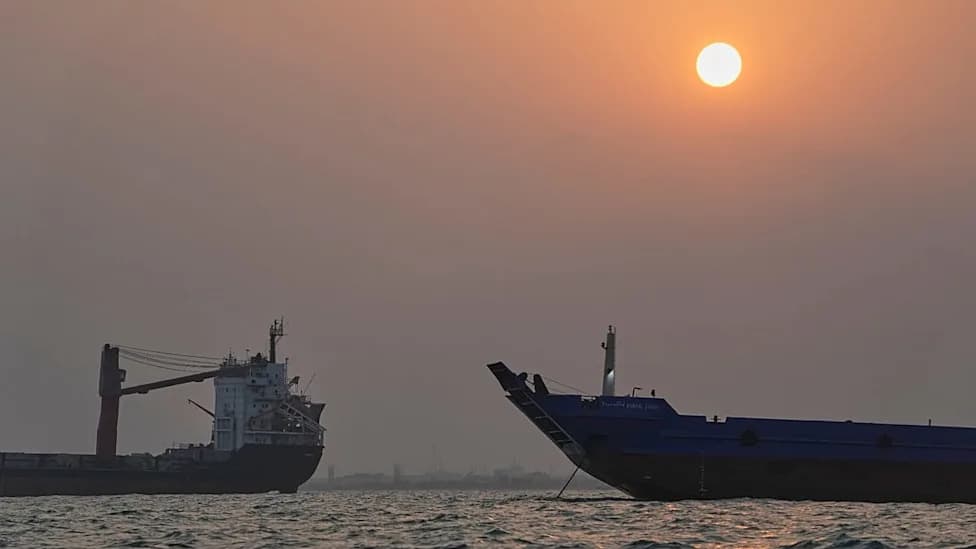
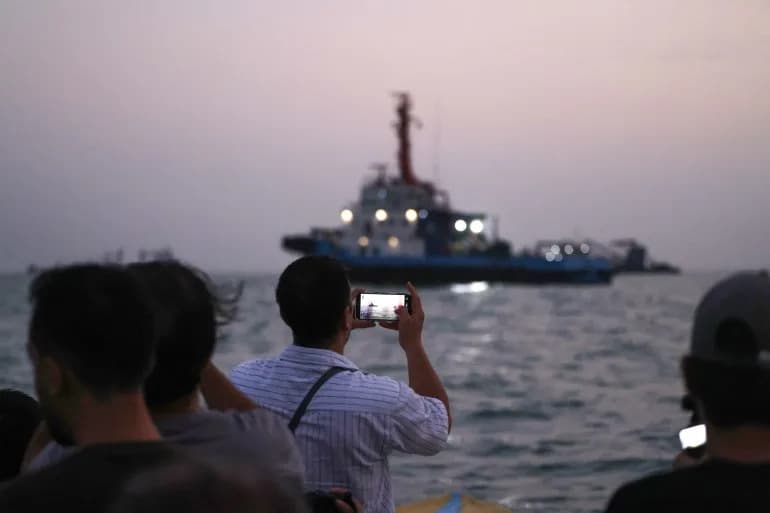
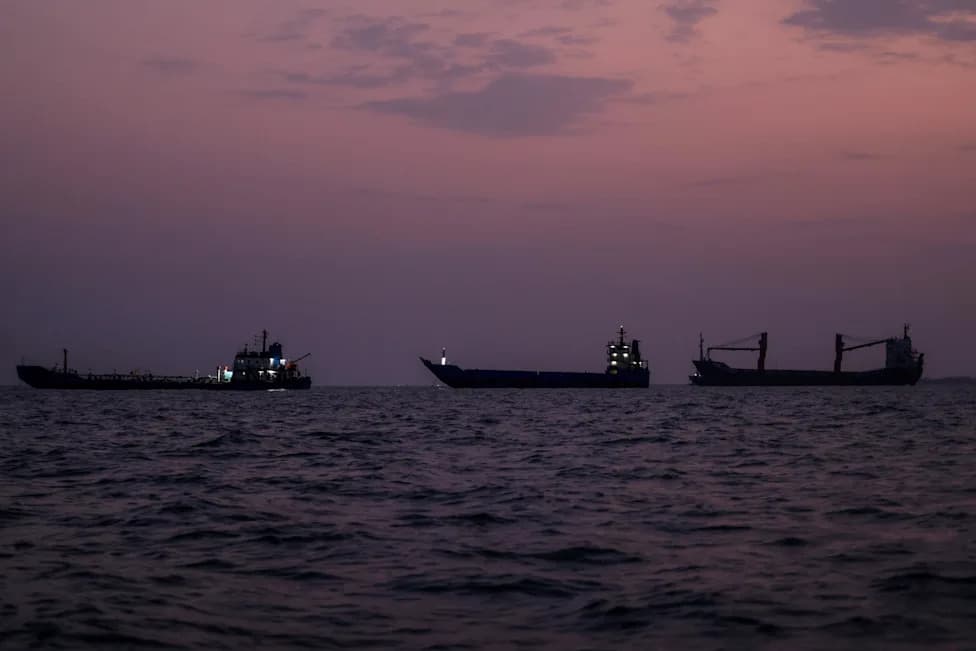
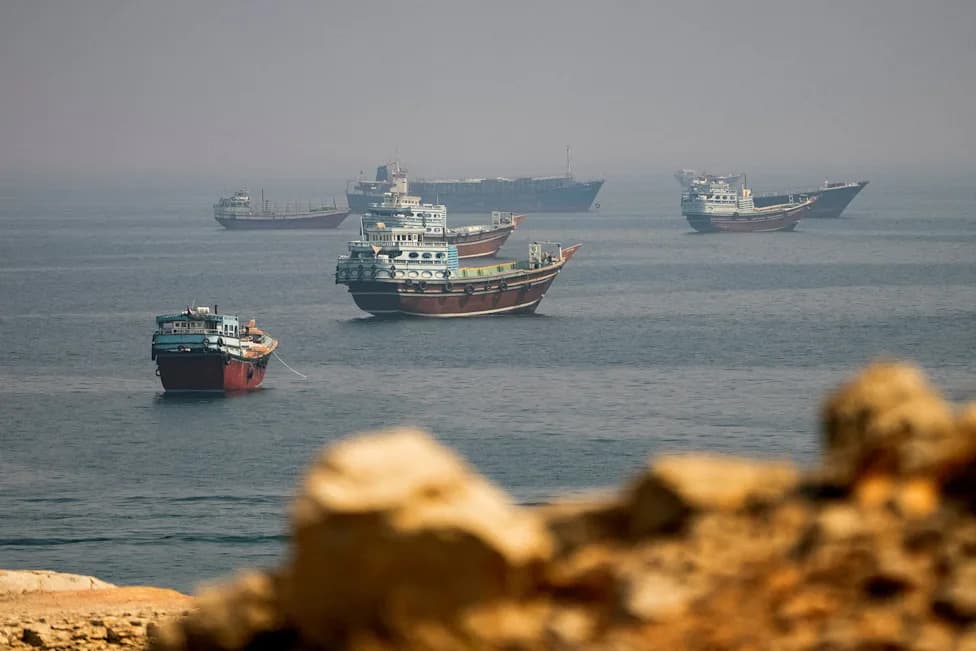
DUBAI/TEL AVIV, March 11 (Reuters) - Iran's military command warned on Wednesday that global oil prices could rise to $200 a barrel as attacks continued across the Gulf and three more merchant ships were struck in waters effectively blockaded near the Strait of Hormuz.
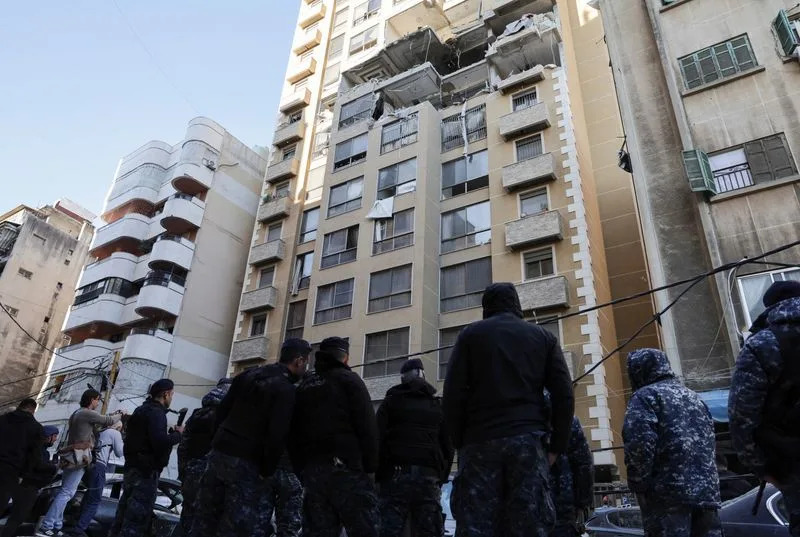
Emergency personnel stand near a damaged apartment building in the aftermath of an Israeli strike, in central Beirut, Lebanon, March 11, 2026, following an escalation between Hezbollah and Israel amid the U.S.-Israeli conflict with Iran. REUTERS/Emilie Madi
The strikes — which Tehran presented as evidence that it can still retaliate and disrupt energy routes despite heavy U.S.-Israeli air operations — coincided with fresh damage to maritime traffic and mounting civilian casualties across the region.
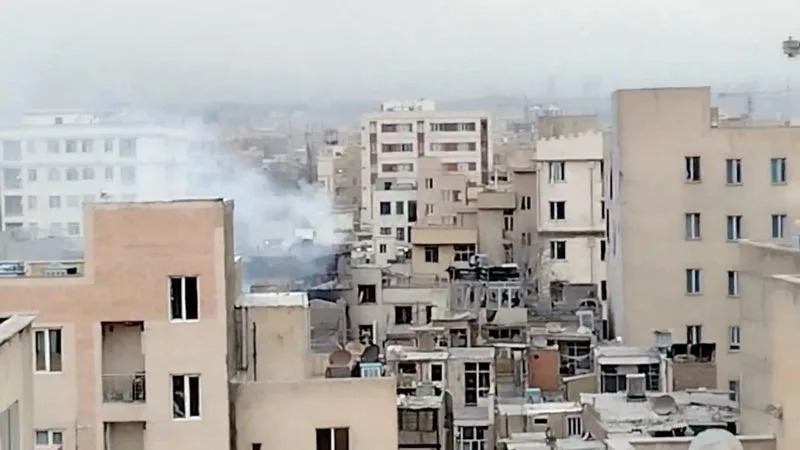
Smoke rises from a building following a reported strike, amid the U.S.-Israeli conflict with Iran, in Tehran, Iran in this screen grab obtained from social media video released March 11, 2026. Social Media/via REUTERS
Shipping, Oil Markets and Strategic Reserves
Maritime security agencies reported three additional merchant vessels hit by unknown projectiles in the Gulf, bringing the number of ships reportedly struck since the conflict began to 14. A Thai-flagged bulk freighter caught fire and its crew were evacuated; a Japan-flagged container ship and a Marshall Islands-flagged bulk carrier were also reported damaged.
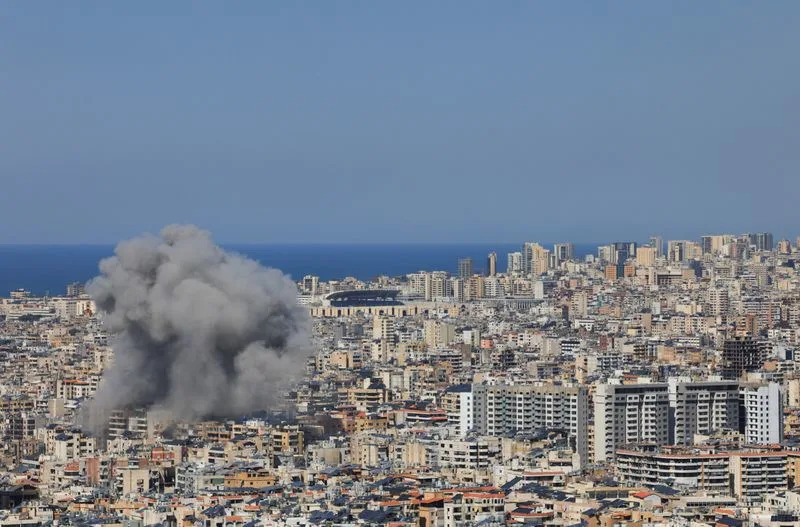
Smoke rises after an Israeli strike on Beirut's southern suburbs, Lebanon, March 11, 2026, following an escalation between Hezbollah and Israel amid the U.S.-Israeli conflict with Iran. REUTERS/Raghed Waked
Oil briefly spiked to nearly $120 a barrel earlier in the week before settling around $90 as markets weighed the prospect of a rapid U.S. move to end the fighting and reopen the strait. Governments were nevertheless considering drastic measures to stabilise supply: the International Energy Agency was expected to propose a record release of some 400 million barrels from global strategic reserves — a move that would take months to organise and would equal roughly three weeks of flow through the strait.
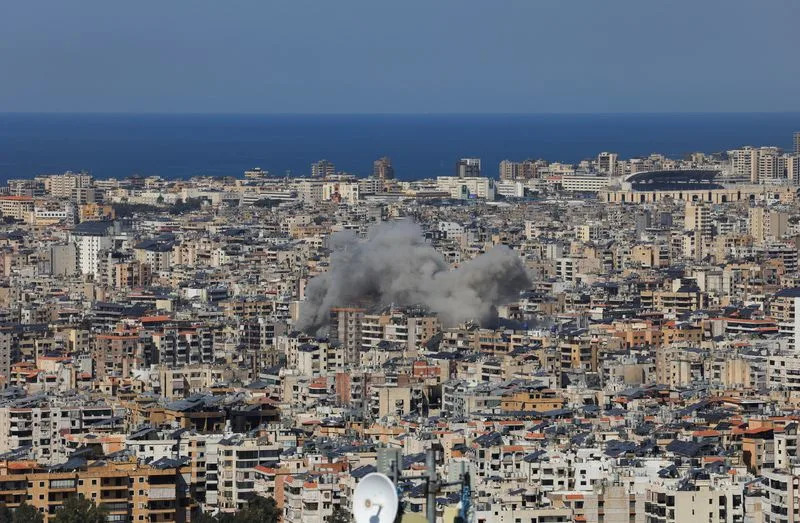
Smoke rises after an Israeli strike on Beirut's southern suburbs, Lebanon, March 11, 2026, following an escalation between Hezbollah and Israel amid the U.S.-Israeli conflict with Iran. REUTERS/Raghed Waked
Iran's Warnings and Threats
"Get ready for oil be $200 a barrel, because the oil price depends on regional security which you have destabilised," said Ebrahim Zolfaqari, spokesman for Iran's military command, addressing the United States.
Zolfaqari also warned of retaliatory strikes on banks that do business with the United States or Israel after offices of a bank in Tehran were hit overnight, and urged people across the region to keep at least 1,000 metres away from banks.
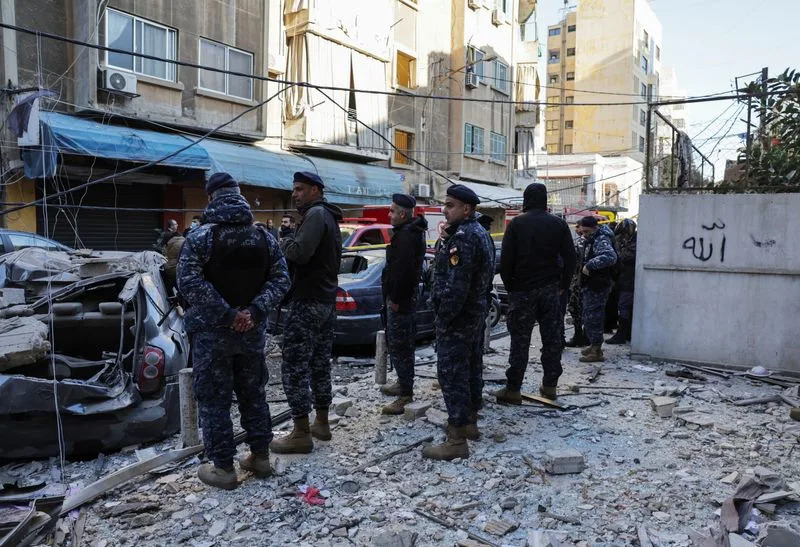
Emergency personnel stand near debris and damaged vehicles at site of an Israeli strike on an apartment building, in central Beirut, Lebanon, March 11, 2026, following an escalation between Hezbollah and Israel amid the U.S.-Israeli conflict with Iran. REUTERS/Emilie Madi
On-the-Ground Impact and Casualties
Huge crowds held funerals for senior commanders killed in airstrikes, carrying caskets and displaying portraits of Supreme Leader Ali Khamenei and his son Mojtaba. An Iranian official told Reuters Mojtaba Khamenei had been lightly injured early in the conflict in an attack that reportedly also killed several relatives; he has not appeared in public since the fighting began.
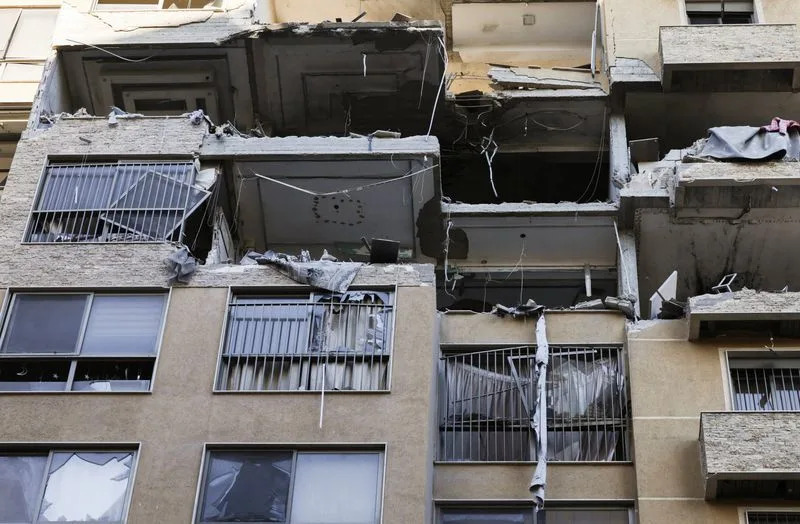
A damaged apartment building in the aftermath of an Israeli strike, in central Beirut, Lebanon, March 11, 2026, following an escalation between Hezbollah and Israel amid the U.S.-Israeli conflict with Iran. REUTERS/Emilie Madi
Iran's UN ambassador said more than 1,300 Iranian civilians had been killed since U.S. and Israeli airstrikes began on Feb. 28. Iranian strikes on Israel have killed at least 11 people, and two Israeli soldiers have died in Lebanon. Washington says seven U.S. soldiers have been killed and around 140 wounded.
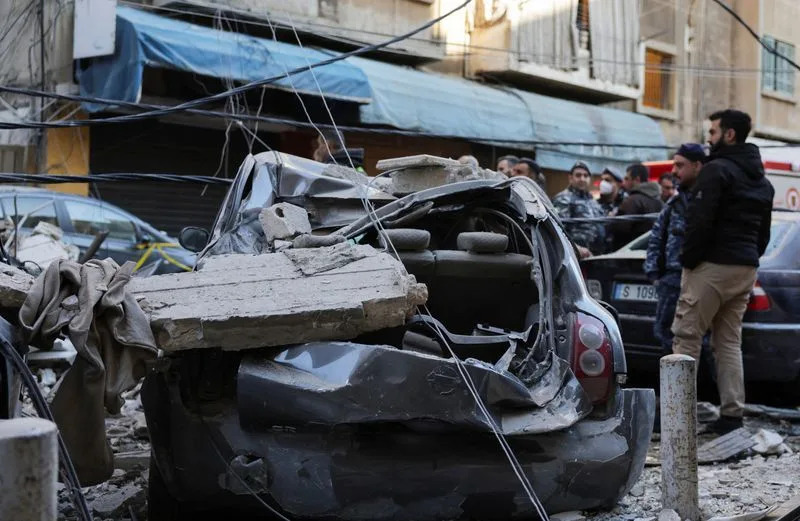
Debris lies on a damaged vehicle at site of an Israeli strike on an apartment building, in central Beirut, Lebanon, March 11, 2026, following an escalation between Hezbollah and Israel amid the U.S.-Israeli conflict with Iran. REUTERS/Emilie Madi
Regional Military Moves
The Iranian military said it had fired missiles at a U.S. base in northern Iraq, at the U.S. naval headquarters for the Middle East in Bahrain, and at targets in central Israel. Explosions were reported in Bahrain, while in Dubai four people were injured when two drones crashed near the airport. In Israel, air defences intercepted missiles and sirens sent civilians to shelters. Israel also launched strikes on Beirut targeting Hezbollah positions.
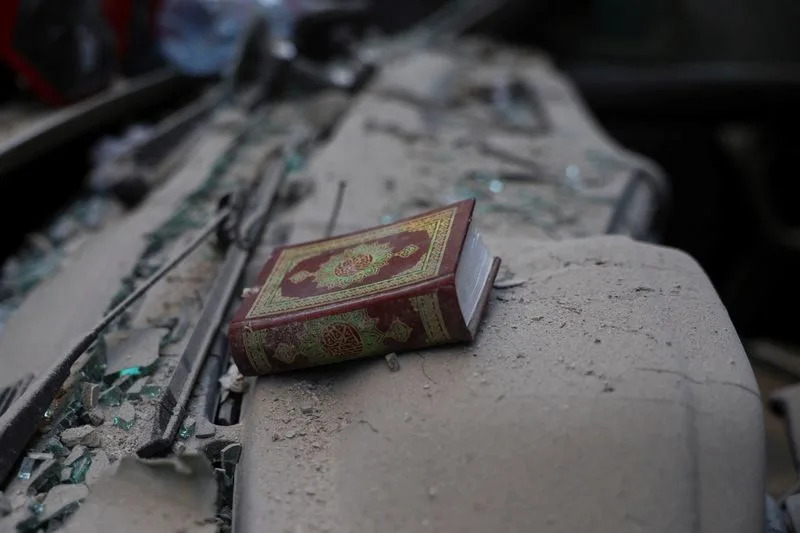
A Koran sits on the dashboard of a damaged vehicle at the site of an Israeli strike on a apartment building, in central Beirut, Lebanon, March 11, 2026, following an escalation between Hezbollah and Israel amid the U.S.-Israeli conflict with Iran. REUTERS/Emilie Madi
Israeli officials told Reuters that Israel remains committed to an open-ended campaign to achieve its objectives. U.S. officials say their goals include curbing Iran's ability to project power beyond its borders and degrading its nuclear capabilities.
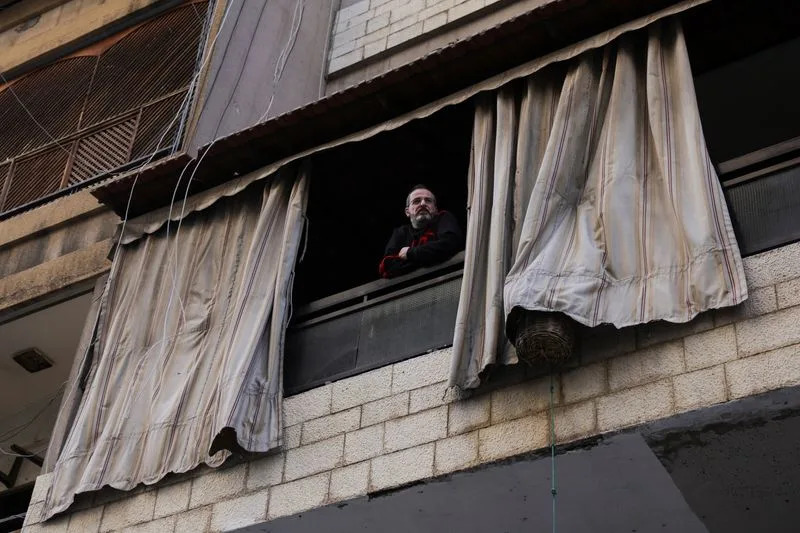
A man looks out from the balcony of a building, damaged in an Israeli strike on a nearby apartment building, in central Beirut, Lebanon, March 11, 2026, following an escalation between Hezbollah and Israel amid the U.S.-Israeli conflict with Iran. REUTERS/Emilie Madi
Broader Risks
With the Strait of Hormuz effectively blocked and no immediate plan announced to reopen it, the longer the conflict continues the greater the risk to the global economy and energy markets. Even a large release from strategic reserves would be a temporary measure and would take time to implement.
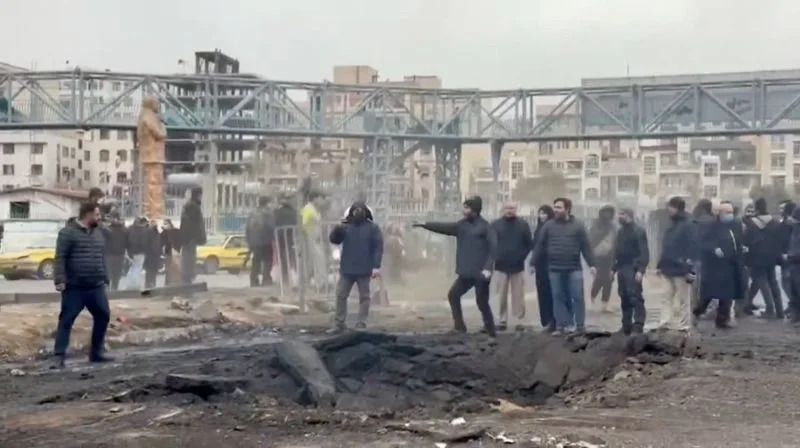
People stand at an affected area on the street, following a reported strike, amid the U.S.-Israeli conflict with Iran, in Tehran, Iran, in this screengrab from a a handout video released March 10, 2026. Iranian Red Crescent Society/Handout via REUTERS
(Reporting by Parisa Hafezi in Dubai, Alexander Cornwell in Tel Aviv and Reuters bureaux; Writing by Peter Graff; Editing by Sharon Singleton)
Help us improve.