The White House has stepped back from plans to supersede Los Angeles’ local permitting rules for wildfire recovery, limiting federal action to a narrow SBA self-certification rule and hands-on EPA assistance embedded in local offices. EPA Administrator Lee Zeldin says the move has spurred cooperation between federal and local officials and helped speed permit reviews. However, major hurdles remain: roughly 16,000 properties were damaged, high construction costs and insurance delays persist, and Gov. Newsom’s $33.9 billion funding request has not been approved by Congress.
Federal Takeover Of LA Wildfire Rebuild Falters — Cooperation Replaces Confrontation
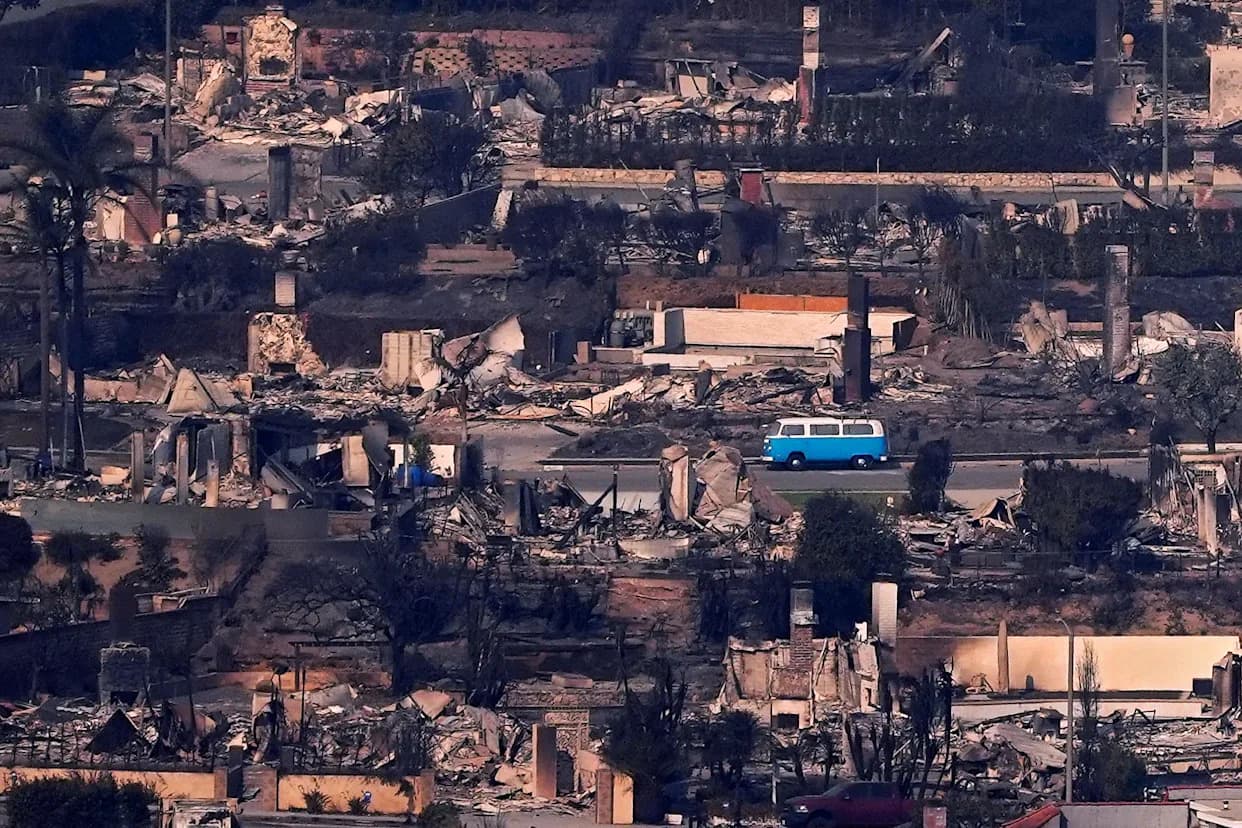
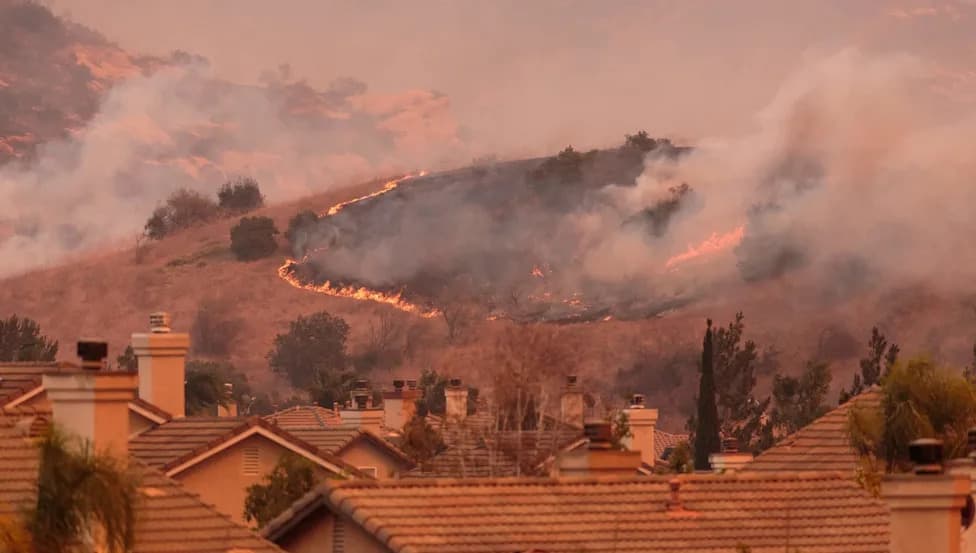
President Donald Trump’s push to seize control of permitting for the rebuilding of neighborhoods hit by the Palisades and Eaton wildfires in Los Angeles has effectively stalled. Rather than issuing broad new federal regulations, the administration limited its formal action to a narrow Small Business Administration (SBA) self-certification rule for some disaster-aid recipients and deployed Environmental Protection Agency (EPA) staff to work alongside local permit offices.
What Happened
After President Trump issued an executive order in late January directing agencies to develop rules to override local permitting within 30 days, federal officials ultimately decided not to advance sweeping regulations. The only permitting-related regulation put forward was an SBA measure that allows property owners who received federal disaster assistance and whose permit applications have been pending for 60 days to self-certify compliance with building, health and safety codes and begin construction while local inspections and final approvals continue.
Trump on signing the order: 'I want to see if we can take over the city and state and just give the people their permits they want to build.'
Federal-Local Cooperation
EPA Administrator Lee Zeldin — appointed by the president to coordinate the federal response after the January 2025 blazes — framed the retreat from a takeover as a shift toward practical collaboration. Federal employees have been embedded with city and county permitting offices, reviewing outstanding applications and making thousands of calls to homeowners and builders to help clear administrative roadblocks.
Local leaders who initially criticized the idea of a federal takeover have publicly praised the hands-on assistance. Los Angeles Mayor Karen Bass and Los Angeles County Supervisor Kathryn Barger have both credited targeted federal engagement with improving permitting workflow and communications.
On-the-Ground Realities
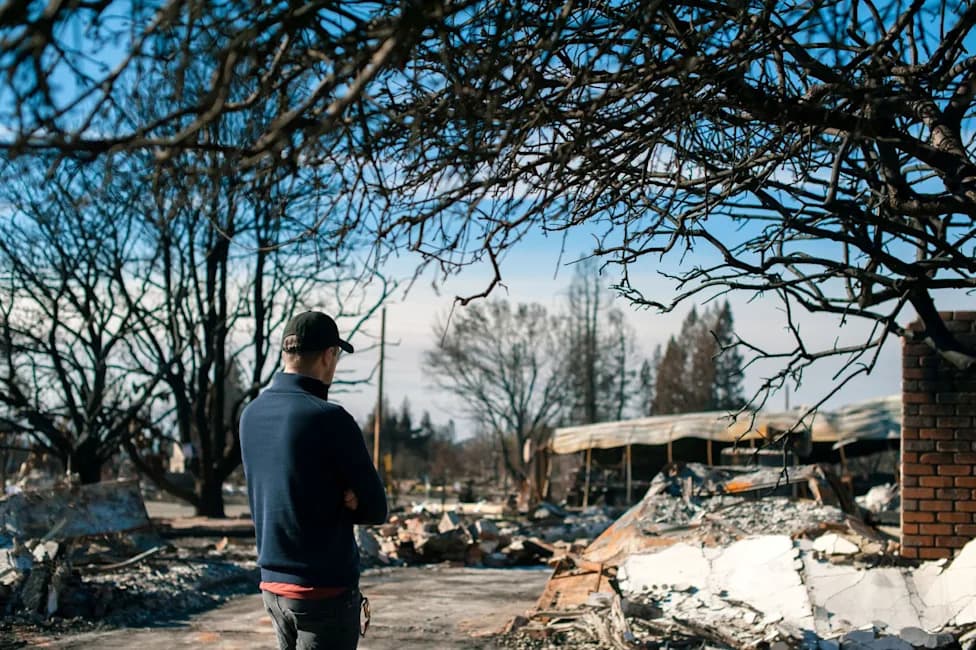
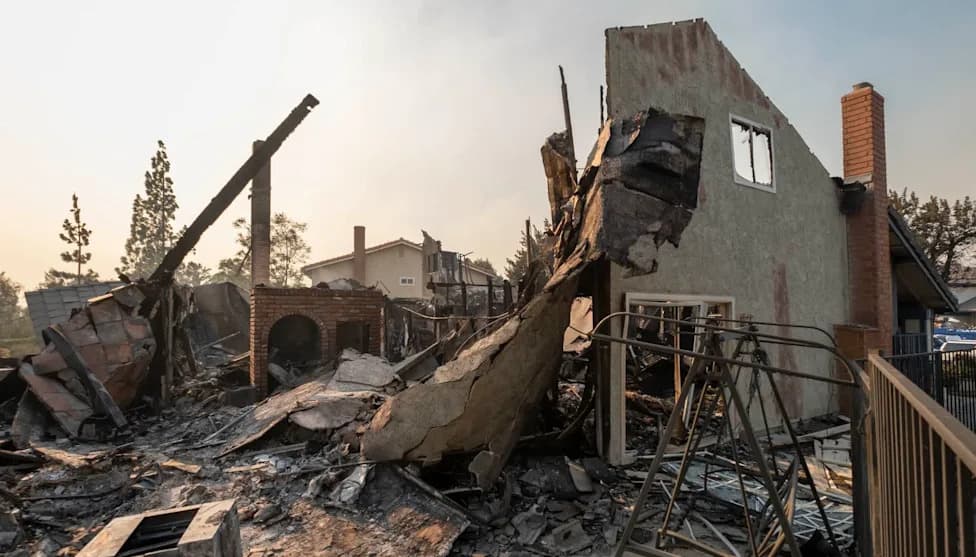
The Palisades and Eaton fires destroyed roughly 16,000 homes, businesses and other properties across coastal and inland Los Angeles. A year later, only a handful of homes have been rebuilt. Local builders and residents say permitting was only one of several obstacles: high construction costs, stalled federal recovery funding and slow insurance reimbursements remain the primary barriers to reconstruction.
SBA officials noted the agency issued about 12,600 disaster loans for Los Angeles last year. Yet multiple builders told reporters that none of their clients had widely used the SBA self-certification route; instead, they cited money and insurance as the limiting factors.
Legal And Political Stakes
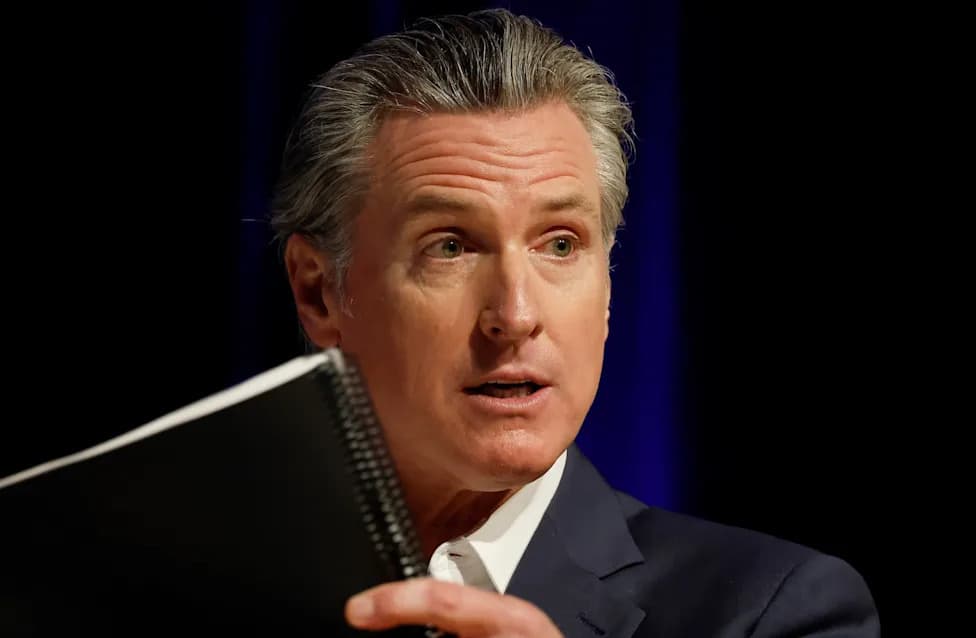
Legal experts questioned whether a broad federal takeover of local land-use decisions would withstand constitutional scrutiny — zoning and permitting are core municipal responsibilities. The executive order’s combative tone also intensified political sparring: Gov. Gavin Newsom requested $33.9 billion in long-term aid, a figure the federal coordinator has criticized as inflated, and Congress has not approved the full package.
Outlook
Officials and community leaders say the tone has improved and that collaboration is producing practical results, but the biggest outstanding challenge remains funding. Survivors and recovery groups welcome the new engagement and say information flow and responsiveness have improved, while advocates continue to press for timely federal funding and faster insurance settlements so rebuilding can scale up.
Help us improve.