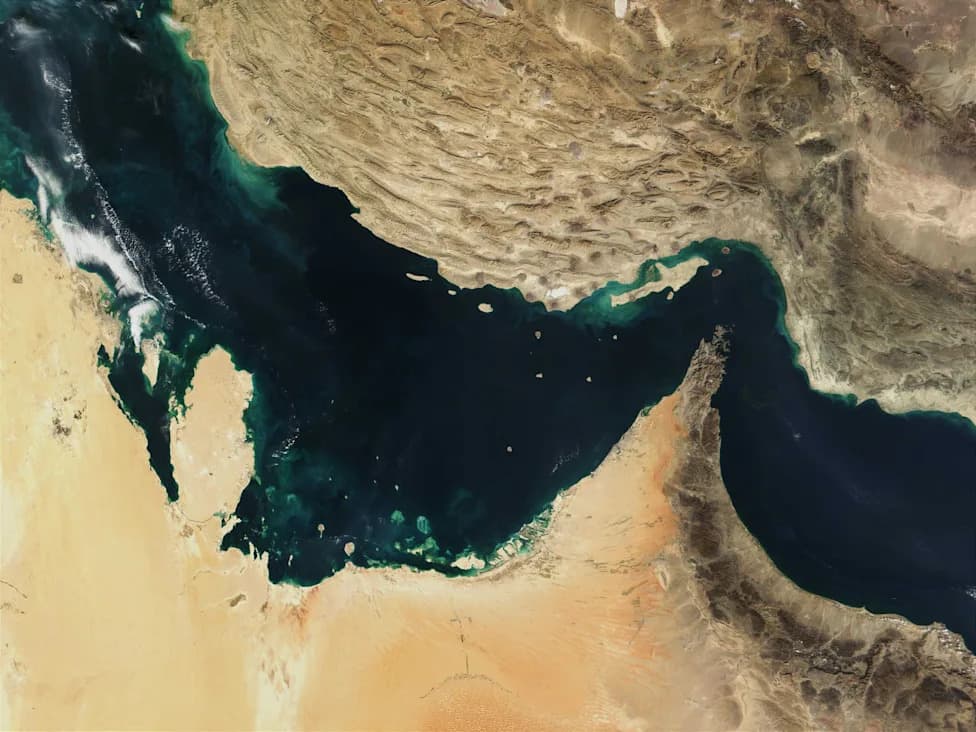
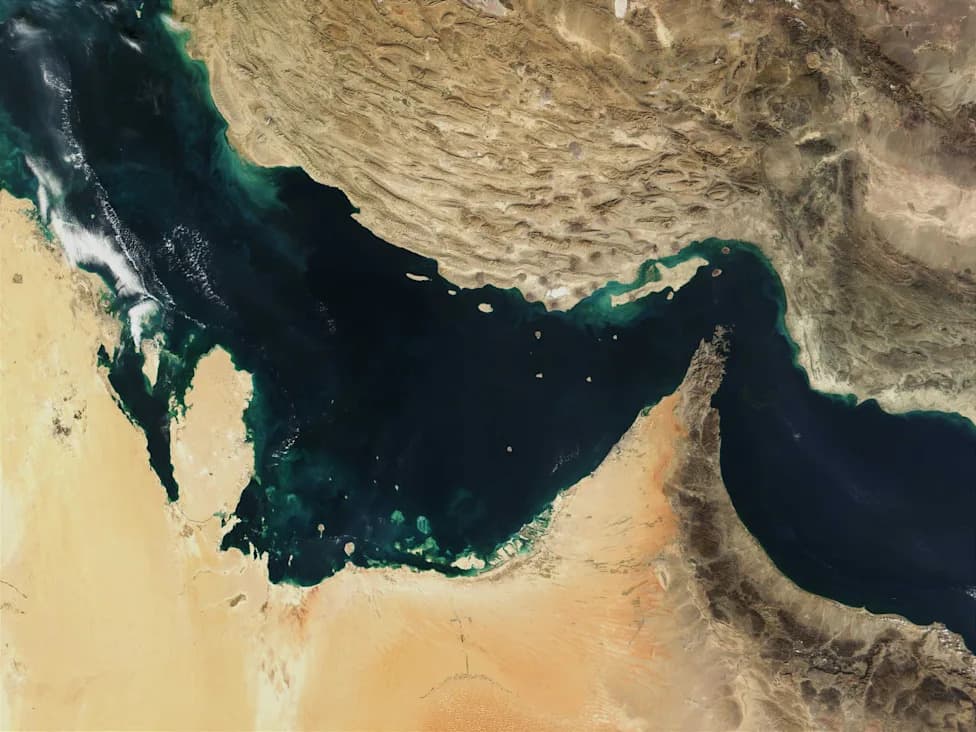
About 10 vessels in or near the Strait of Hormuz were attacked in the week after Iran sealed the waterway following US‑Israeli strikes, according to maritime agencies and data firms. The attacks have effectively halted routine shipping through the strait — which normally carries about 20% of global oil and LNG — and tanker traffic reportedly fell by roughly 90% in a week. Several vessels were struck and at least seven deaths were reported, though casualty counts vary between sources; rescuers aiding damaged ships may also be at elevated risk. International responses remain mixed as countries consider escort operations and coalition measures to secure key sea lanes.
Around 10 Vessels Struck Near Strait of Hormuz; Shipping Nearly Halted, Analysts Say
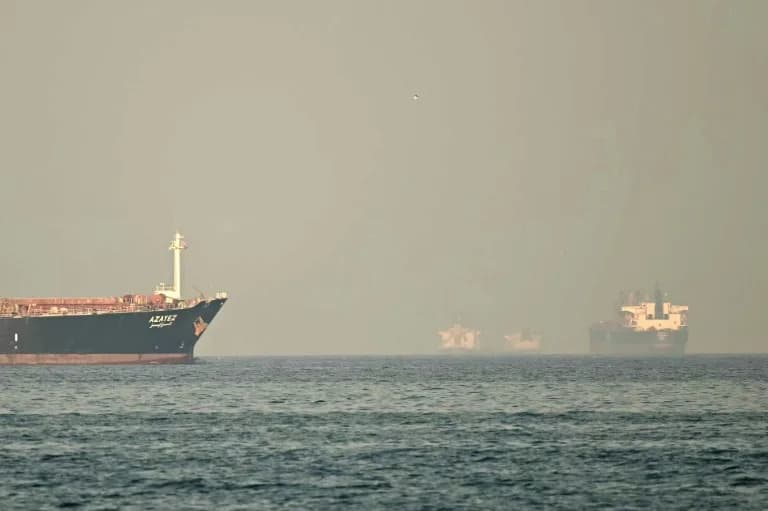
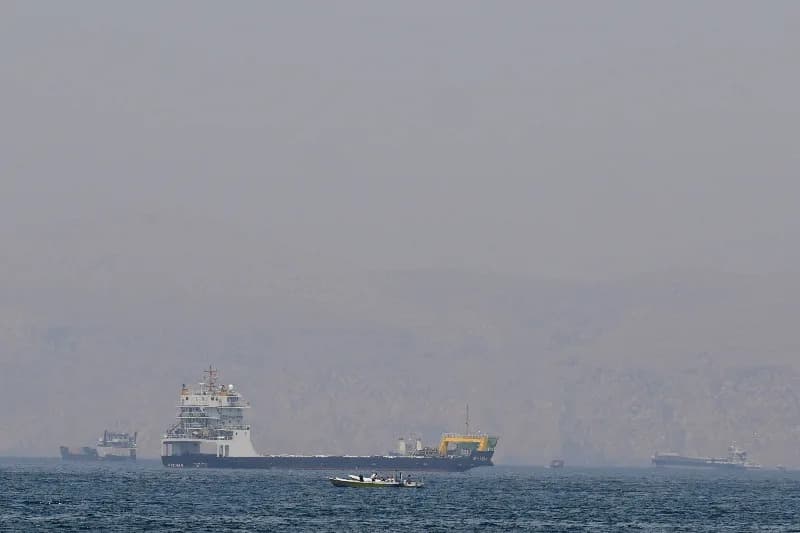
Cargo ships and tankers ply the Strait of Hormuz (Giuseppe CACACE)(Giuseppe CACACE/AFP/AFP)
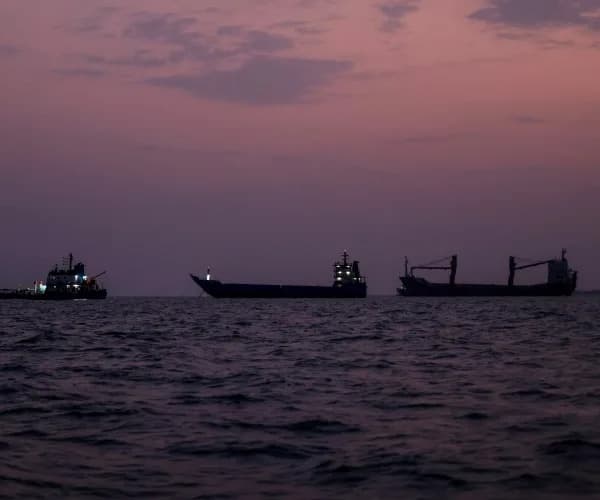
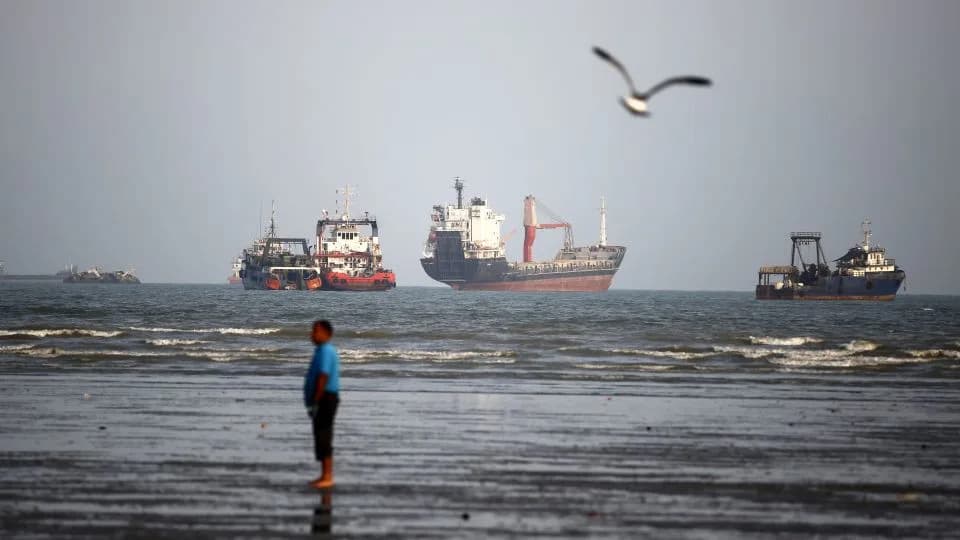
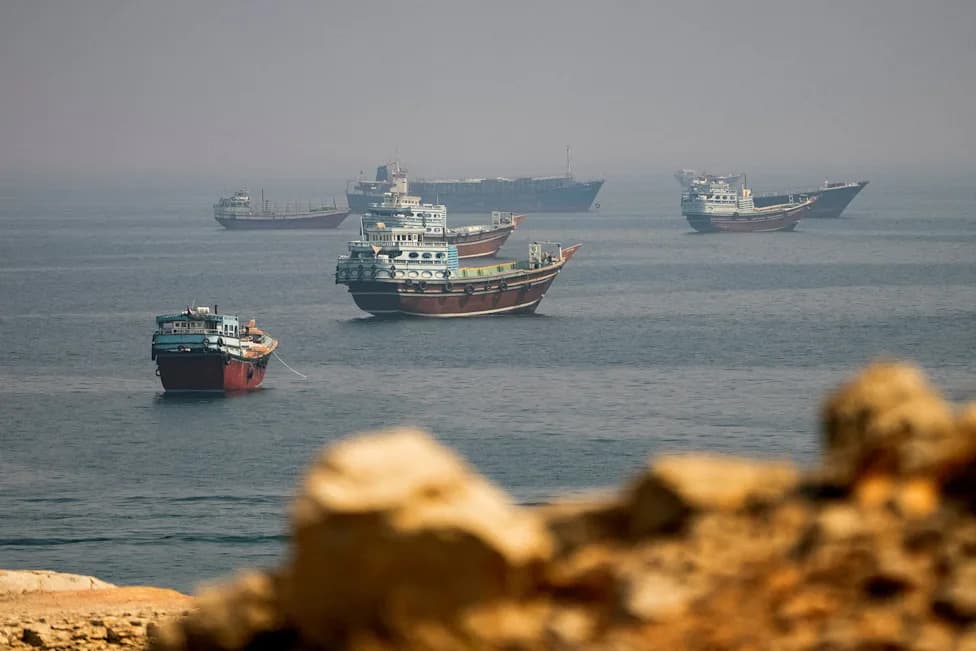
About 10 vessels in or near the Strait of Hormuz have been attacked since Iran effectively sealed the strategic waterway in response to US‑Israeli strikes, data analysis groups and maritime agencies report. The incidents across the week after the outbreak of war on February 28 have all but stopped traffic through the strait, a vital corridor for global oil and liquefied natural gas (LNG) shipments.
Timeline and Casualties
The International Maritime Organization (IMO) listed nine attacks on its website over a single week, including four incidents that together reportedly killed seven people. The IMO said one person was killed in each of three attacks on March 2 affecting the Skylight, MKD Vyom and Stena Imperative; the Hercules Star was also struck that day. Between March 3 and March 5, the Libra Trader, Gold Oak, Safeen Prestige and Sonangol Namibe were reported hit. On March 6 the Mussafah 2 was struck; the IMO reported four deaths in that strike.
Indonesia later said a vessel matching the Mussafah 2's characteristics and last known position had sunk two days earlier, while providing a different casualty breakdown: three Indonesian crew were declared missing, one Indonesian survivor was injured, and four survivors were of other nationalities. Reported casualty figures have varied as independent verification is often delayed.
Shipping Impact
The Strait of Hormuz normally handles roughly 20% of global crude oil and LNG shipments. Analysis firm Kpler — which operates the MarineTraffic platform — said tanker traffic through the strait fell by about 90% within a week. MarineTraffic data analysed by AFP showed only nine commercial vessels (tankers, cargo and container ships) were detected crossing the strait since Monday, with some ships intermittently masking or switching off their positions.
Rescuers and Follow‑On Strikes
Maritime security firm Vanguard reported the Mussafah 2 was hit by two missiles while attempting to assist the container ship Safeen Prestige, which had been struck earlier. The Joint Maritime Information Centre (JMIC), run by a Western naval coalition, warned that vessels providing assistance or salvage may face an elevated risk of follow‑on strikes and described a pattern of attacks on anchored and drifting vessels as well as on assistance vessels.
Claims and Verification
Iran’s Revolutionary Guards have claimed responsibility for some drone and missile strikes, but such claims are not always independently verified. Some incidents are confirmed only after several days, vessel identities can remain unclear, and casualty totals have varied between sources.
Official Reactions and Regional Uncertainty
Iran exports oil through the strait, and its public statements have been mixed. A Revolutionary Guards general warned on March 2 that Iran would "burn any ship" trying to cross the strait and would block Gulf oil exports; yet Iran’s foreign minister, Abbas Araghchi, later said Tehran had "no intention" of closing the waterway. U.S. Energy Secretary Chris Wright said the United States would escort merchant ships attempting to transit the strait "as soon as it's reasonable to do it," while French President Emmanuel Macron said he was seeking to build a coalition to secure the sea lanes essential to the global economy.
What To Watch
Key developments to follow include independent verification of strike claims, confirmation of vessel identities and casualty numbers, whether international navies mount coordinated escort operations, and any further disruption to oil and LNG flows that could affect global energy markets.
Help us improve.