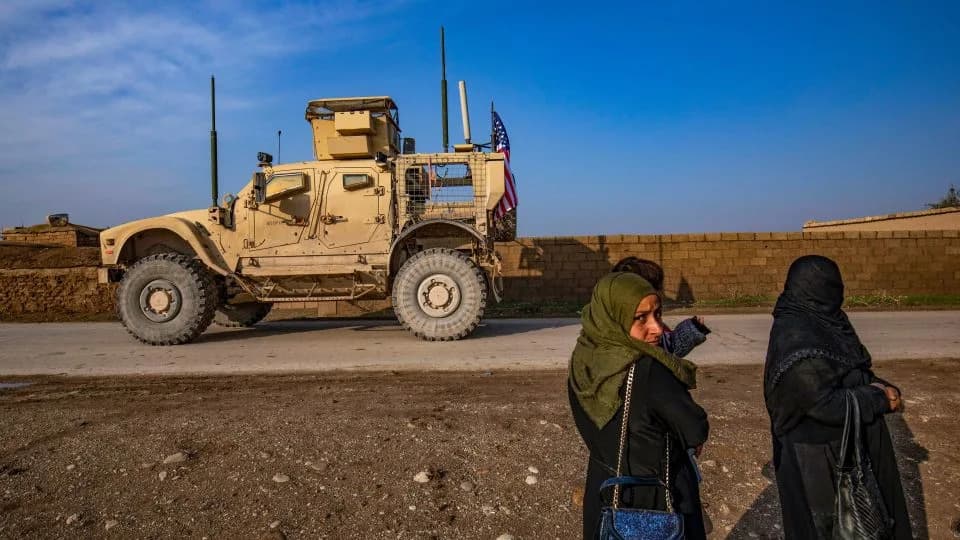
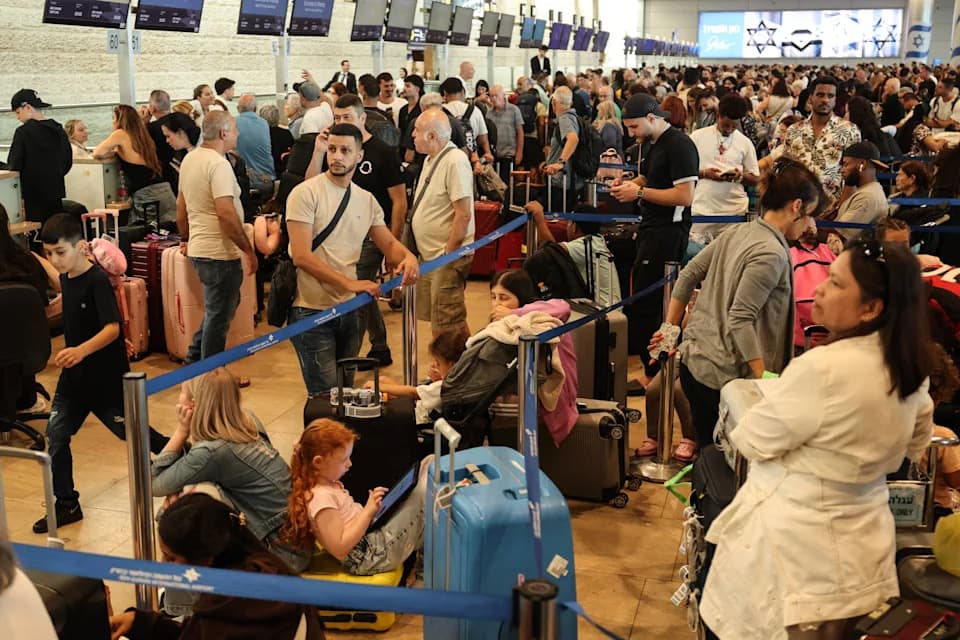
The U.S. has carried out its largest diplomatic drawdown in the Middle East since 2003 after strikes related to Iran, closing embassies, ordering staff departures and disrupting consular services. Over 9,000 Americans have returned home since the weekend, while the State Department says it is arranging military and charter flights and coordinating land routes where air travel is unavailable. Drone strikes near U.S. embassies and reduced staffing have raised concerns about the government's crisis-response capacity and the safety of Americans abroad.
Iran Strikes Trigger Largest U.S. Diplomatic Drawdown Since 2003, Leaving Americans in Limbo
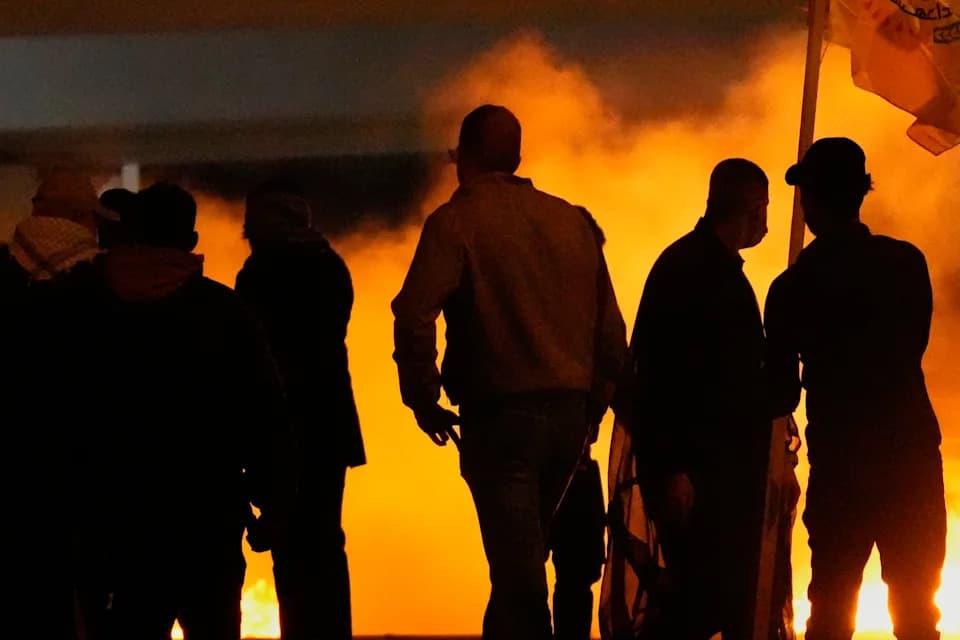
Security forces fire tear gas to disperse a protest against U.S. and Israeli attacks on Iran, at a bridge leading to the fortified Green Zone where the U.S. Embassy is located in Baghdad, Sunday, March 1, 2026. (AP Photo/Hadi Mizban)(ASSOCIATED PRESS)
WASHINGTON — The United States has enacted its largest diplomatic drawdown in the Middle East since the 2003 Iraq war after strikes involving Iran, producing widespread disruptions to consular services and leaving many Americans scrambling to leave the region.
The State Department has closed multiple embassies to the public, shuttered at least one consulate, ordered nonessential staff and families to depart from several posts, and advised U.S. citizens in roughly 14 countries to consider leaving immediately — even as air travel is disrupted by closed airports and mass flight cancellations.
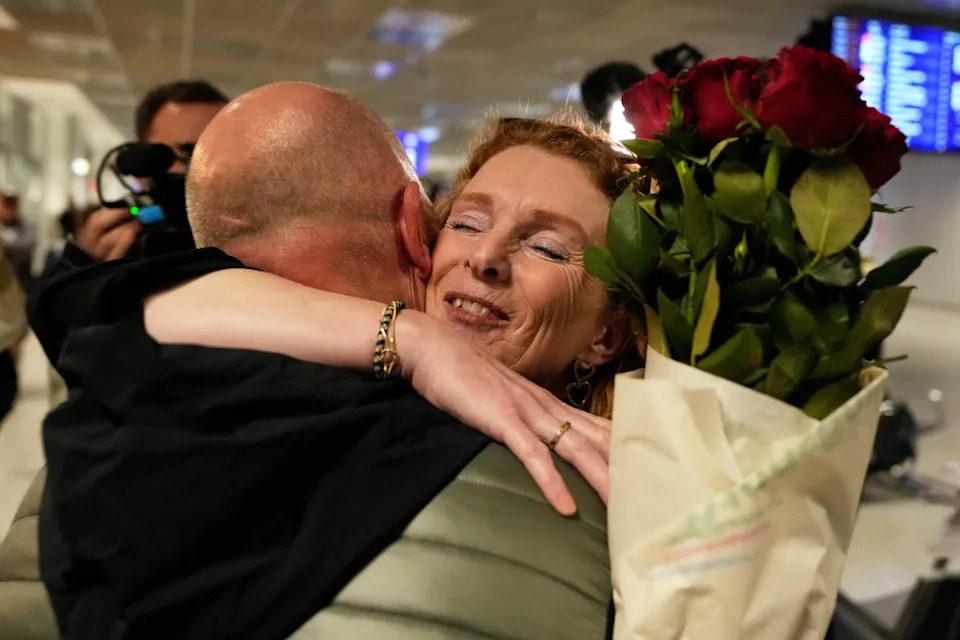
People arrive at the International Airport in Frankfurt, Germany, after being evacuated from Dubai on a commercial flight, Tuesday, March 3, 2026. (AP Photo/Michael Probst)(ASSOCIATED PRESS)
Evacuations and Travel Support: The department said more than 9,000 Americans had returned safely from the Middle East since the weekend, many arranging travel privately. Officials also reported outreach to nearly 3,000 Americans seeking help or information. Charter flights and military airlifts are being arranged from hubs including Jordan, Saudi Arabia and the United Arab Emirates, and land transfers are being coordinated from countries with closed airports to neighboring states with operating flights, such as Egypt and Oman.
Strained Consular Capacity: Emergency staffing reductions and temporary post closures following the strikes have severely limited routine consular assistance. In many countries, U.S. citizens cannot access normal services, complicating everything from emergency passport replacement to assistance for vulnerable travelers. Several embassies in the region — including those in Jordan, Kuwait, Lebanon and Saudi Arabia — were closed to the public, and at least one consulate (Karachi, Pakistan) suspended operations entirely.
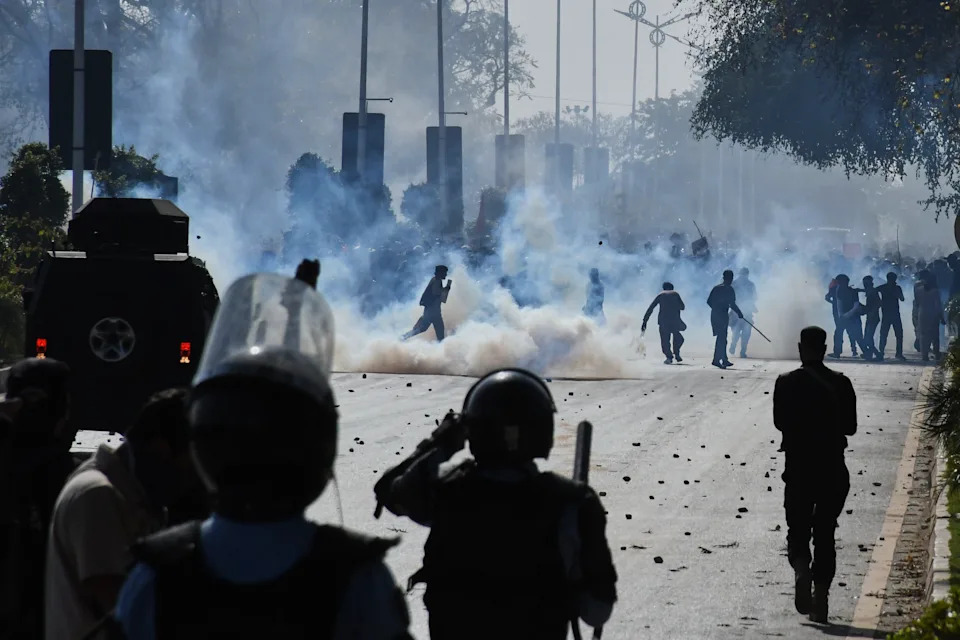
Police officers fire tear gas shells to disperse Shiite Muslims marching toward U.S. Embassy during a rally to condemn the killing of Iranian Supreme Leader Ayatollah Ali Khamenei, in Islamabad, Pakistan, Sunday, March 1, 2026. (AP Photo/M.A. Sheikh)(ASSOCIATED PRESS)
Security Incidents: The region also saw attacks on diplomatic facilities. Saudi authorities reported a drone strike at the U.S. Embassy in Riyadh that caused a limited fire and some structural damage, though no staff injuries were reported. Two drones were reported near the U.S. embassy in Kuwait City without confirmed casualties.
Diplomatic and Regional Impact: The personnel drawdown has curtailed critical diplomatic engagement with allied and partner governments across Bahrain, Jordan, Kuwait, Lebanon, Pakistan, Qatar and Saudi Arabia. Observers note the scale of the withdrawal rivals — and may exceed — the reductions made around the 2003 Iraq invasion.
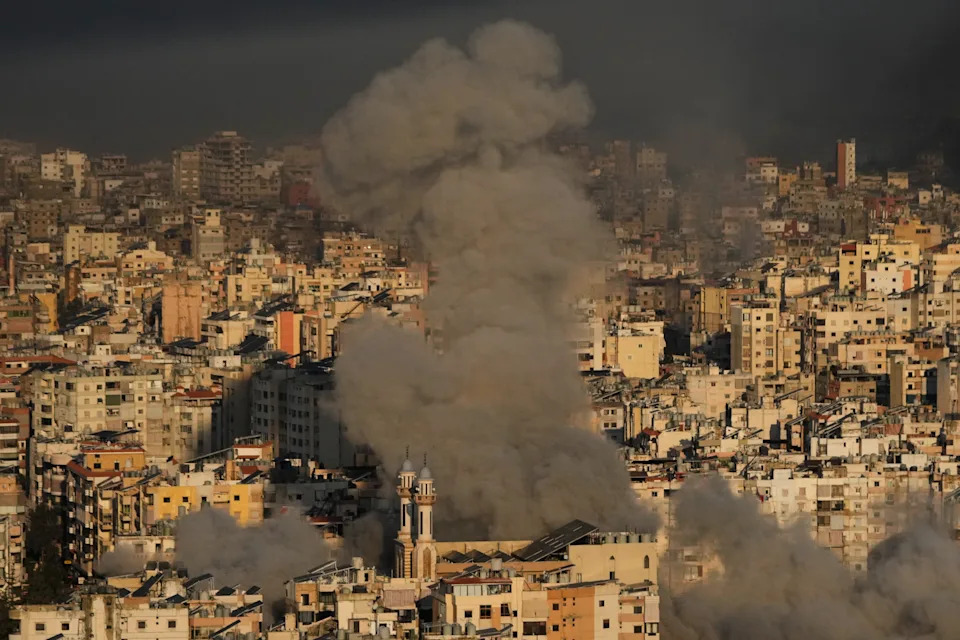
Smoke rises from Israeli airstrikes in Dahiyeh, a southern suburb of Beirut, Lebanon, Tuesday, March 3, 2026. (AP Photo/Hussein Malla)(ASSOCIATED PRESS)
Questions About Crisis Readiness: The disruption has raised questions about U.S. crisis-response capacity. Shawn VanDiver, president of AfghanEvac, highlighted the need for sustained, exercised crisis architecture, pointing to the mass evacuation operations during the 2021 Afghanistan withdrawal as an example of large-scale mobilization.
Legal Limits and Travel Advisories: The U.S. government cannot force citizens to leave a foreign country; in very limited cases it can restrict the use of U.S. passports for travel to specific destinations — a measure currently applied only to North Korea. Some commentators have suggested extending similar restrictions to Iran. Travel advisories and departure recommendations, however, are often not followed by residents who have family ties or other reasons to stay.
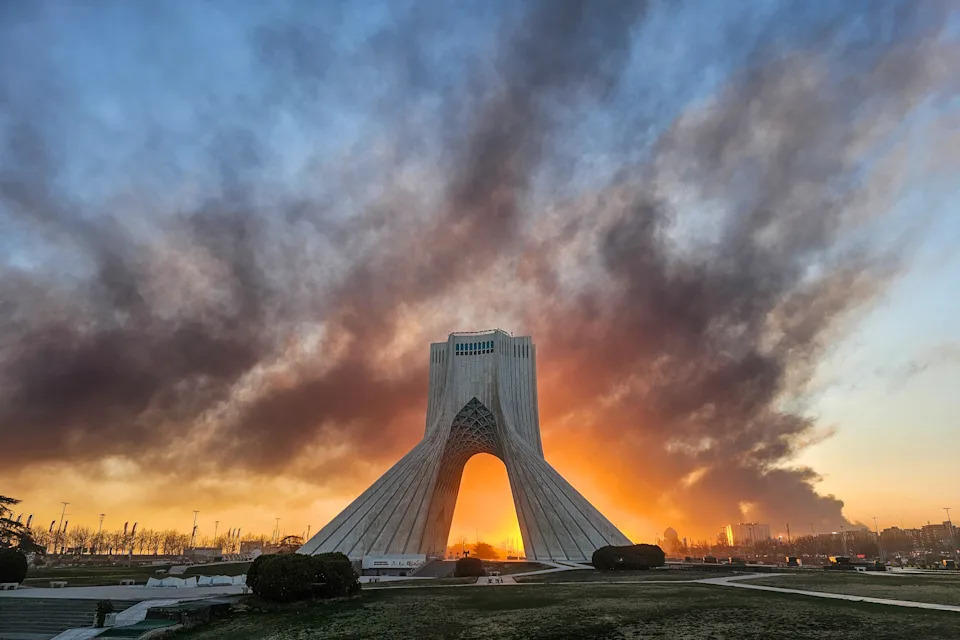
Smoke rises up behind Azadi, or freedom tower, following a U.S.-Israeli military strike in Tehran, Iran, Tuesday, March 3, 2026. ((Davoud Ghahrdar/ISNA via AP)(ASSOCIATED PRESS)
Because Americans abroad are not required to register with the State Department, officials decline to provide a precise count of U.S. citizens in the region. Still, tens of thousands — including many dual nationals — are believed to live in or travel frequently to countries such as Israel, Lebanon, Egypt and Iran.
The State Department did not immediately provide detailed public answers on contingency planning for embassy staffing or long-term support for U.S. citizens should the conflict expand.
Help us improve.