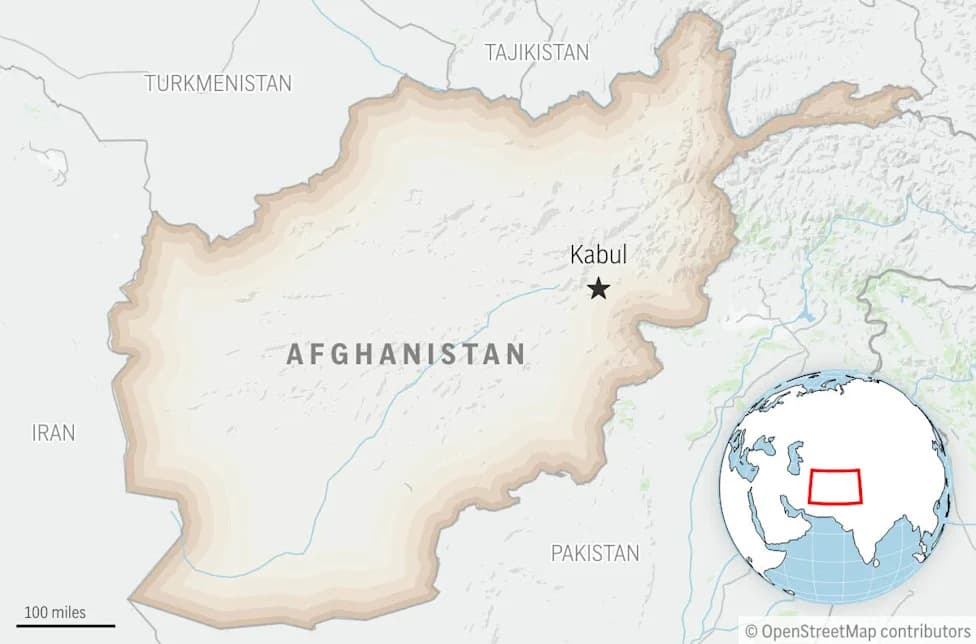
Heavy fighting along the Afghanistan‑Pakistan border has displaced roughly 8,400 Afghan families and prompted air strikes on strategic sites including Bagram, Kabul and Kandahar. Both sides report sizable military losses, but casualty figures are contested and hard to verify. At least 39 civilians have reportedly been killed, including children, prompting alarm from the UN children's charity. Diplomatic appeals for talks continue amid growing humanitarian concerns.
8,400 Afghan Families Displaced As Heavy Fighting and Air Strikes Hit Bagram, Kabul and Kandahar
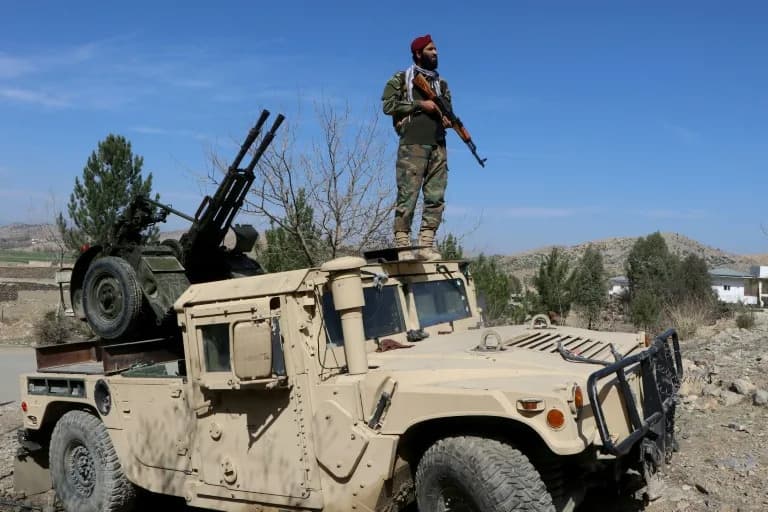
A Taliban security personnel stands guard near an anti-aircraft gun in Khost province bordering Pakistan (-)(-/AFP/AFP)
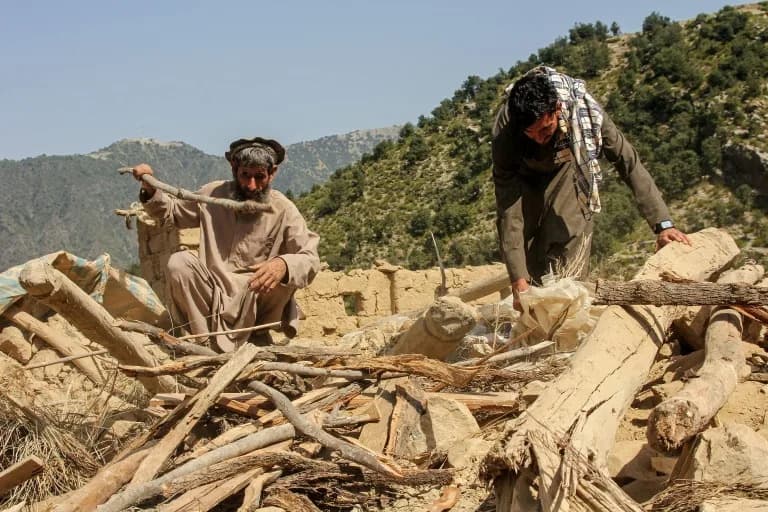
More than 8,400 Afghan families have been forced from their homes after days of intense fighting along the Afghanistan‑Pakistan border, the Taliban government said Tuesday. The clashes began after Afghanistan launched a border offensive in response to Pakistani air strikes, and both sides have since exchanged strikes and ground attacks.
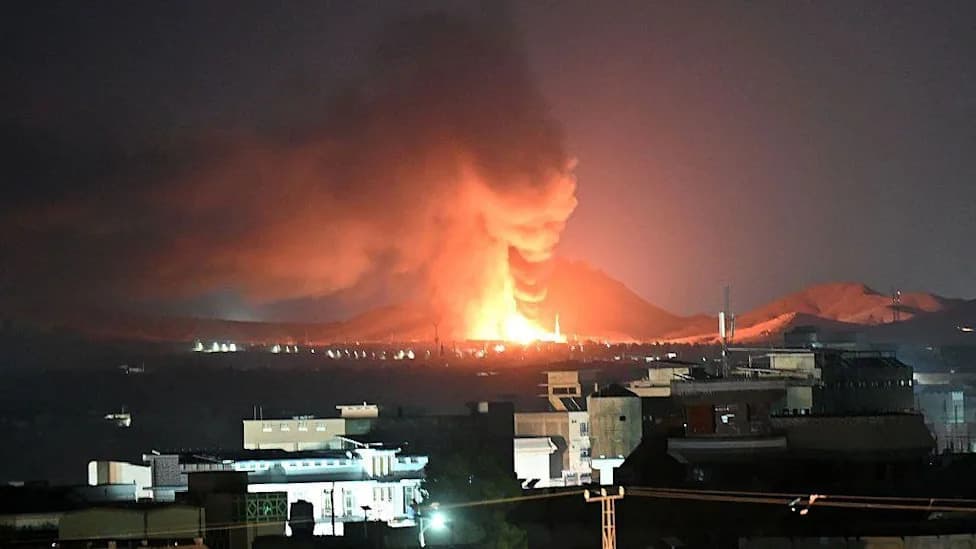
Pakistan has carried out strikes along the frontier and renewed air operations that Afghan officials say hit multiple sites, including the former US air base at Bagram, the capital Kabul and the southern city of Kandahar. Afghanistan's deputy government spokesman, Hamdullah Fitrat, told a news conference:
"Due to these brutal bombings and attacks, 8,400 of our families have been displaced, forced to leave their villages and homes."
An AFP reporter near the border spoke with residents who fled the fighting. Afghanistan's defence ministry reported "extensive and heavy offensive and revenge attacks" across seven provinces in the previous 24 hours and for the first time acknowledged earlier air strikes on Bagram. Defence ministry spokesman Enayatullah Khowarazmi said:
"Yes, the enemy targeted Bagram as well, but there were no casualties or damage."Two local residents told AFP they heard air strikes in Bagram north of Kabul.
Pakistani security sources told AFP their strikes on Bagram were based on what they described as "credible intelligence" aimed at disrupting supplies to militants and Afghan forces operating against Pakistan. Those sources added that Pakistan reserves the right to respond to what it called the Taliban government's "aggression along its border by striking legitimate targets at the time and place of its own choice." Another security source said Pakistani jets also conducted nighttime sorties over Kabul.
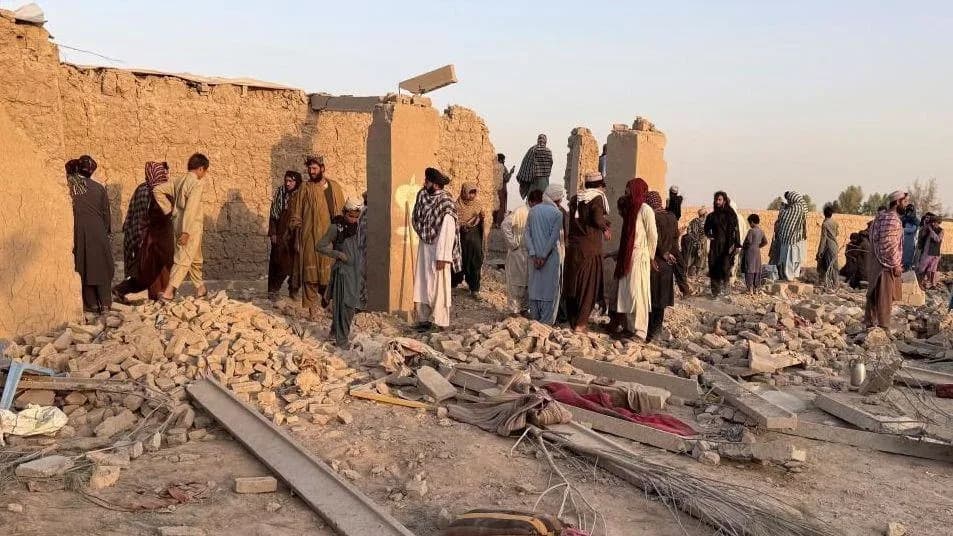
The Afghan government reported that at least 39 civilians have been killed since the clashes began on Thursday; Pakistan has not publicly confirmed that toll. Fitrat said three children were among the most recent victims, describing the deaths in Kunar province as a "crime committed by the Pakistani military regime." The UN children's charity said it was "alarmed" by reports of child casualties and urged all parties to exercise maximum restraint and protect civilians.
Both sides have provided differing military casualty figures that are difficult to verify independently. Afghanistan's defence ministry said more than 25 Afghan soldiers have been killed and estimated Pakistani troop fatalities at around 150. Pakistan, however, claims more than 430 Afghan soldiers have been killed and over 630 wounded.
This outbreak of violence is the most serious since fighting in October that left more than 70 people dead on both sides. Land border crossings have largely remained closed since that earlier round of clashes. International observers and humanitarian agencies warn of growing displacement and the risk of a deeper humanitarian crisis if hostilities continue.
Diplomatic Signals and Humanitarian Concerns
Pakistan's Foreign Minister Ishaq Dar said on Tuesday that "it is never too late to talk," but added a stern warning: "We will finish this menace." Diplomatic channels and calls for restraint are ongoing, while aid groups urge safe access for civilians and protection of non-combatants amid rising humanitarian needs.
Help us improve.