Operation Epic Fury has struck Iranian military and leadership targets. Officials say a brief, limited campaign is feasible, but a prolonged conflict could rapidly deplete missile-defense interceptors already strained by commitments to Ukraine and Israel. Analysts warn interceptor shortages — not offensive munitions — are the key constraint, and that broader retaliation, regional escalation and oil-market disruptions through the Strait of Hormuz would pose major strategic risks.
Operation Epic Fury: Why A Prolonged Conflict With Iran Could Drain U.S. Interceptor Stocks
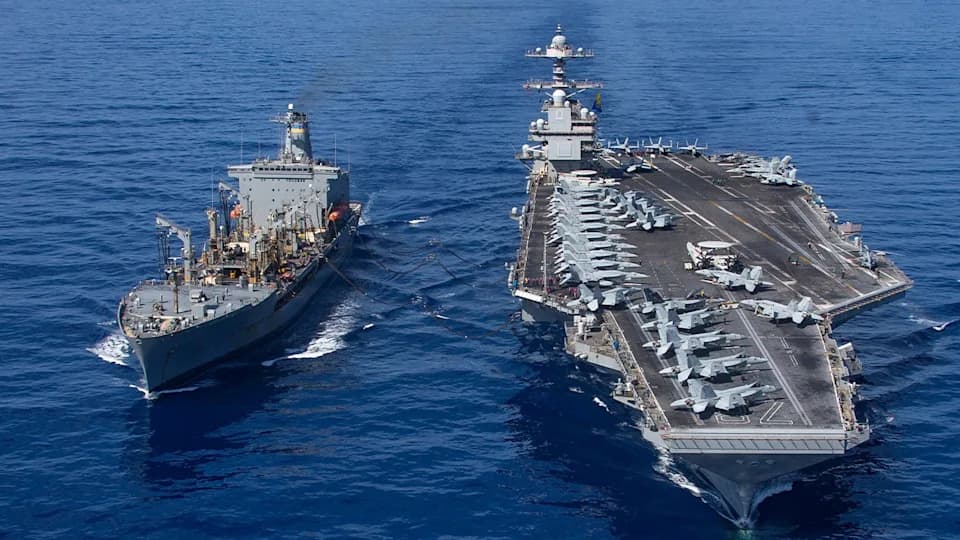
Carrier strike group under USS Gerald R. Ford is in the Middle East.(Reuters)
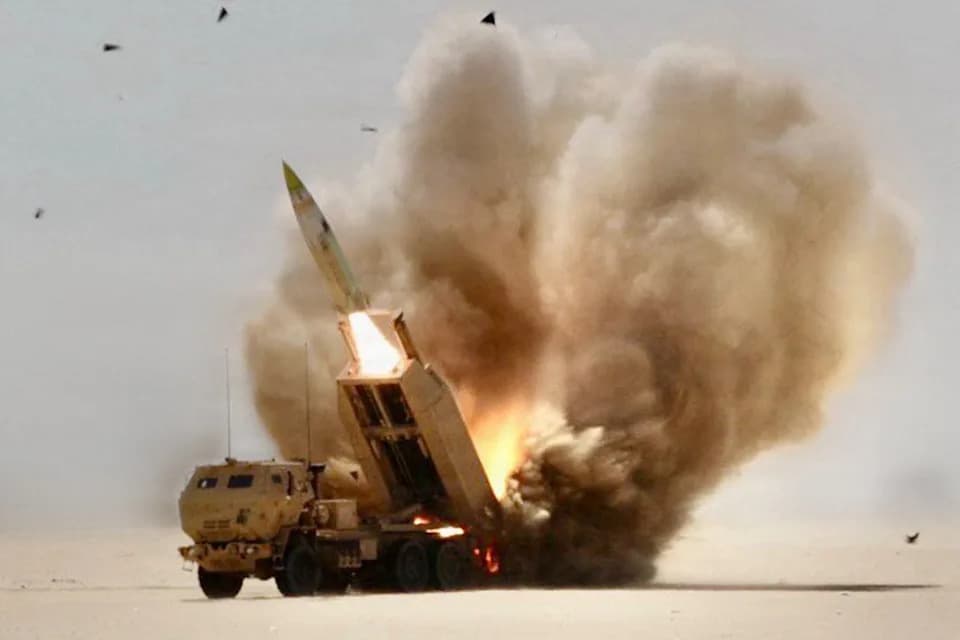
U.S. and Israeli forces launched Operation Epic Fury, striking Iranian leadership and military targets. Officials say a short, limited campaign lasting a few days is feasible, but a sustained exchange involving potentially hundreds of incoming missiles would pose far greater logistical and strategic challenges.
Missile-Defense Inventories Under Strain
Defense officials and analysts warn that key U.S. missile- and air-defense interceptors have already been heavily drawn down by recent operations. The same defensive systems used to protect U.S. bases and partners in the Middle East — including THAAD, Patriot PAC-3 MSE and ship-based SM-series interceptors — are also being allocated to the defense of Ukraine and the protection of Israel. That creates a "zero-sum" competition for limited inventories.
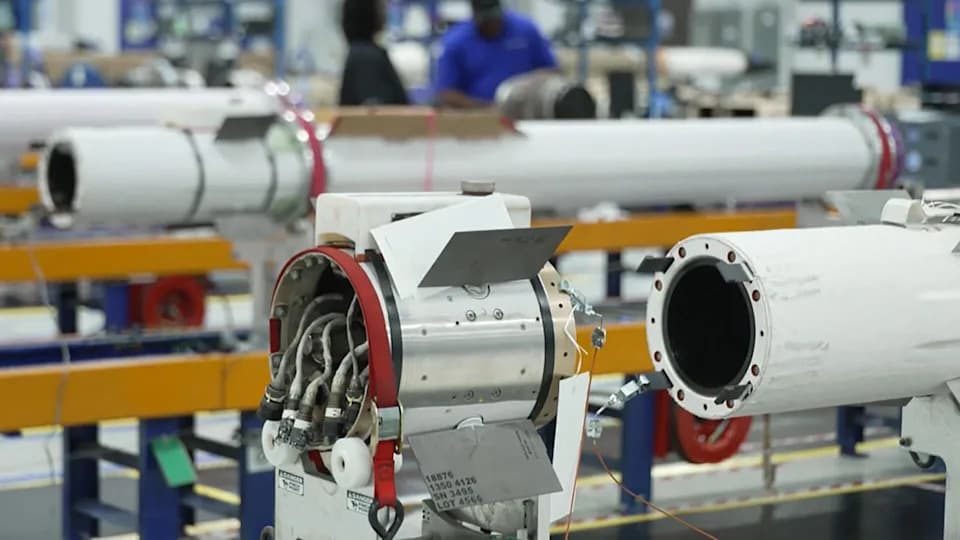
During the intense June 2025 Iran–Israel exchanges, U.S. forces expended more than 150 THAAD interceptors — roughly a quarter of the global THAAD stock — along with a substantial number of ship-launched Standard missiles to defend allied forces, according to defense assessments. Officials say replenishing high-end interceptors can take more than a year because production lines are set for peacetime output and cannot be rapidly scaled overnight.
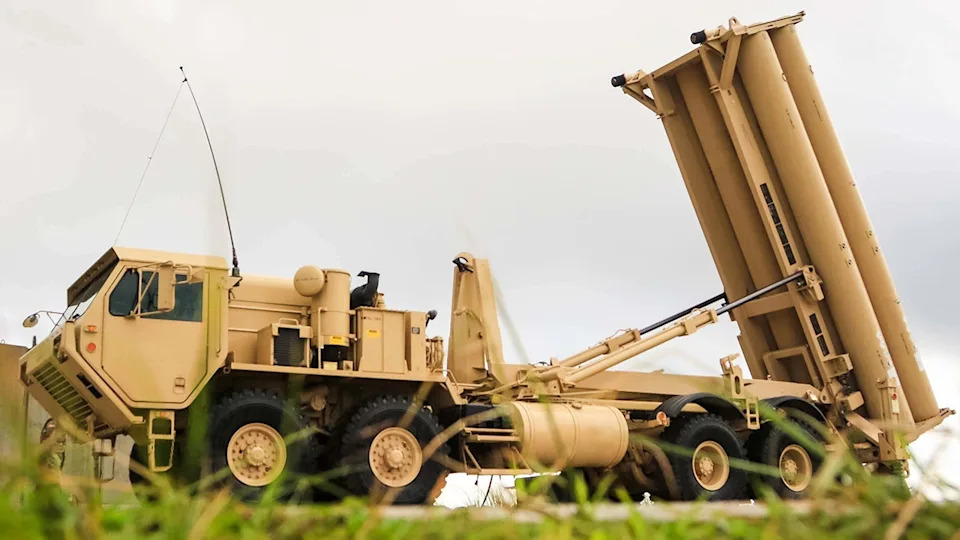
A U.S. Army Terminal High Altitude Area Defense weapon system is seen on Andersen Air Force Base in Guam in October 2017.
Production Capacity And The Pace Of Replenishment
Independent industry estimates place current U.S. production of Patriot PAC-3 MSE missiles at roughly 600–650 units per year, reflecting recent contracts to expand capacity. Analysts caution that in a high-intensity conflict with a near-peer adversary, where multiple interceptors are often required to defeat a single incoming threat, even a full year of production could be consumed within weeks — especially after prior drawdowns supporting Ukraine and operations in the Middle East.
“From a conventional munition standpoint, we can always fly in more weapons from around the world,” said retired Air Force Gen. Charles Wald, former deputy commander of U.S. European Command. He added, however, that the greater constraint lies on the defensive side: “You can never have enough defense.”
Operational Implications
Regional analysts emphasize that in a prolonged missile exchange, interceptor inventories — not offensive strike munitions — are the likely binding constraint on sustained operations. Israeli defense analyst Ehud Eilam noted there is a practical limit to the number of THAAD interceptors that can be used and stressed these systems cannot be reproduced overnight.
Estimates suggest Iran maintains a sizable missile and drone arsenal — commonly cited figures range from 1,500 to 2,000 ballistic missiles, alongside large numbers of shorter-range rockets and unmanned aerial systems capable of striking U.S. bases and Gulf energy infrastructure.
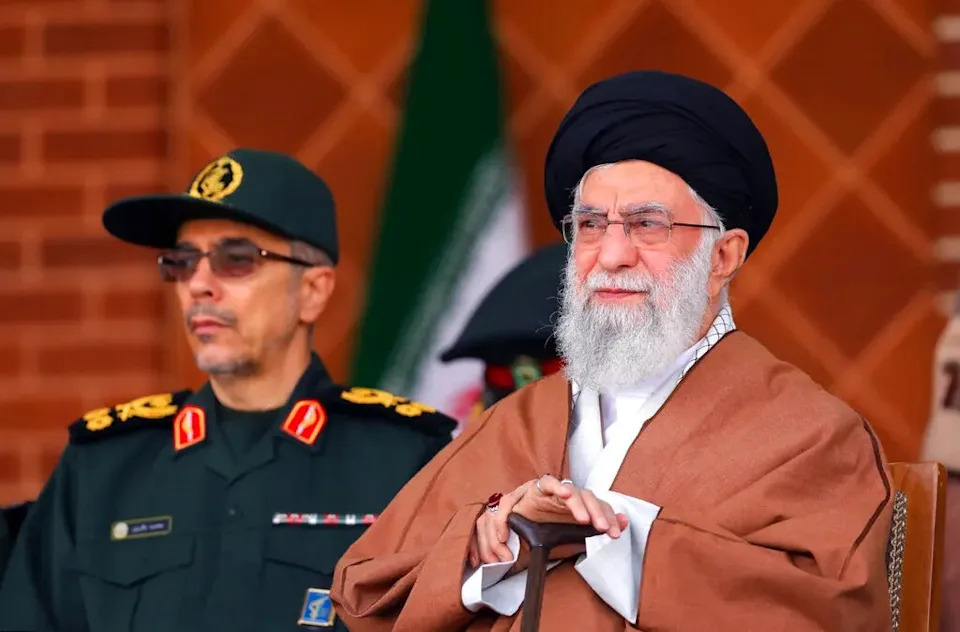
Iran's supreme leader, Ayatollah Ali Khamenei, pictured sitting next to senior military official in Iran.
Escalation Risks And Political Limits
Officials caution that strikes could prompt broader retaliation from Iran and allied militias in Iraq, Lebanon and Yemen. The 2025 confrontations showed how quickly escalation can test both defensive systems and political will. As one former official warned: "Once these things break, you own what follows."
Wald added a word of caution about the limits of air power: “Bombing Iran is not going to do regime change.” Military action can degrade capabilities, but it cannot by itself ensure a stable political outcome — and it risks creating a spiral of retaliation, proxy attacks and wider regional instability.
Wider Strategic And Economic Consequences
Beyond immediate military costs, a sustained regional conflict could have major economic effects. Roughly one-fifth of global oil supplies transit the Strait of Hormuz; even limited disruptions there could push energy prices sharply higher. Strategically, a prolonged Middle East contingency would also draw on naval assets and air-defense systems that planners may need for other high-priority contingencies, including potential competitions involving China, Taiwan or North Korea.
What Officials Are Watching
U.S. planners are monitoring interceptor stocks, production ramp-up timelines and the political appetite for escalation. Officials involved in internal deliberations say President Donald Trump has sought a high degree of confidence about how an Iran contingency would unfold — a standard that becomes harder to meet in scenarios with rapid escalation and significant political fallout. The White House has been contacted for comment.
Bottom line: A short, targeted campaign against Iran is likely achievable. Sustaining a larger campaign against a heavily armed state with deep regional networks, however, would quickly expose limits in interceptor inventories and carry substantial military, political and economic risks.
Help us improve.