More than 560 people have gone missing in the Mediterranean so far this year, with at least 500 lost on routes from Libya, Tunisia and Algeria. UN reports describe a profit-driven system of trafficking, detention and abuse in Libya. Despite tougher Italian and EU measures to block or redirect boats, arrivals remain high as people continue to risk deadly crossings in search of safety and a future.
Deadly Journeys Across the Mediterranean: Over 560 Missing as Migrants Risk Everything
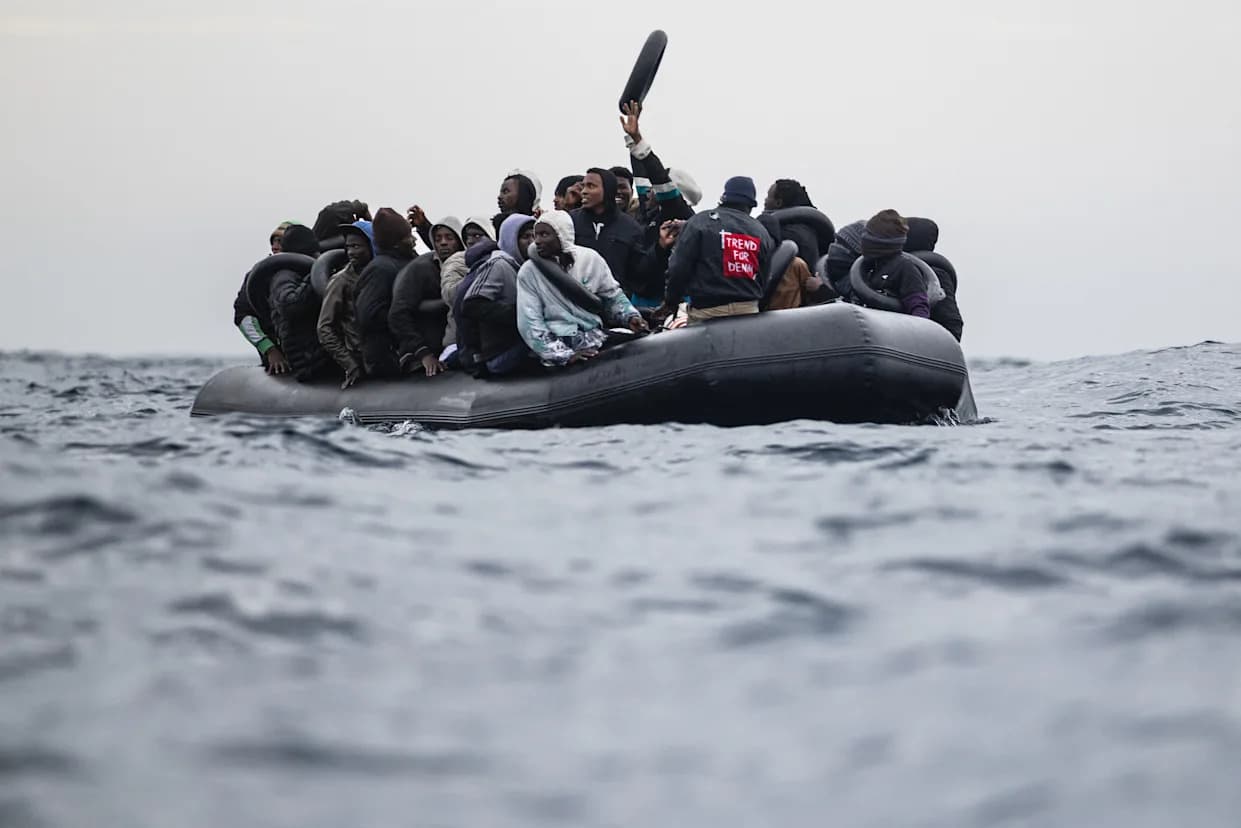
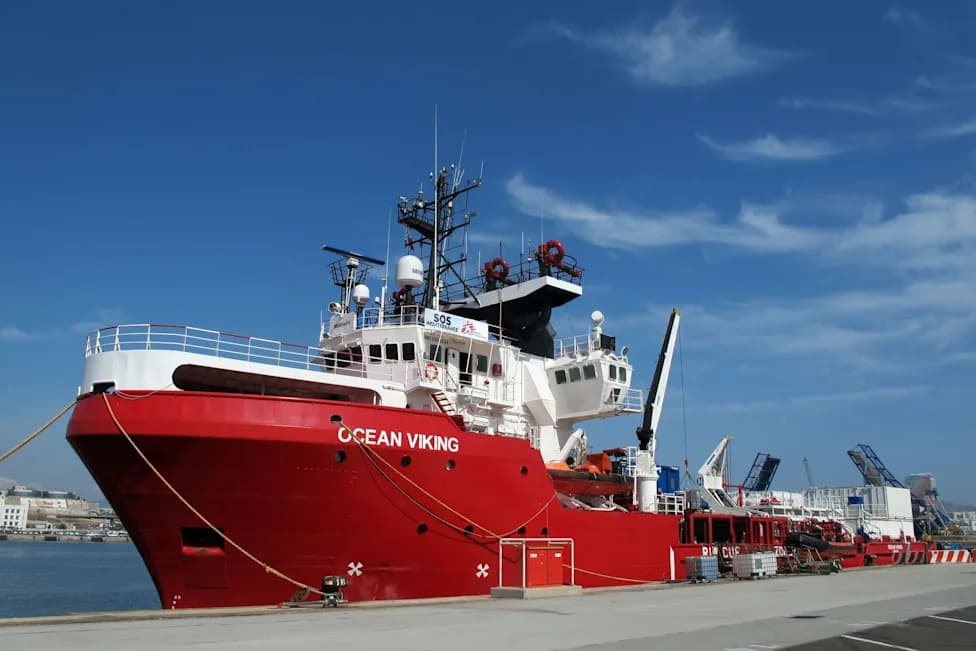
Migrants onboard a rubber boat wave and gesture as they wait to be rescued by crew members of the Ocean Viking rescue ship in the search-and-rescue zone in the Mediterranean Sea near the Libyan coast, on January 16, 2026 [AFP]
More than 560 people have gone missing in the Mediterranean in the opening weeks of the year, with at least 500 lost on routes from Libya, Tunisia and Algeria. The mounting death toll underscores the deadly combination of dangerous sea crossings, organised smuggling networks and violent exploitation on land.
Human Cost At Sea
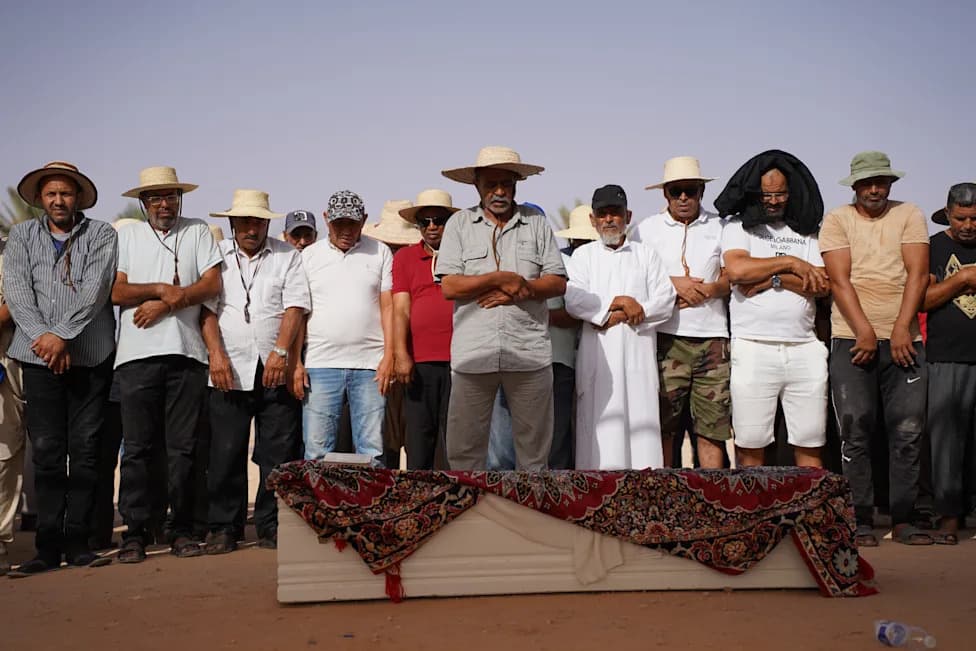
In early February, a vessel capsized off the Libyan coastal town of Zuwara: 53 people, including two infants, were reported dead or missing; only two Nigerian women survived. A few weeks earlier, a rare cyclone swept the Mediterranean and is believed to have killed hundreds — possibly up to a thousand — migrants attempting the crossing.
Life And Abuse In Libya
The United Nations’ International Organization for Migration (IOM) reported that at least 928,000 migrants were recorded in Libya between August and October 2025. Many wait for funds or an opportunity to cross while living under the shadow of militias and traffickers.
A UN Human Rights Office report described a grim environment in which traffickers and armed groups carry out systematic, profit-driven abuses with near impunity. The report called these "grave violations and abuses" a ruthless business model built on detention, forced labour, extortion and violence.
Voices From The Ground
"Conditions were very bad. There was a lot of suffering...sometimes we had to drink the water they gave us to wash in. It was very bad; it had salt in it," said Ola, 25, from Sierra Leone, who was held, beaten and forced to work by a militia in Zuwara until his family paid a $700 ransom.
"I know the crossing is dangerous...But where will I go?" said Mubarak, 31, from Sudan, who fled fighting in Darfur and was also detained and abused in Libya.
European Responses And Their Limits
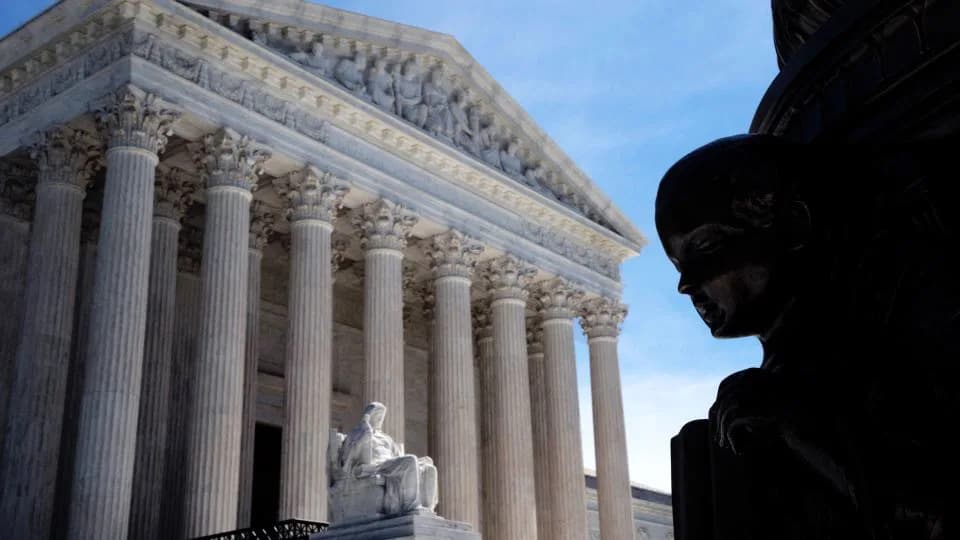
Countries most exposed to departures from Tunisia and Libya — especially Italy — have tightened border rules. A recent Italian law allows indefinite bans on boats entering its waters in cases of alleged threats to public order or national security and permits transfers of intercepted people to third countries under existing arrangements. The European Parliament has approved changes enabling transfers of asylum seekers to so-called "safe third countries." Critics warn these measures risk bypassing individual vulnerability and protection assessments.
Why People Keep Coming
Despite these deterrents, arrivals remain high: more than 63,000 people crossed to Italy in 2025, nearly matching the previous year. Experts point to lack of prospects, social exclusion and violence at home as powerful drivers. For many, the possibility of a future — even when weighed against mortal risk — is enough to attempt the crossing.
What This Means: The crisis combines acute humanitarian emergencies at sea, systemic abuses on land and contested political responses in Europe. Without safer, legal pathways and stronger protection safeguards, people will continue to gamble their lives for the chance of safety and opportunity.
Help us improve.