Four bull shark attacks in 48 hours forced the closure of about 40 New South Wales beaches after heavy rain made waters murky and drew sharks toward shore. A 12-year-old boy later died and other victims range from a critically injured 25-year-old to surfers with minor injuries. Lifesavers, drones and a rescue helicopter are monitoring the coastline while authorities warn closures will remain until water clarity returns and urge people to avoid the surf ahead of hot Australia Day weather.
Four Shark Attacks Close Dozens of NSW Beaches After Heavy Rain — 12-Year-Old Killed
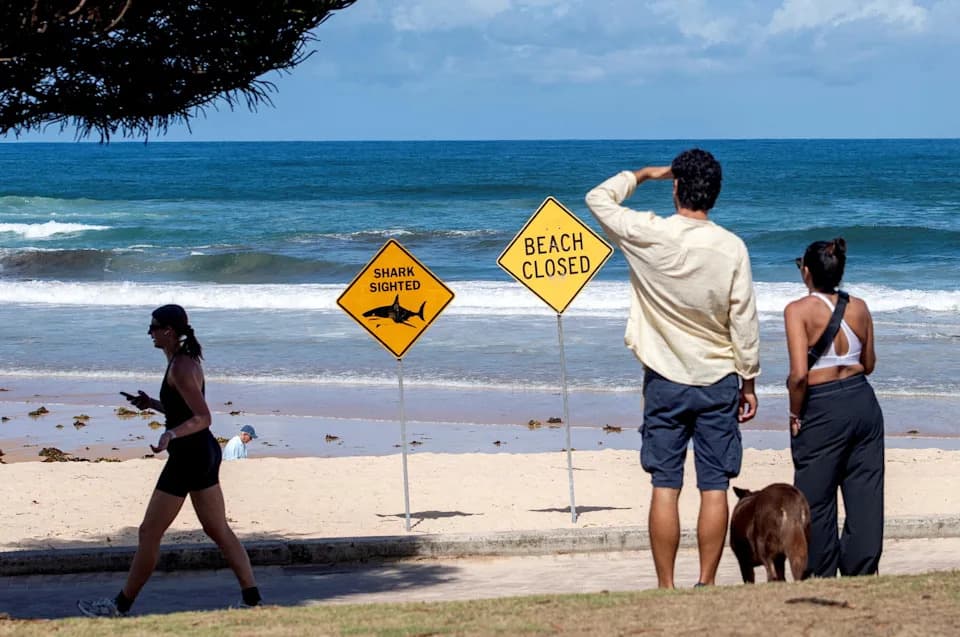
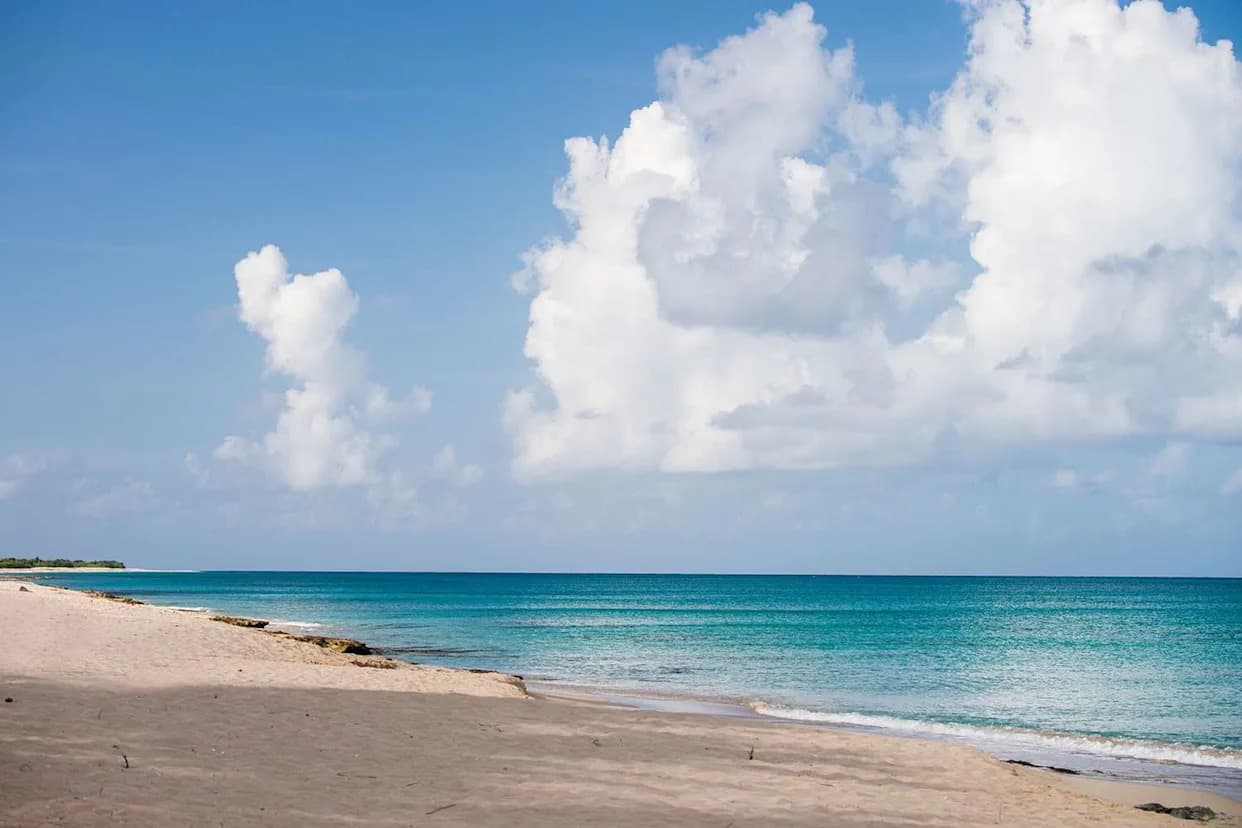
Dee Why Beach in Sydney is among about 40 beaches closed on Australia's eastern coast after spate of shark attacks. - JEeremy Piper/Reuters
About 40 beaches along New South Wales (NSW) have been closed after four shark attacks in 48 hours, authorities said, following heavy rain that made coastal waters murky and attracted bull sharks closer to shore.
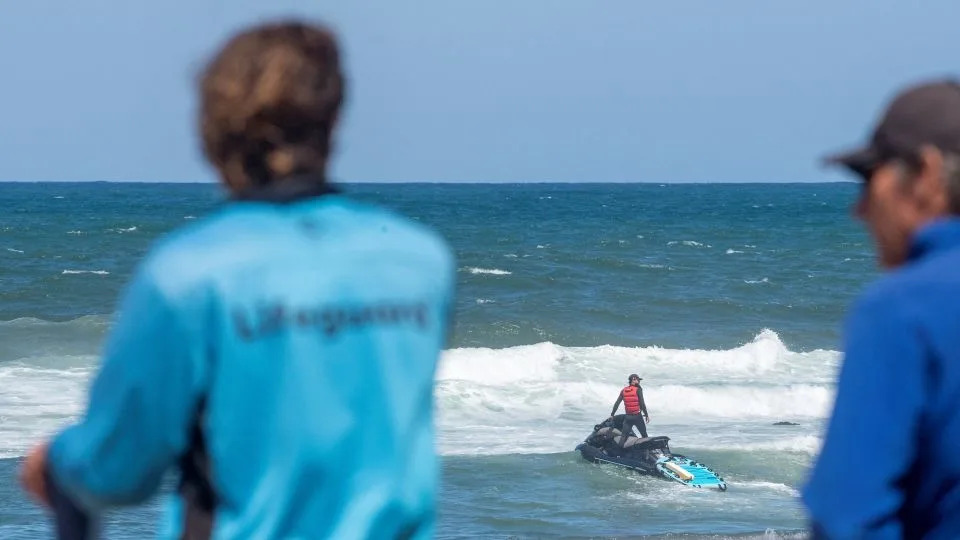
Lifeguards attempt to locate a shark that attacked a surfer today at Dee Why Beach in Sydney, Australia, on January 19, 2026. - Jeremy Piper/Reuters
What Happened
Over a two-day period last weekend and the following Monday, four separate incidents involving bull sharks were reported along the NSW coast. The first — at Vaucluse in Sydney Harbour — involved a 12-year-old boy who was jumping from rocks with friends; police later confirmed he died in hospital. A 25-year-old surfer was critically injured at North Steyne Beach in Manly, while an 11-year-old’s surfboard suffered a 15-centimetre bite at Dee Why Point. Another surfer at Point Plomer on the Mid North Coast sustained minor injuries and was discharged from hospital.
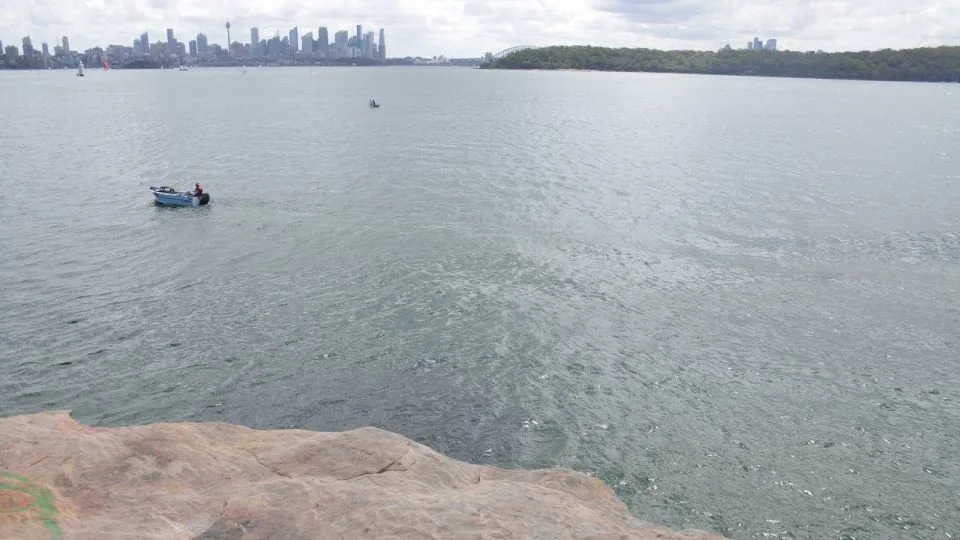
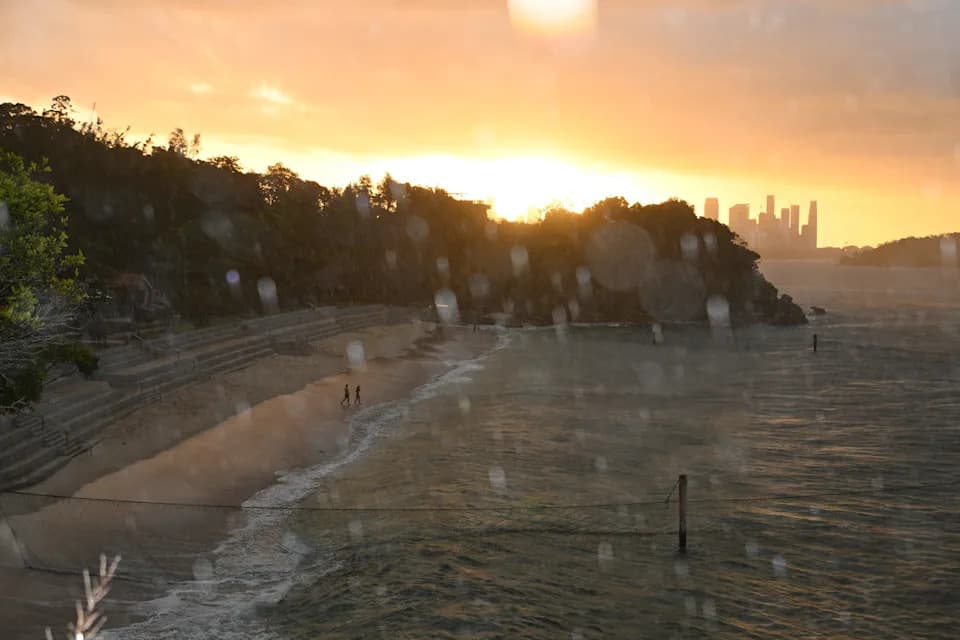
The rock ledge where a 12-year-old boy and his friends were jumping into the water before he was attacked by a shark on Sunday. - Angus Watson/CNN
Why Bull Sharks Moved Closer
Bull sharks are a robust species capable of living in both fresh and salt water. After intense rainfall, estuaries and rivers wash organic material and prey into the ocean. Bull sharks often follow this food source into brackish, murky waters near river mouths, where poor visibility increases the likelihood of bite-based encounters.
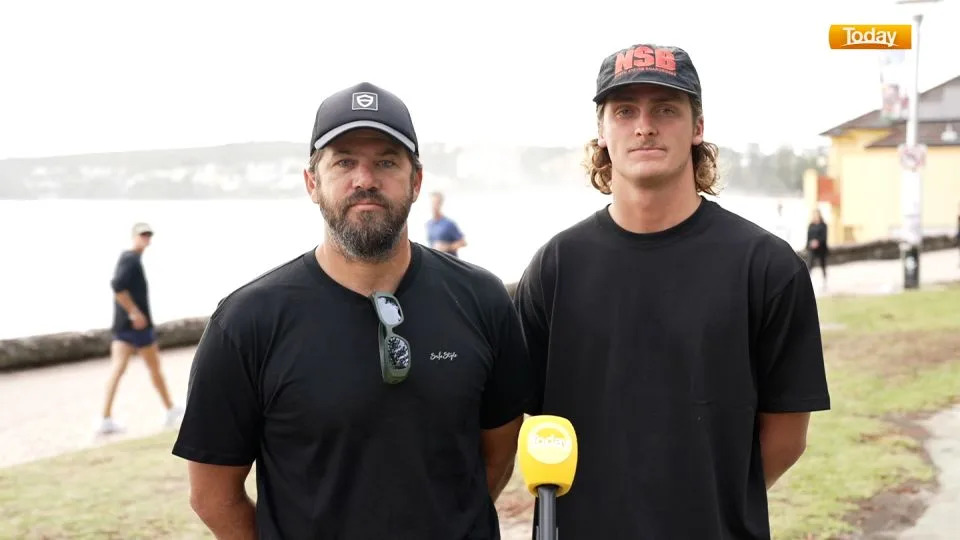
Max White and Dayan Neave were at North Steyne Beach on Monday, when a 25-year-old surfer sustained serious leg injuries from a shark attack. - Nine News
"We do get a lot of shark sightings, or people being bumped by sharks, but to have four incidents where all the victims have actually been attacked by sharks is really uncommon,"
Steve Pearce, CEO of NSW Surf Life Saving
Response And Public Safety Measures
Councils and volunteer lifesavers have closed about 40 beaches and redeployed personnel along the coastline. Drones, a rescue helicopter, jet skis and patrol teams are scanning the water and checking water quality. Officials warn closures will remain until visibility improves and sharks move away — a process that can take up to a week after heavy rain, according to marine ecologists.
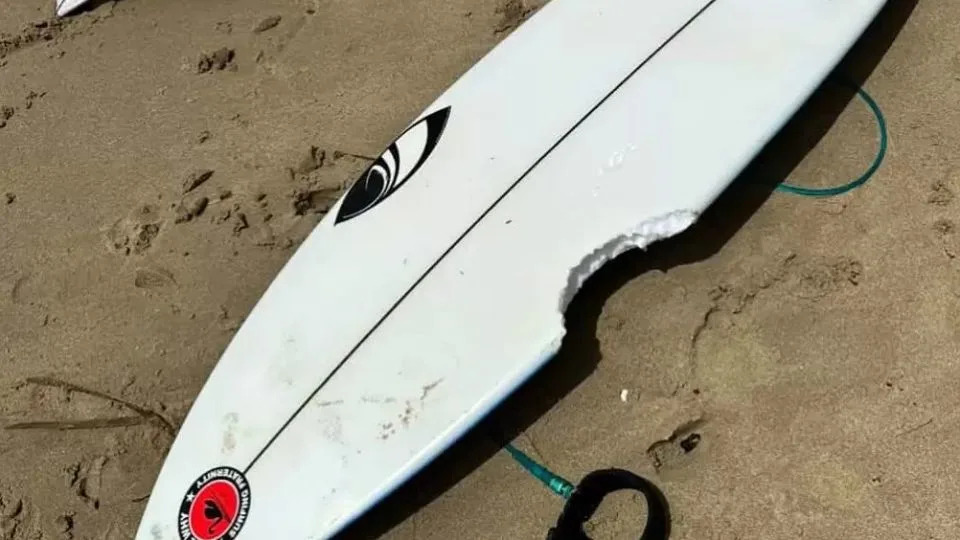
The surfboard belonging to the unharmed 11-year-old at Dee Why Point. - Manly Observer
"In the conditions where bull sharks do encounter people, it’s in those really brackish, murky waters, so they’re not relying on their eyesight. Like most shark species, the way that they can really sense their surroundings is by biting things,"
Vincent Raoult, Senior Lecturer in Marine Ecology, Griffith University
Community Reaction
Despite warnings and closures, some beachgoers continued to surf at open beaches such as Bondi. Volunteers and members of the public have helped rescue and render aid in several incidents; tourniquets were applied to victims’ legs by first responders and bystanders following the Vaucluse and Manly attacks.
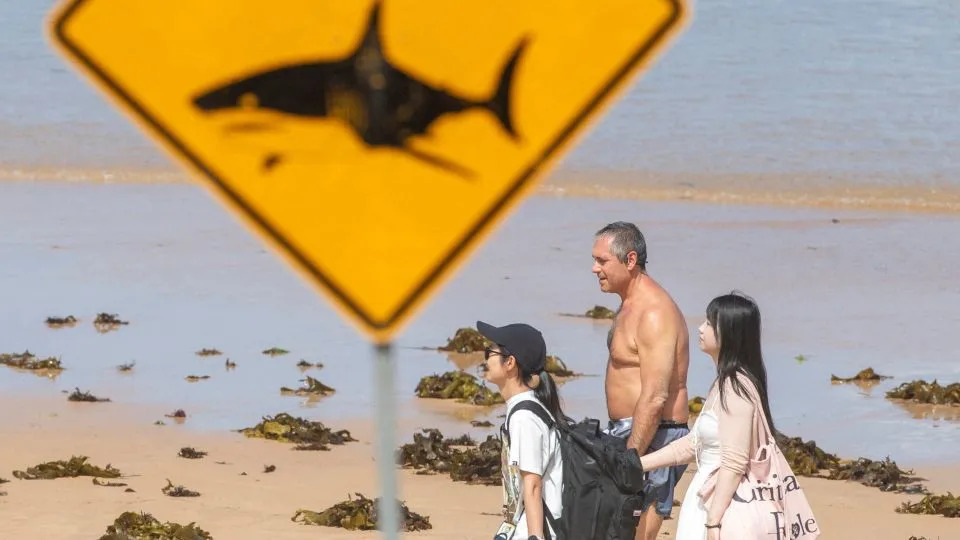
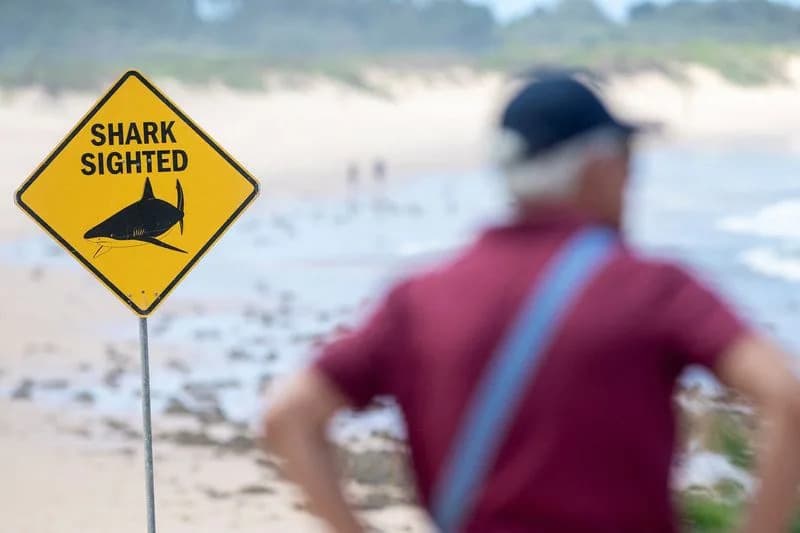
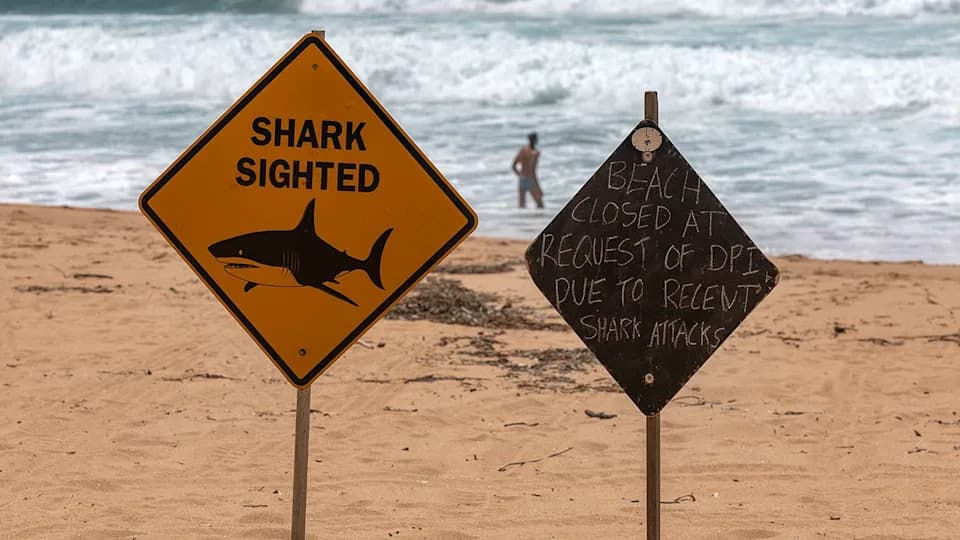
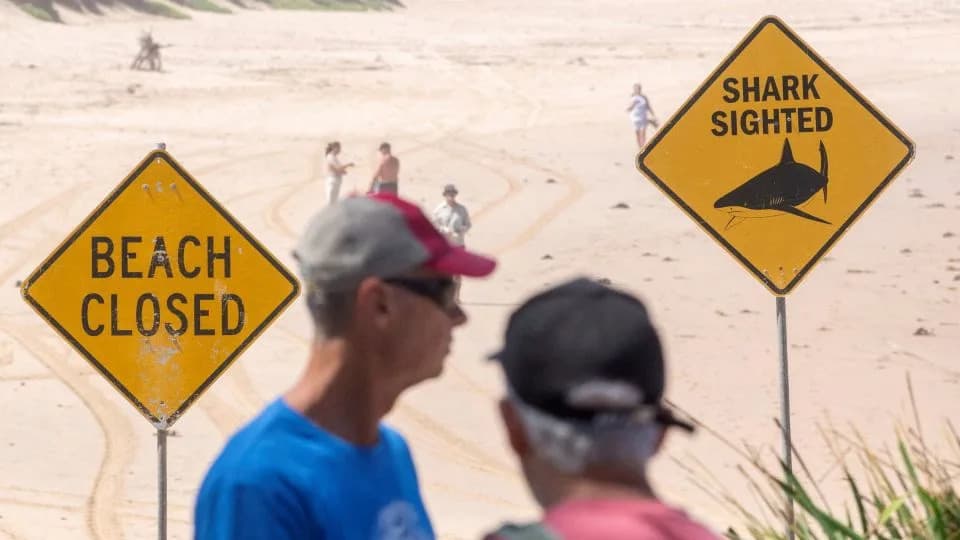
Beachgoers at Queenscliff Beach walk past a shark‑sighting sign in Sydney, Australia, on January 20, 2026. - Jeremy Piper/Reuters
Officials Call For Better Warnings
NSW Premier Chris Minns said communication and warning systems should be strengthened during stormy weather when sharks are more likely to move into lower estuaries and coastal waters. Authorities have urged the public to respect closures, especially ahead of the Australia Day holiday when hot weather is expected and beaches traditionally draw large crowds.
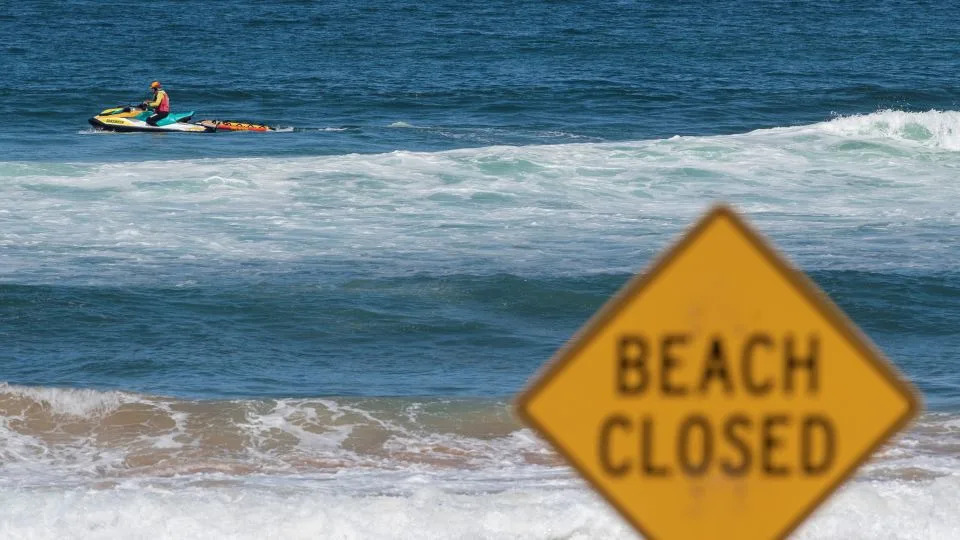
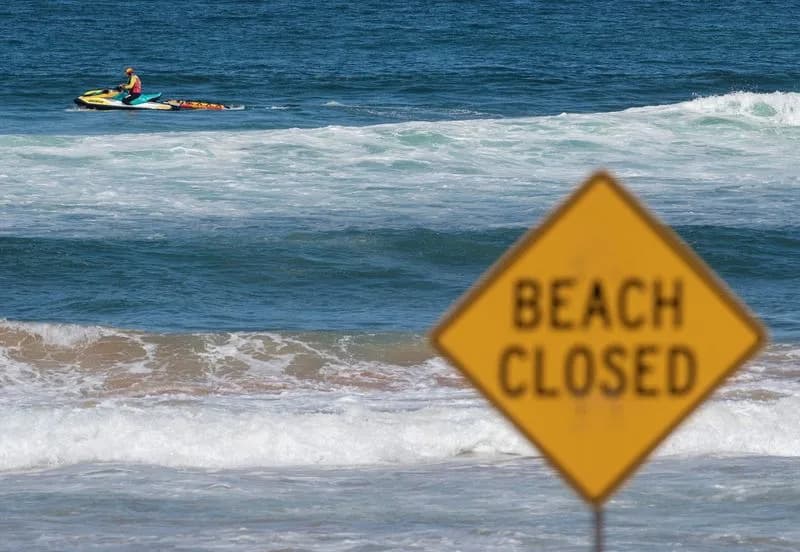
A lifeguard patrols North Steyne beach as beaches are closed after recent shark attacks, in Sydney, Australia, on January 20, 2026. - Jeremy Piper/Reuters
Authorities: Remain out of closed waters, follow local signage, and heed advice from surf lifesaving crews while conditions are assessed.
This story has been updated. CNN’s Angus Watson contributed reporting.
Help us improve.