Austin Smith, a former Arizona lawmaker and ex‑staffer at Turning Point Action, pleaded guilty in November to attempted fraudulent schemes and illegal petition signing. He was sentenced to probation, fined and banned from running for public office for five years. The conviction is significant because Turning Point Action has promoted false claims of election rigging, and Smith’s case undercuts narratives that election fraud is mainly committed by racialized or immigrant "others." The case highlights the need for consistent accountability across the political spectrum.
Former Turning Point Official Who Challenged Ballot Integrity Sentenced After Plea In Election-Fraud Case

Austin Smith, a former Arizona state representative and one-time staffer at Turning Point Action, pleaded guilty in November to attempted fraudulent schemes and illegally signing election petitions. On Tuesday, a judge sentenced him to probation, ordered him to pay a fine and barred him from running for public office for five years.
Smith served in the Arizona House while working for the nonprofit arm of Turning Point USA, Turning Point Action. His conviction is notable because Turning Point Action has been a prominent promoter of false claims that Democrats rigged elections; Smith’s guilty plea undercuts the narrative that election fraud is chiefly committed by racialized or immigrant "others."
Turning Point Action said Smith resigned more than a year ago. Still, the case serves as a reminder that allegations of ballot misconduct can originate from any political direction and that accountability applies regardless of affiliation.
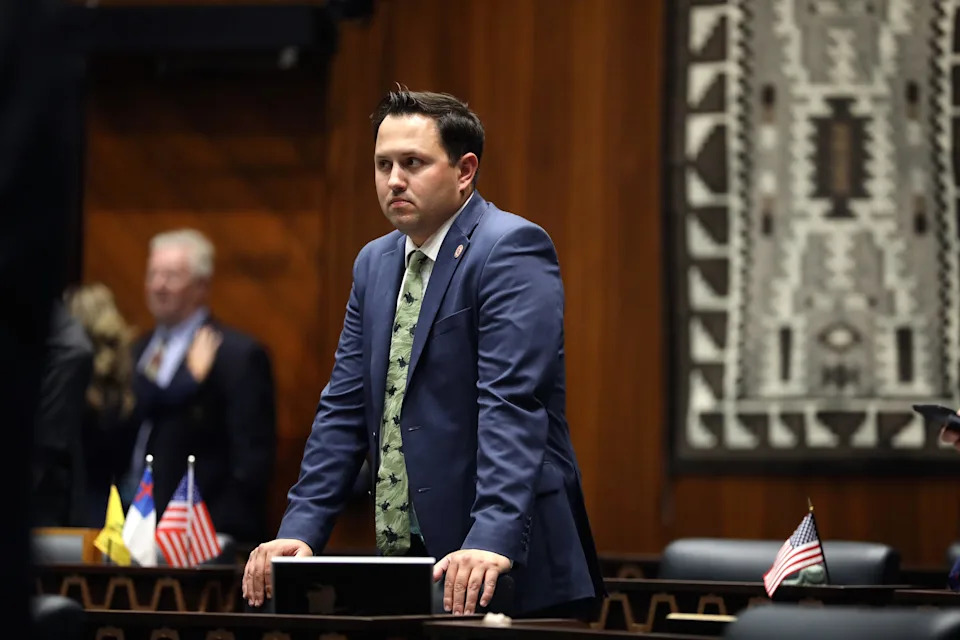
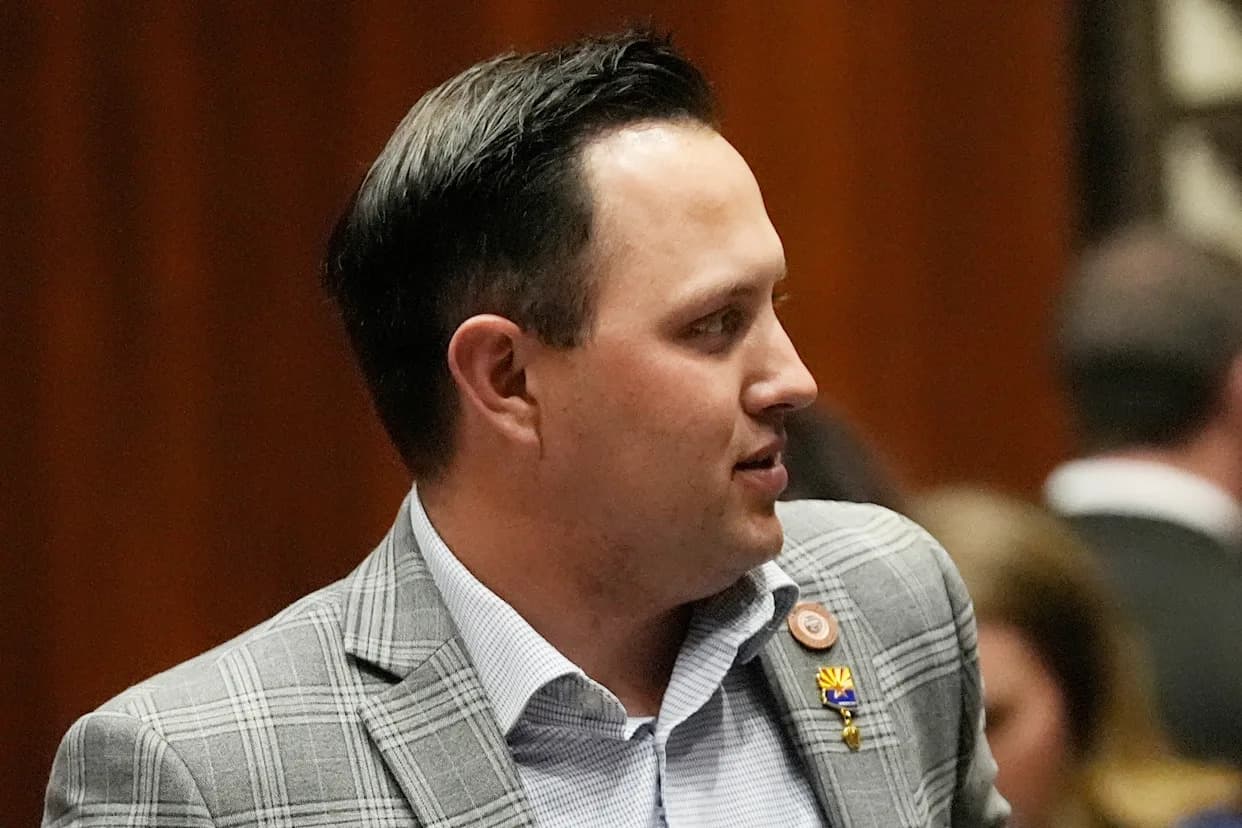
Former Rep. Austin Smith speaks on the floor of the Arizona House of Representatives at the Arizona State Capitol in Phoenix in 2023.(Gage Skidmore / Flickr/CC BY-SA 2.0)
Why This Matters
Political context: As former President Donald Trump and allies continue to level accusations of liberal election cheating, Smith’s conviction offers a concrete example that election-related wrongdoing can come from the political right as well as the left.
Accountability: The sentence—probation, a fine and a five-year bar from office—signals legal consequences for those convicted of election-related crimes, even when they are politically connected.
Bottom line: The case underlines the importance of impartial investigations and prosecutions to preserve public confidence in the electoral process.
Help us improve.