The president is reportedly taking 325 mg of aspirin daily—four times the usual preventive dose of 81 mg. Higher doses increase bleeding risk without added cardiovascular benefit for most people of his age. The article warns that the president’s dismissal of medical advice echoes broader threats to evidence-based public health, including changes to advisory panels and weakened federal public-health capacity amid a growing measles outbreak.
Why Taking 325 mg of Aspirin Daily Matters — And What It Says About Disregarding Medical Advice

Trump quadrupling up on aspirin is a metaphor for his presidency
I didn’t expect much from 2026, but early in January I felt compelled to say plainly: you should not take four times the recommended preventive dose of a medication without a clear medical reason.
In a Wall Street Journal interview published Jan. 1, President Donald Trump’s physician confirmed the president is taking a full aspirin tablet—325 mg daily—for what was described as “cardiac prevention.” Mr. Trump told the paper, “They say aspirin is good for thinning out the blood, and I don’t want thick blood pouring through my heart. I want nice, thin blood pouring through my heart. Does that make sense?”
“I don’t want thick blood pouring through my heart. I want nice, thin blood pouring through my heart.”
— President Donald Trump
What aspirin actually does: Aspirin is not a literal blood thinner. It inhibits platelets so that clots are less likely to form and block blood vessels. A low-dose aspirin—typically 81 mg daily—is recommended in specific circumstances to prevent a first heart attack or stroke for some people. But the benefits and risks depend on age, cardiovascular risk and other factors.
Why 325 mg vs. 81 mg matters
Mr. Trump is reportedly taking 325 mg daily—four times the common preventive dose. Clinical guidelines from major bodies such as the U.S. Preventive Services Task Force (USPSTF) and the American College of Cardiology/American Heart Association (ACC/AHA) generally do not recommend routine aspirin for most people of the president’s age because the risk of major bleeding (for example, gastrointestinal bleeding) often outweighs the potential cardiovascular benefit.
There are individual situations in which an 81 mg daily aspirin may be appropriate for an older adult—particularly when a patient has high cardiovascular risk. Mr. Trump’s 2018 medical disclosure included high cholesterol and an elevated coronary artery calcium score, which can indicate atherosclerosis. That history could justify a discussion about aspirin with a clinician; however, the jump from 81 mg to 325 mg increases bleeding risk without clear additional heart-protection benefits.
Clinical perspective: The 81 mg versus 325 mg distinction is meaningful. In our trauma center, for example, patients with an intracranial hemorrhage after a fall who are on low-dose aspirin can often be observed briefly and discharged safely. Patients on a full 325 mg dose generally require neurosurgical evaluation and intensive care because of higher risks for poor outcomes.
Beyond one pill: the message of defying expertise
Everyone should make medical decisions in consultation with their doctors and after weighing risks and benefits. But Mr. Trump’s public dismissal of professional advice—even from clinicians he selected—sends a broader message: that expertise, evidence and established processes can be disregarded.
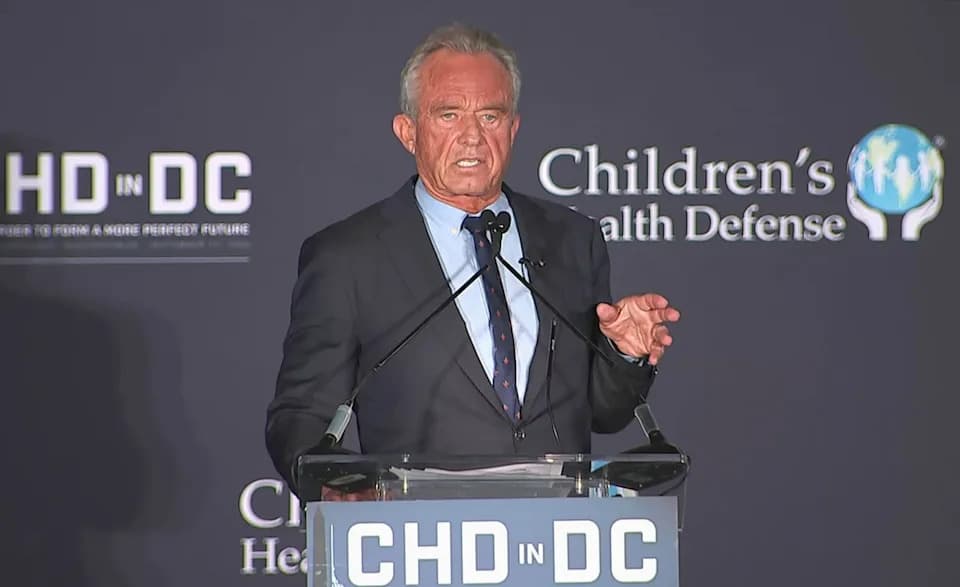
That stance matters beyond a single medication. The USPSTF produces evidence-based preventive recommendations that influence clinical practice and insurance coverage for millions of Americans. Its integrity has come under strain from proposals to reduce the scientific rigor that supports its work and from political interest in reshaping expert advisory panels. Health and Human Services Secretary Robert F. Kennedy Jr. has signaled interest in replacing experts on such panels; critics point to recent upheaval at the Advisory Committee on Immunization Practices (ACIP) as an example of how changes can disrupt trusted public-health advice.
Federal public-health capacity has also been weakened in recent years, with important programs scaled back and some CDC functions diminished. As a result, states and private organizations have sometimes stepped in to preserve evidence-based guidance—particularly around childhood immunizations. Those shifts, combined with anti-expert rhetoric, risk eroding public trust and the nation’s readiness for outbreaks and health emergencies.
We are in the midst of the largest measles outbreak in 30 years; South Carolina has reported clusters of cases this season, and public-health leaders warn that declining vaccination coverage and misinformation are driving outbreaks. Meanwhile, some influential figures continue to promote alternatives to vaccines rather than evidence-based prevention.
Bottom line: Taking a higher-than-recommended aspirin dose can increase the risk of harm without added benefit. More broadly, when leaders publicly dismiss medical expertise and weaken institutions that produce and protect evidence-based guidance, the consequences reach far beyond an individual prescription—affecting the health and safety of the whole community.
Originally published on MS NOW.
Help us improve.