The Trump administration notified the "Gang of Eight" only after an operation targeting Venezuelan President Nicolás Maduro was already underway, officials said. Administration officials argued advance notice would have endangered a weather-dependent, trigger-based mission. Sen. Tom Cotton defended the delay, citing operational security and leak risk, while Sen. Mark Warner said Congress should have authority to approve such use of force and warned of dangerous international precedents. Sen. Marco Rubio and President Trump said lawmakers were briefed "immediately after."
Trump Administration Notified 'Gang of Eight' Only After Venezuela Operation Began, Sparking Congressional Clash
Trump administration informed Gang of Eight of Venezuela operation after it started
The Trump administration informed the so-called "Gang of Eight"—the senior Republican and Democratic leaders of both chambers of Congress and the chairmen and ranking members of the Senate and House Intelligence Committees—about an operation targeting Venezuelan President Nicolás Maduro only after it was already underway, according to a source familiar with the matter.
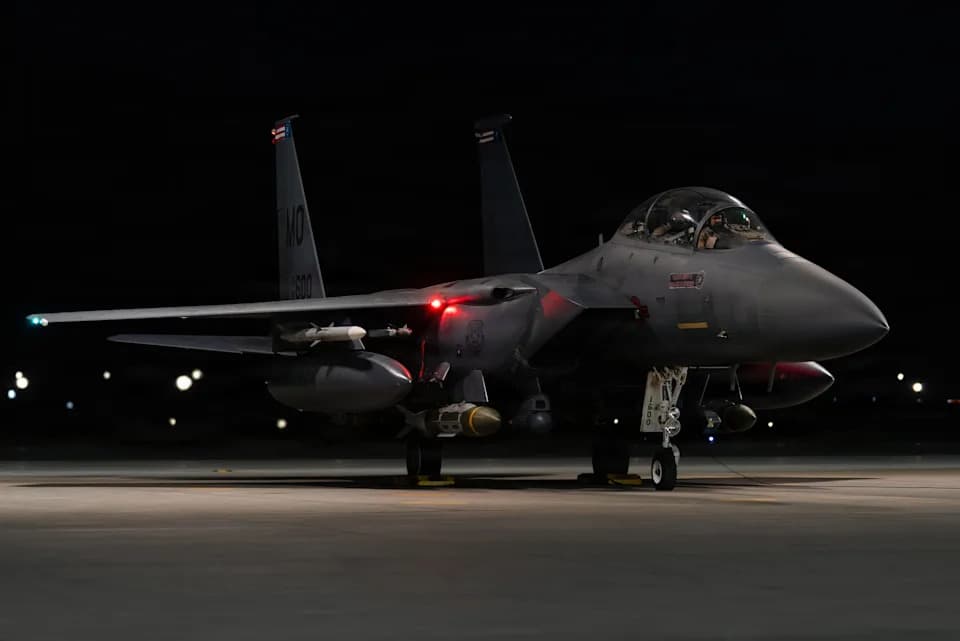
Officials said advance notification was withheld to preserve the element of surprise while U.S. aircraft and special operators were en route to Caracas. The operation, they added, was "trigger-based" and weather-dependent, delaying precise timing and complicating any effort at prior congressional notification.
Capitol Hill Reactions
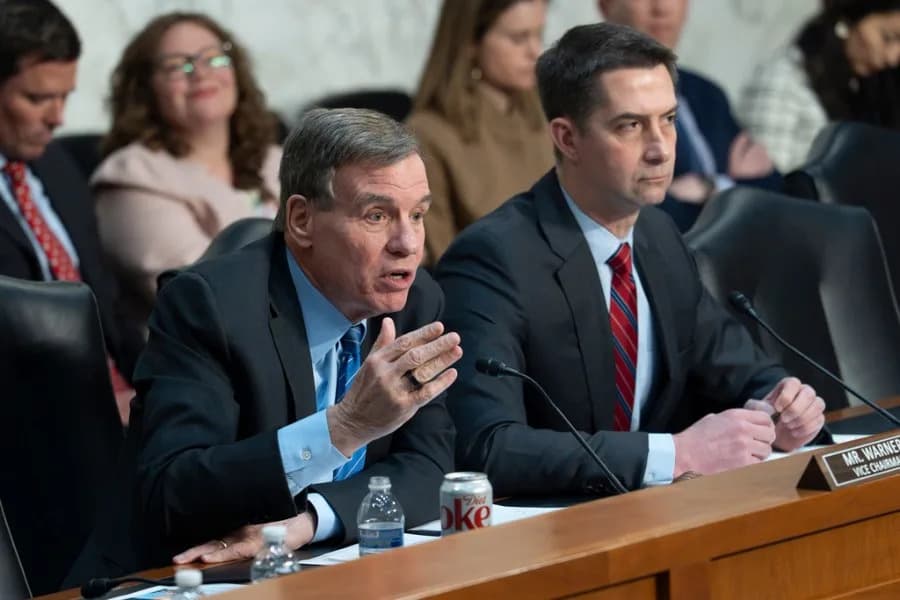
Sen. Tom Cotton (R-Ark.), chairman of the Senate Intelligence Committee, defended the decision not to notify Congress sooner. Cotton said withholding notice helped prevent leaks and compared the action to routine law-enforcement arrests, which are not pre-notified to lawmakers.
"That’s probably one reason it didn’t leak over these four days as they were waiting for the right weather," Cotton told Fox News. "Congress isn’t notified when the FBI is going to arrest a drug trafficker or cyber criminal here in the United States, nor should Congress be notified when the executive branch is executing arrests on indicted persons."
Sen. Mark Warner (D-Va.), vice chairman of the Senate Intelligence Committee, sharply disagreed, saying Congress should have primary authority to approve use of military force and warning of broader geopolitical risks. Warner argued that authorizing regime-change operations unilaterally could create dangerous precedents for other powers.
"Our Constitution places the gravest decisions about the use of military force in the hands of Congress for a reason," Warner said. "Using military force to enact regime change demands the closest scrutiny, precisely because the consequences do not end with the initial strike. If the United States asserts the right to use military force to invade and capture foreign leaders it accuses of criminal conduct, what prevents China from claiming the same authority over Taiwan’s leadership? What stops Vladimir Putin from asserting similar justification to abduct Ukraine’s president?"
Sen. Marco Rubio (R-Fla.) said key lawmakers were notified "immediately after" the mission and argued that prior notice would have jeopardized personnel and the operation. Rubio emphasized that commanders lacked a firm timetable because the mission depended on weather and other triggers.
"We called members of Congress immediately after. This was not the kind of mission that you can do congressional notification on," Rubio told reporters at a briefing with President Trump in Florida. "It was a trigger-based mission in which conditions had to be met. Night after night we watched and monitored that for a number of days. So it’s just simply not the kind of mission you can call people and say, 'Hey, we may do this at some point in the next 15 days.' At its core, this was an arrest of two indicted fugitives of American justice. It’s just not the kind of mission that you can pre-notify because it endangers the mission."
President Trump echoed concerns about leaks from Congress, telling reporters that disclosing sensitive operational details to lawmakers before the mission could have compromised it. "Congress has a tendency to leak. This would not be good," the president said.
The dispute highlights a broader tension between executive-branch operational security and Congress’s constitutional role over declarations of war and use of force. Lawmakers on both sides voiced sharply different views about where the line should be drawn for notifying Congress about risky overseas operations.
Updated at 12:50 p.m. EST.
Copyright 2026 Nexstar Media, Inc. All rights reserved. This material may not be published, broadcast, rewritten, or redistributed.
Help us improve.