Short Summary: The ADL has concentrated intense scrutiny on Zohran Mamdani, New York City’s incoming first Muslim mayor, while giving comparatively little attention to prominent national figures and media personalities who have amplified overt antisemitic rhetoric. Mamdani has engaged with diverse Jewish communities and responded to staff controversies, but critics press him for positions on Palestinian activism and equality. The piece argues that labeling demands for Palestinian equality as antisemitic can serve to defend Israel’s Jewish‑majority character, and calls for watchdogs to prioritize the most consequential political sources of antisemitism.
Why the ADL’s Focus on Zohran Mamdani Distracts From a Larger, More Dangerous Threat

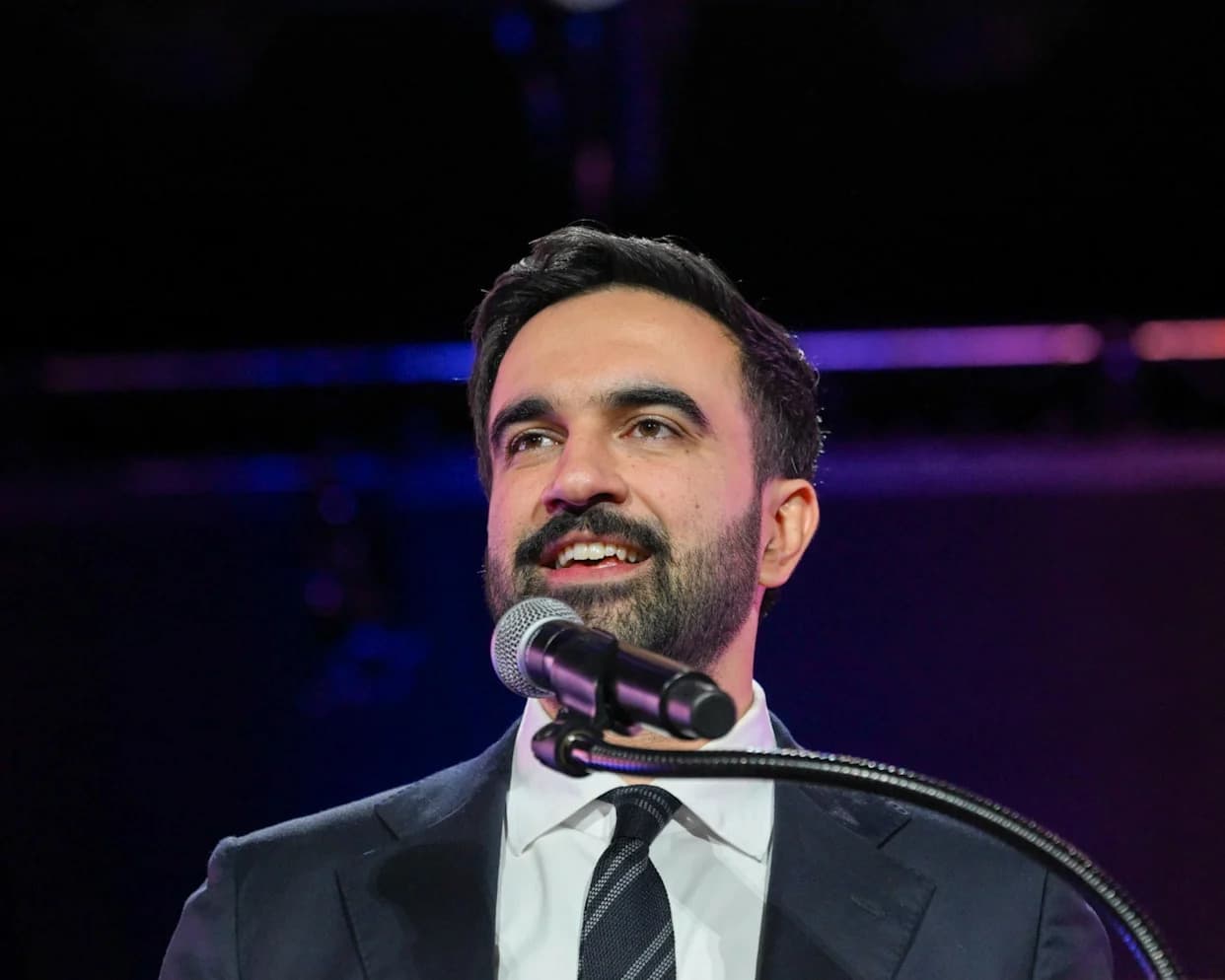
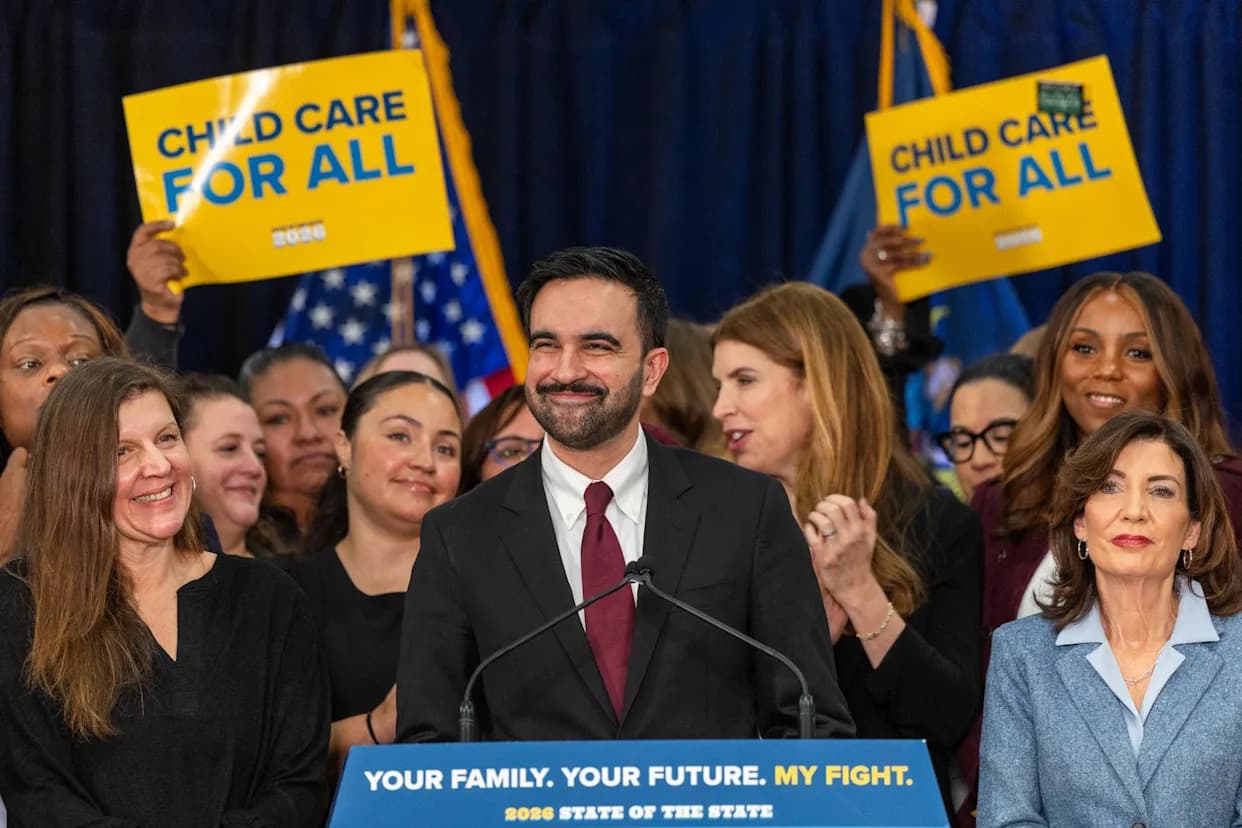
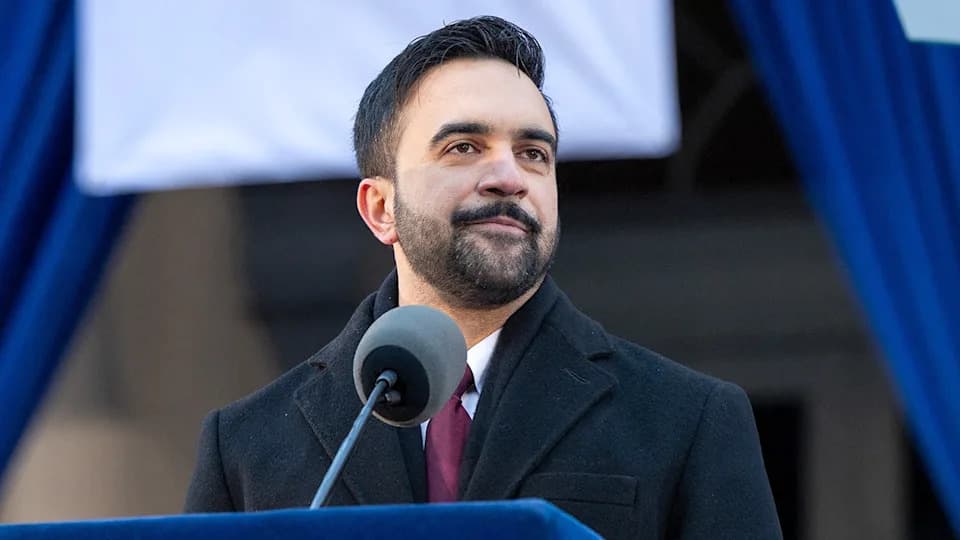
On January 1, Zohran Mamdani will be sworn in as New York City’s first Muslim mayor, with Senator Bernie Sanders administering the oath. In the weeks since his victory, Mamdani has met with a broad cross-section of New York’s Jewish community to address concerns about his commitment to their security and wellbeing. Reports indicate these meetings—from exchanges with Reform Rabbi Amiel Hirsch, who helped write a widely shared letter opposing Mamdani, to conversations with Satmar Hasidim in Brooklyn—have generally produced cautious optimism and, in some cases, outright enthusiasm.
Powerful Voices Amplifying Antisemitism
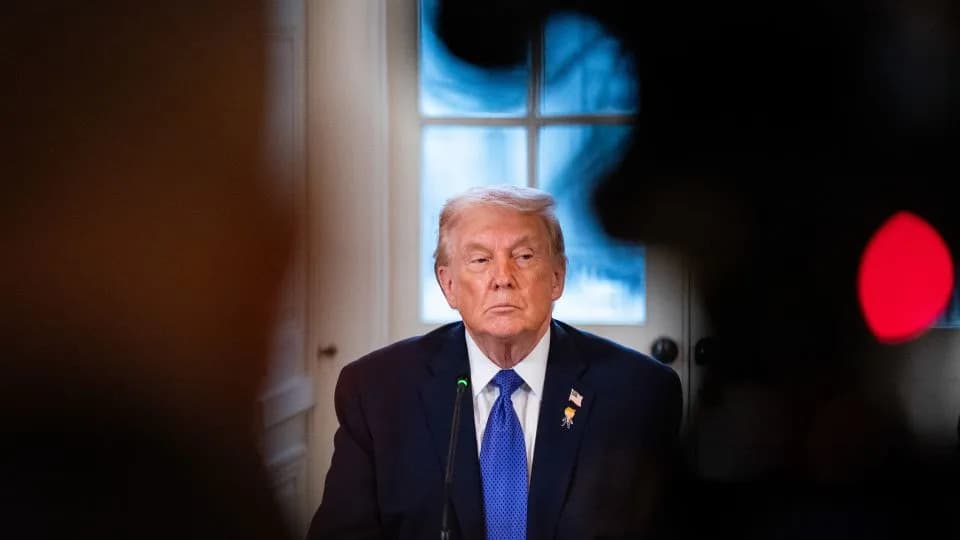
At the same time, prominent figures on the political right and influential media personalities have amplified overtly antisemitic rhetoric. For example, Representative Paul Gosar—who has ties to extremist, Holocaust‑denying circles—attended a White House Hanukkah reception where the President referenced the power of a “Jewish lobby” and praised Jewish donors. Shortly afterward, Turning Point USA’s Americafest featured speakers defending the presence of open Nazis in the Republican movement. At that event, Tucker Carlson promoted conspiracy‑style claims about a cabal undermining American interests, Steve Bannon likened Ben Shapiro to "a cancer," and JD Vance defended welcoming extremist figures while concluding, “By the grace of God, we always will be a Christian nation.” On Christmas Day, several senior officials framed national greetings in explicitly Christian terms.
The ADL’s Disproportionate Scrutiny
So what has the Anti‑Defamation League—the self‑described chief monitor of antisemitism in the U.S.—said about this political environment? Remarkably little, in comparison. Instead, the ADL has devoted disproportionate attention to Mamdani, even creating a dedicated “Mamdani Watch” page. That page spotlighted possible problematic ties among some members of his staff; after those aides were removed, the ADL’s monitoring team noted that Mamdani’s office can and will act when overt antisemitic statements arise.
ADL Monitoring Team: “When clear antisemitic statements are identified, Mayor‑elect Mamdani’s team can and will respond appropriately.”
By contrast, many high‑profile national figures who have publicly trafficked in explicit antisemitism, Christian nationalism, and Nazism‑adjacent rhetoric have not attracted the same consistent scrutiny from the ADL. That discrepancy demands explanation.
What’s Really at Stake?
The article argues that much of the criticism directed at Mamdani is less about combating antisemitism than about preserving Israel’s status as a Jewish‑majority state. Mamdani has resisted condemning the phrase “globalize the intifada” outright—saying he dislikes it but will not denounce it—but the deeper dispute centers on his stance that Israel should be a democratic state that does not privilege Jews over Palestinians.
Palestinians who hold Israeli citizenship face structural discrimination under Israeli law and policy. The 2018 Nation‑State Law is one prominent example of that unequal framework, and much broader policies and practices maintain a demographic and political order in which roughly half of the people living under Israeli control are Palestinian, yet only a fraction are citizens with full rights. Critics who prioritize Israel’s Jewish‑majority character argue that granting full equality to Palestinians living under Israeli control would fundamentally transform the state into a binational democracy.
Labeling a demand for equality as "antisemitic" effectively equates seeking equal rights for Palestinians with seeking the "destruction" of Israel as a Jewish state. That framing treats immediate equality as unacceptable while holding open the possibility of a delayed, partial Palestinian polity that preserves Israeli dominance. The article asks whether demanding equality is itself a form of antisemitism—or whether that accusation is being used to defend an unequal order.
A Thought Experiment
To test the logic, imagine the roles reversed: if a Palestinian‑led majority expelled millions of Jews, established a state that disenfranchised many Jews and subjected them to military rule, and defended that program as necessary for Palestinian self‑determination—would calls for Jewish equality in that scenario be labeled "anti‑Palestinian bigotry"? The piece argues that if we would reject that label in a reversal, we should be wary of applying it to those who call for Palestinian equality now.
Why Priorities Matter
American Jews face a real and growing threat of antisemitism from multiple sources, including violent extremists inspired by terrorist groups. But when watchdog organizations concentrate intense scrutiny on a municipal leader who has pledged equality while giving relatively little attention to national leaders normalizing antisemitic and Christian‑nationalist rhetoric, they risk misidentifying the most potent political threats to Jewish safety and civil equality in the United States.
It is one thing for civil‑rights organizations to track problematic rhetoric across the political spectrum. It is another to skew priorities in ways that appear to protect geopolitical arrangements—such as the preservation of Israel’s Jewish‑majority character—over consistent, principled defense against antisemitism everywhere it appears.
Conclusion
Given the balance of political power and the public record of high‑profile figures amplifying antisemitic themes, watchdogs should reassess where they place sustained scrutiny. Focusing on the most influential actors who legitimize and platform antisemitic rhetoric would better serve the safety and equality of Jews and other vulnerable communities across America.
Help us improve.