
Beginning the week of Jan. 7, the Education Department will notify about 1,000 defaulted borrowers that it plans to begin withholding a portion of their wages to repay past-due federal student loans, with notices expanding monthly. The move resumes wage garnishments for the first time since pandemic relief and follows the effective end of the Biden-era SAVE repayment plan. Experts warn the policy could deepen financial pressure on lower-income families already struggling with rising costs.
Trump Education Department To Begin Wage Garnishments For Defaulted Student Borrowers — Notices Start Week Of Jan. 7

President Biden made student debt relief a central priority of his administration, but legal and political obstacles limited how far those efforts could go. During the 2024 campaign, former President Donald Trump attacked the Biden administration’s record on student loans, and now the Department of Education under the Trump administration is moving forward with a controversial enforcement step.
What’s Happening
The Education Department confirmed to The Washington Post that beginning the week of Jan. 7 it will notify roughly 1,000 borrowers in default that it plans to withhold a portion of their wages to repay past-due federal student loans. The department says notices will be sent to increasing numbers of defaulted borrowers each month after the initial round.
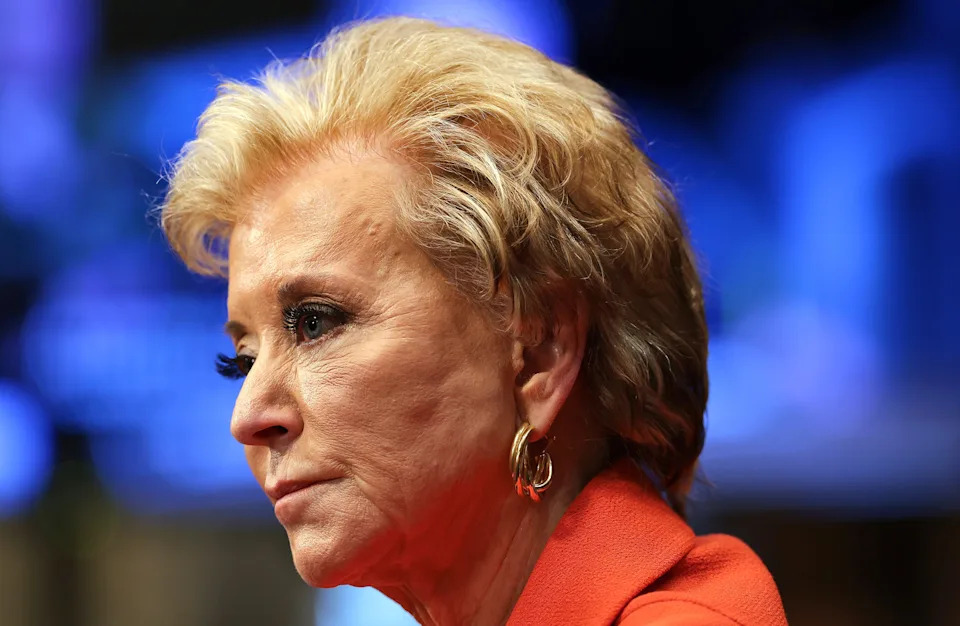
Linda McMahon on Feb. 13, 2025 in the Dirksen Senate Office Building in Washington, D.C.(Win McNamee / Getty Images)
“The Trump administration will begin seizing the pay of people in default on their student loans early next year, marking the first wave of new wage garnishments since the pandemic,”
Context and Timeline
The Education Department first signaled intentions to pursue wage garnishments in May. Implementation was paused during pandemic-era relief but is now being resumed under the current administration. The move comes just weeks after the department effectively dismantled the Biden-era Saving on a Valuable Education (SAVE) repayment plan, a policy intended to ease repayment burdens for many borrowers.
As The New York Times warned, “The announcement comes as many Americans are already struggling financially, and the cost of living is top of mind. The wage garnishing could compound the effects on lower-income families contending with a stressed economy, employment concerns and health care premiums that are set to rise for millions of people.”
Implications
Wage garnishments could increase financial strain for low- and middle-income borrowers who are already juggling living costs, health care, and employment uncertainty. For some younger voters who supported Republicans in 2024 after campaign messaging criticized Democratic action on student loans, this policy shift may produce immediate personal consequences.
This article updates earlier related coverage. Sources include The Washington Post and The New York Times. The post originally appeared on MS NOW.


