
The Times Square ball drop began on December 31, 1907, organized by Adolph Ochs and crafted originally by immigrant metalworker Jacob Starr. The current, ninth ball is the largest to date — 12.5 feet across and weighing 12,350 pounds — and is covered with more than 5,000 Waterford Crystal discs that create a self-contained light show. The event has only been interrupted for public celebrations during 1942–43; the ball also descended during the largely empty 2020 pandemic celebration. After welcoming 2026, the ball will descend again on the eve of July 4 to mark the nation's 250th anniversary.
Inside Times Square's Iconic Ball Drop: History, Craftsmanship, and the 2026 Moment

The New York Times' report of the revelry in Times Square as the city welcomed in 1908. / Credit: The New York Times
For millions of viewers around the world, the arrival of 2026 will be marked by the descent of a crystal-covered sphere — a modern iteration of a tradition that began in 1907. The Times Square ball drop is both a technical spectacle and an enduring symbol of reflection and renewal.
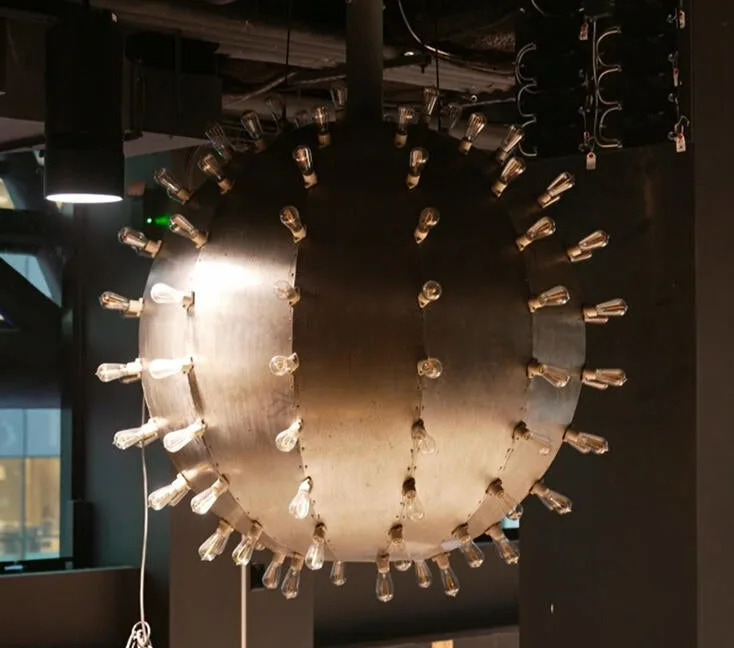
A replica of the original New Year's Eve Ball. / Credit: CBS News
From 1907 To Today: A Short History
The very first New York City ball drop was organized by The New York Times owner Adolph Ochs and took place on December 31, 1907. The original sphere was crafted by Jacob Starr, a metalworker who emigrated from what is now Ukraine. The ceremony has been held every year since, with two notable exceptions: in 1942 and 1943 crowds observed a minute of silence rather than a celebration because of World War II.
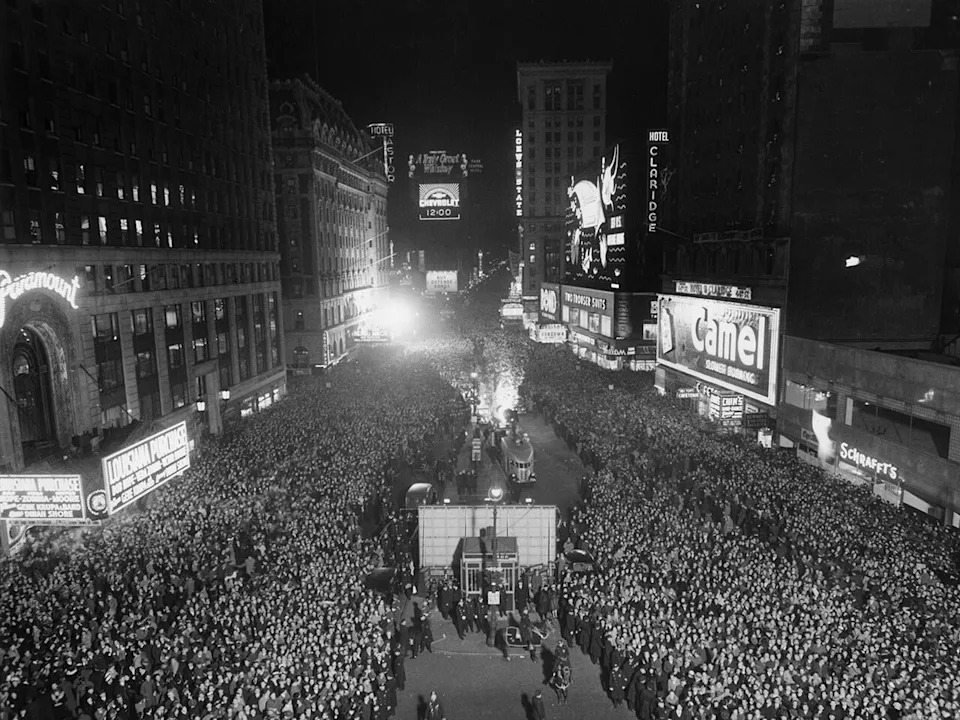
Crowds gathered in Times Square on Dec. 31, 1941, to welcome in the New Year. / Credit: Hulton Archive/Getty Images
The Ball Today: Size, Design, and Light
The current ball — the ninth since 1907 — is the largest in the event's history. It measures 12.5 feet in diameter and weighs 12,350 pounds. Its surface is clad in more than 5,000 handcrafted circular Waterford Crystal discs, arranged in multiple sizes and patterns. Michael Phillips, president of Jamestown (the company redeveloping One Times Square), described the design: "They're in three different sizes, three different puck sizes, and round versus triangular, which was the old geometric dome pattern."
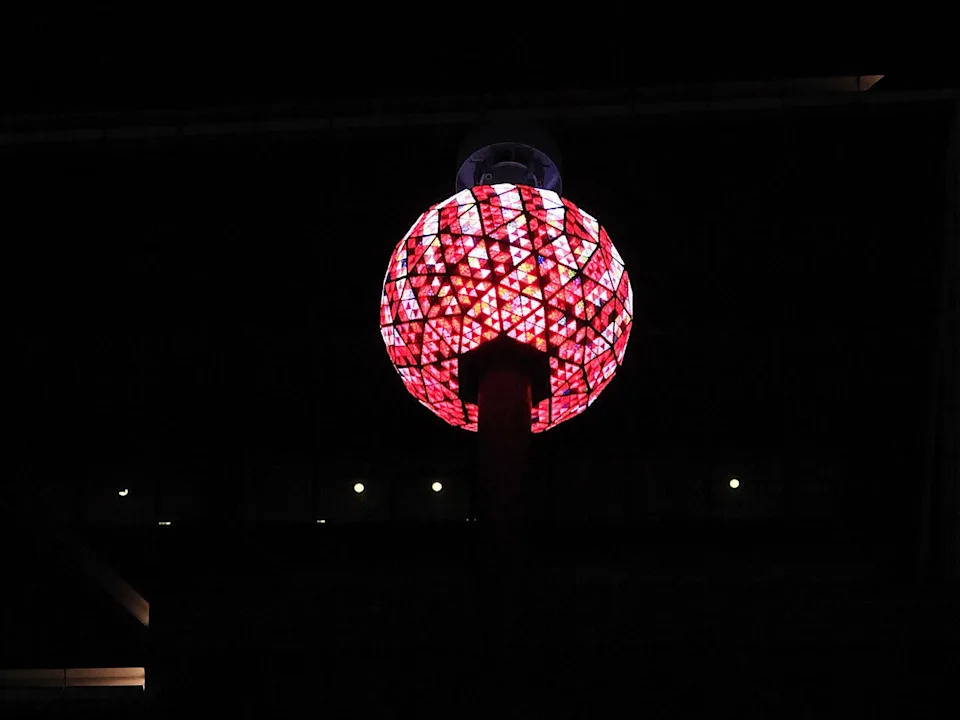
The Ball Drop is tested on Dec. 30, 2011, in anticipation of the festivities to herald the arrival of 2012. / Credit: John Lamparski/Getty Images
The ball is more than sculpture — it is a self-contained light show that uses thousands of LEDs and numerous special effects to create the visual centerpiece of the countdown.
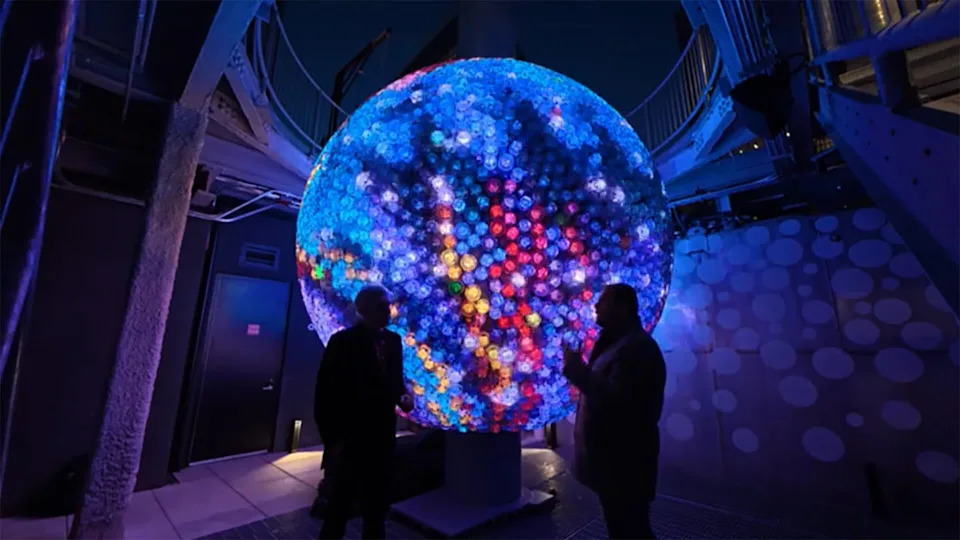
The New Year's Eve Ball Drop in Times Square will feature the largest ball ever, weighing 12,350 pounds, and made up from more than 5,000 handcrafted circular Waterford Crystal discs. / Credit: CBS News
Tradition and Symbolism
"It's something that symbolizes releasing what was, and looking forward at what's to come,"
— Michael Phillips, on why the ball drop resonates with so many people. Whether watched in person or on screens worldwide, the moment has become shorthand for letting go of the past year and welcoming the next.
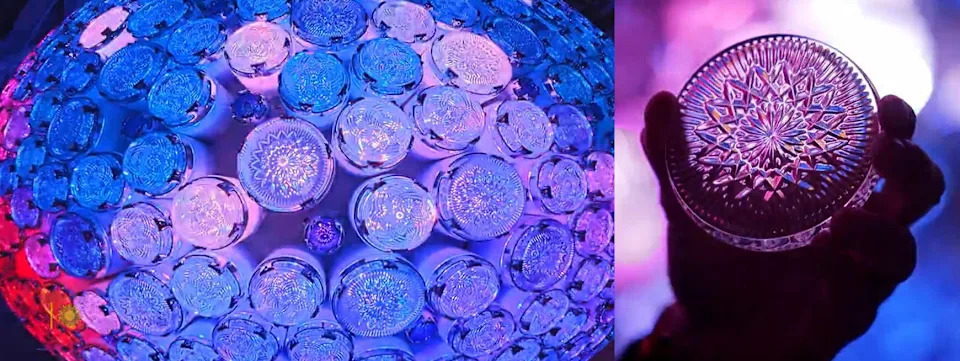
More than five thousand handcrafted Waterford Crystal discs cover the Constellation Ball, the ninth version of the ball dropped at Times Square on New Year's Eve. / Credit: CBS News
Recent Years And Upcoming Celebrations
Even during the COVID-19 pandemic, when Times Square was nearly empty, the ball still descended on New Year's Eve 2020 — a symbolic act for many who were watching from home. After it ushers in 2026, the ball is scheduled to descend again on the eve of July 4 (the night of July 3) as part of celebrations marking the 250th anniversary of the nation's founding.
Credits and Further Reading
Story produced by Jay Kernis. Editor: George Pozderec.
For more information visit: Times Square New Year's Eve (Official site), One Times Square, and Waterford: Times Square New Year's Eve Celebration.
See also: archival video packages and tributes surrounding the 2025 year in review and cultural coverage.


